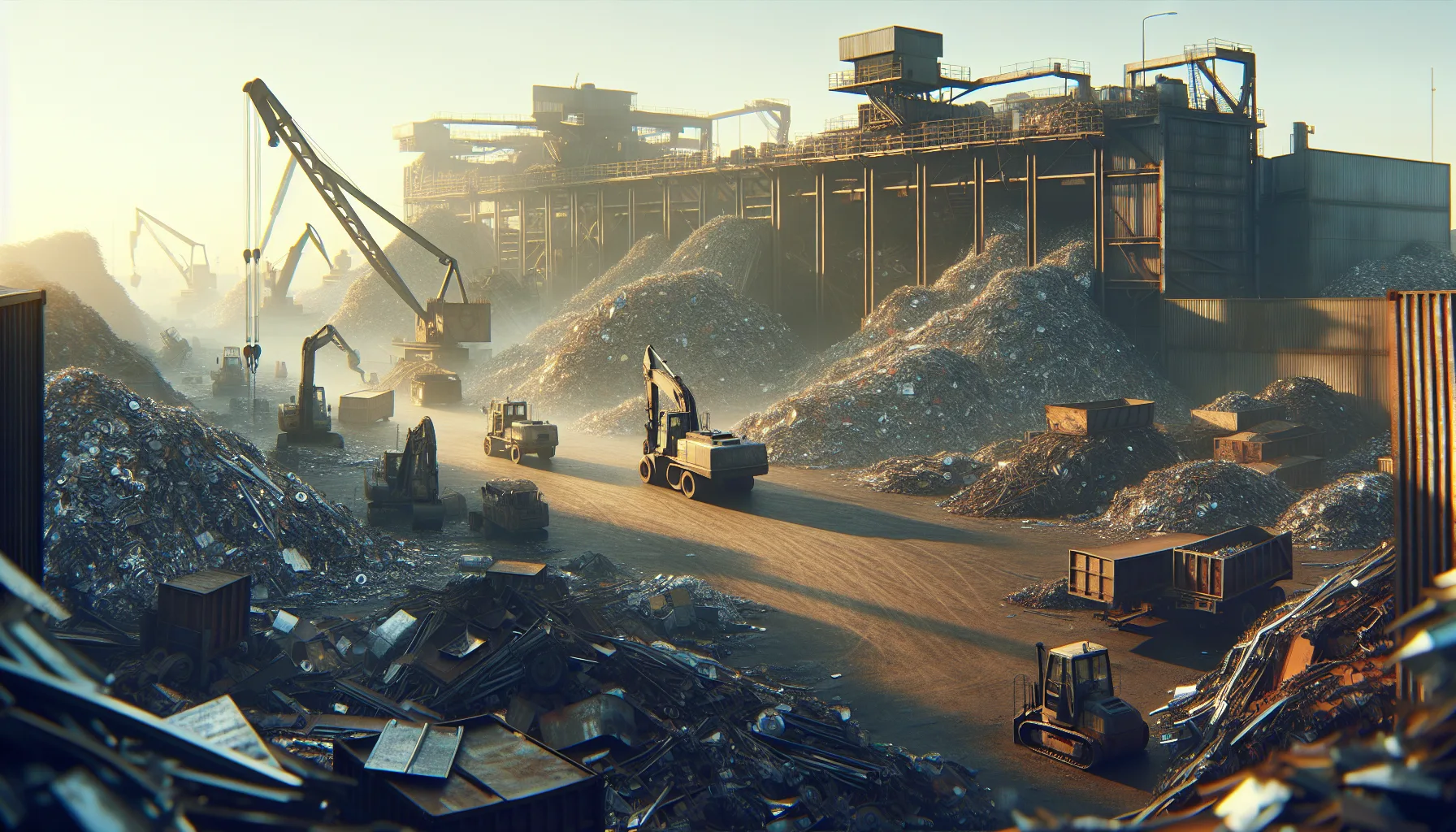
Understanding Ferrous vs Non-Ferrous Metals: Your Guide to Better Scrap Prices
When you're ready to sell scrap metal St. John's, knowing the difference between ferrous and non-ferrous metals can dramatically impact your profits. These two categories command vastly different prices in today's market, and understanding which metals fall into each group helps you maximize returns on every load.
Ferrous metals contain iron and are magnetic, while non-ferrous metals don't contain iron and won't stick to a magnet. This simple distinction affects everything from sorting strategies to pricing expectations. Non-ferrous metals typically fetch higher prices due to their resistance to corrosion and specialized applications in technology and manufacturing.
The Canadian scrap metal market in 2026 continues to show strong demand for both categories, but pricing varies significantly between them. Smart sellers in St. John's separate their materials before heading to recyclers, often doubling their payouts through proper categorization.
Ferrous Metals: The Magnetic Foundation of Scrap Recycling
Ferrous metals form the backbone of scrap metal recycling Canada operations. Steel represents the largest volume of recycled material globally, making up roughly 70% of all scrap processed. Cast iron, wrought iron, and carbon steel all fall into this category.
Common ferrous items include:
- Automotive parts (frames, engines, transmissions)
- Appliances (washers, dryers, refrigerators)
- Construction materials (rebar, structural steel, pipes)
- Tools and hardware
- Food cans and containers
The magnetic test provides instant identification. Hold a magnet near your material — if it sticks firmly, you're dealing with ferrous metal. Steel prices in Canada currently range from $200-$350 per ton, depending on grade and market conditions. Heavy melting steel commands premium prices compared to light iron or tin.
Ferrous metals oxidize easily, which explains the rust you see on old cars and equipment. This doesn't necessarily reduce value significantly, but clean, prepared ferrous materials always fetch better prices than dirty or contaminated loads.
Non-Ferrous Metals: The High-Value Opportunity
Non-ferrous metals deliver the real money in scrap recycling. These materials resist corrosion, conduct electricity efficiently, and play crucial roles in modern technology. Aluminum scrap price today reflects strong global demand from aerospace, automotive, and packaging industries.
Popular non-ferrous metals include:
- Aluminum (cans, siding, wheels, wire)
- Copper (wiring, plumbing, motors)
- Brass (fixtures, fittings, musical instruments)
- Zinc (galvanized coatings, die-cast parts)
- Lead (batteries, weights, radiation shielding)
- Stainless steel (kitchen appliances, medical equipment)
Copper consistently ranks as one of the most valuable common scrap metals. Learning how to sell scrap copper effectively starts with proper preparation. Strip insulation from wire, separate different copper grades, and remove any attachments like steel fittings or aluminum connections.
Aluminum prices fluctuate based on global commodity markets, but clean aluminum consistently outperforms ferrous materials by 300-500%. Aluminum cans, automotive wheels, and clean sheet aluminum all command different prices, making sorting crucial for maximum returns.
Market Pricing Patterns and Regional Factors
St. John's scrap metal markets reflect both local demand and global commodity trends. Newfoundland and Labrador's industrial activity, including offshore energy projects and marine industries, creates steady demand for recycled metals. This regional factor often supports pricing slightly above national averages.
Non-ferrous metals typically show more price volatility than ferrous materials. Copper prices can swing 15-20% within a month based on global economic conditions, while steel prices tend to move more gradually. Smart sellers monitor pricing trends and time their sales accordingly.
Transportation costs affect pricing in St. John's more than in central Canadian markets. Local recyclers factor shipping expenses to mainland processors, which can impact the prices they offer. However, find the best Canadian scrap metal prices today by comparing multiple buyers before committing to any single option.
Platforms like SMASH make it easy to connect with competitive buyers across the region, often revealing pricing opportunities that local-only searches miss. The difference between the highest and lowest offers frequently exceeds 20-30% for the same materials.
Preparation Strategies for Maximum Value
Proper preparation dramatically impacts your final payout regardless of metal type. Clean, sorted materials always command premium prices compared to mixed or contaminated loads. Remove non-metallic attachments like rubber, plastic, or wood whenever possible.
For ferrous metals, focus on removing obvious contaminants and separating different grades. Heavy steel brings better prices than light tin, and cast iron often commands premium rates. Automotive batteries contain both lead (non-ferrous) and steel (ferrous), making them worth separating if you have sufficient quantities.
Non-ferrous preparation requires more attention to detail. Strip copper wire completely clean for #1 copper pricing. Separate aluminum by grade — clean sheet aluminum brings significantly more than aluminum with steel attachments. Remove any ferrous components from mixed assemblies.
Understanding how to sell scrap copper effectively includes knowing the grade classifications. #1 copper (bright and clean) brings top dollar, while #2 copper (tarnished or with minor contamination) fetches 5-10% less. Mixed copper and copper-bearing materials command lower prices but still exceed ferrous metal values.
When you're ready to check current Canadian scrap metal prices, having properly prepared materials ensures you receive accurate quotes and maximum payouts. Recyclers appreciate clean, sorted loads and often reward preparation with better pricing.
Building Long-Term Scrap Metal Success
Successful scrap metal selling in St. John's requires understanding both material types and market dynamics. Track pricing trends for your most common materials, and read the latest Canadian scrap metal pricing guides to stay informed about market developments.
Develop relationships with multiple buyers to ensure competitive pricing options. What works best for ferrous materials might not be optimal for non-ferrous metals, and having multiple outlets provides flexibility as market conditions change.
Consider accumulating higher-value non-ferrous materials until you have sufficient quantities to justify dedicated trips. Copper, aluminum, and brass prices justify the extra storage time, while ferrous materials can be moved more frequently due to their bulk and steady pricing.
SMASH connects sellers with verified buyers across Canada, making it easier to find competitive pricing for both ferrous and non-ferrous materials. The platform's transparency helps ensure you're getting fair market value regardless of material type.
Whether you're dealing with ferrous steel from construction projects or non-ferrous copper from electrical work, understanding these fundamental differences helps maximize your returns. Find the best price for your scrap in Canada by leveraging both local knowledge and national market access.
Get the best Canadian scrap metal prices by understanding what you're selling and where to sell it — check rates at best-scrap-prices.ca for current market pricing and buyer connections.
Frequently Asked Questions
Q: How can I tell if my scrap metal is ferrous or non-ferrous?
Use a magnet for instant identification. Ferrous metals contain iron and will stick to a magnet, while non-ferrous metals won't be attracted to magnets. This simple test works for virtually all common scrap metals and helps determine pricing categories.
Q: Which type of scrap metal brings better prices in St. John's?
Non-ferrous metals typically command much higher prices than ferrous materials. Copper, aluminum, and brass often bring 3-5 times more per pound than steel or iron, making proper sorting crucial for maximizing returns on your scrap loads.
Q: Should I separate ferrous and non-ferrous metals before selling?
Absolutely. Mixing ferrous and non-ferrous metals typically results in everything being priced at the lower ferrous rate. Taking time to separate materials and remove attachments can easily double or triple your total payout.
Q: What's the most valuable non-ferrous metal for scrap sellers?
Copper consistently ranks among the highest-value common scrap metals, especially when properly prepared. Clean copper wire (#1 grade) brings premium prices, while copper pipe and fittings also command strong market rates across Newfoundland and Labrador.
Q: Do ferrous metals have any value for scrap sellers?
Yes, ferrous metals like steel and iron have significant value, especially in larger quantities. While prices per pound are lower than non-ferrous materials, the volume available often makes ferrous metals profitable, particularly for contractors and demolition work.
Stay connected with industry developments and market insights by following SMASH on LinkedIn at https://www.linkedin.com/company/scrap-metal-auction-sales-hub for regular updates on scrap metal pricing and recycling opportunities.