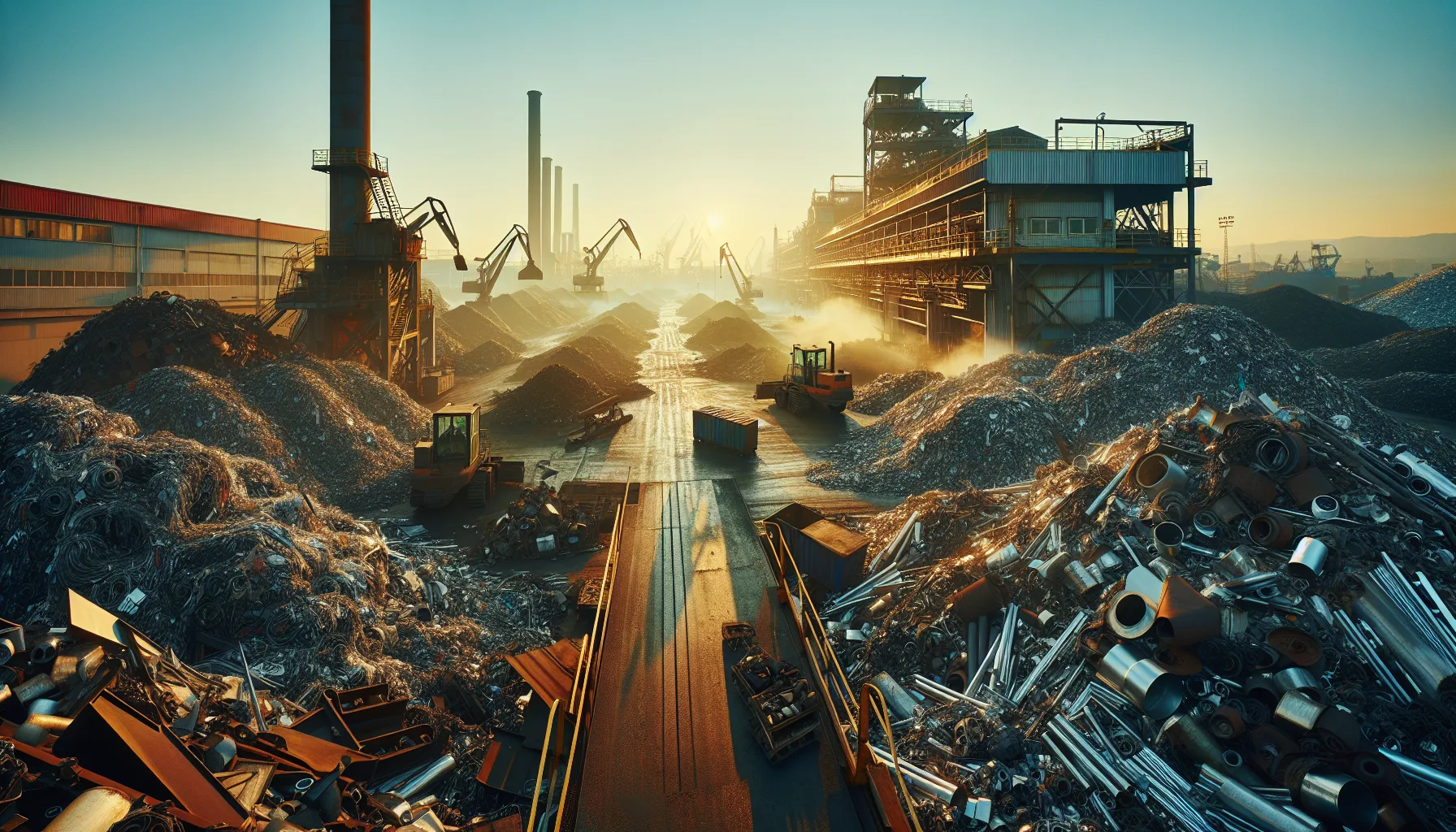
Environmental Regulations Drive Innovation in Canadian Scrap Metal Recycling
Environmental regulations for scrap metal recycling have reached new heights in 2026, fundamentally changing how Canadian sellers approach the market. These stringent rules aren't just bureaucratic hurdles — they're reshaping pricing structures and creating opportunities for sellers who understand the system. Modern scrap metal auction platforms now prioritize environmental compliance, making it easier for sellers in Fredericton and across New Brunswick to access premium rates while meeting regulatory standards.
The recycling industry processes over 15 million tonnes of scrap metal annually in Canada. Every tonne recycled prevents approximately 1.5 tonnes of CO2 emissions compared to virgin metal production. This environmental benefit drives government policy and creates market advantages for compliant sellers.
Understanding these regulations helps sellers maximize returns. Facilities that meet environmental standards often pay higher rates because they can guarantee legitimate processing. This is where platforms like the SMASH Recycling auction platform excel — connecting sellers with verified, environmentally compliant buyers across Canada.
New 2026 Environmental Standards Affecting Scrap Metal Pricing
Environment and Climate Change Canada implemented updated guidelines this year that directly impact scrap metal values. Facilities must now demonstrate enhanced air quality monitoring, water treatment capabilities, and waste stream documentation. These requirements increase operational costs but create pricing premiums for sellers who can provide properly sorted materials.
The new standards particularly affect catalytic converter processing. Precious metal recovery facilities must meet stricter emissions controls, driving up steel scrap price today and related materials. Sellers who sell catalytic converters online through compliant channels often see 15-20% higher returns than those using non-compliant buyers.
Documentation requirements have intensified. Scrap yards must maintain detailed records of material sources, processing methods, and environmental monitoring results. This paperwork burden benefits organized sellers who can provide clean documentation with their materials.
Provincial variations add complexity. New Brunswick follows federal guidelines but includes additional watershed protection measures given the province's extensive river systems. Fredericton-area sellers benefit from understanding these local requirements when choosing buyers.
How Environmental Compliance Impacts Your Scrap Metal Returns
Environmental compliance creates a two-tier pricing system in Canadian scrap markets. Compliant facilities pay premium rates because they can process materials without regulatory risk. Non-compliant operations offer lower prices but expose sellers to potential liability issues.
Material preparation becomes crucial under current regulations. Clean, properly sorted scrap commands higher prices because it reduces processing costs at compliant facilities. Contaminated materials require expensive pre-treatment, reducing buyer willingness to pay competitive rates.
Transportation regulations affect pricing structures. Licensed haulers must meet environmental standards for vehicle emissions and load securing. These costs get factored into pricing, making local sales more attractive for many Fredericton sellers.
SMASH scrap auction participants benefit from pre-verified buyer compliance. The platform screens facilities for environmental standards, ensuring sellers access legitimate markets without compliance research. This verification process protects sellers while maximizing returns through competitive bidding.
Record-keeping requirements create opportunities for organized sellers. Those who maintain detailed material logs often qualify for premium pricing because they reduce compliance paperwork for buyers. Simple documentation like material source and composition can increase offers by 5-10%.
Regional Compliance Differences Across Canadian Provinces
Provincial environmental regulations create pricing variations across Canadian scrap markets. British Columbia maintains the strictest air quality standards, affecting facility operations and pricing. Ontario focuses on water protection, particularly around the Great Lakes region.
New Brunswick emphasizes forest and watershed protection. The province's regulations consider impacts on salmon streams and old-growth forest areas. These requirements affect facility locations and operational costs, influencing regional pricing patterns.
Western provinces like Alberta prioritize soil contamination prevention due to extensive agricultural areas. Manitoba and Saskatchewan focus on groundwater protection. These regional differences create arbitrage opportunities for sellers willing to transport materials to compliant facilities in other provinces.
Quebec maintains unique French-language documentation requirements alongside federal standards. This creates administrative costs that affect pricing in Quebec markets compared to other provinces.
When you find the best Canadian scrap metal prices today, understanding these regional differences helps identify the highest-paying compliant buyers. Platforms that aggregate national pricing data become invaluable for maximizing returns while meeting environmental standards.
Future Environmental Trends Affecting Scrap Metal Values
Carbon pricing mechanisms will expand across Canada by 2027, directly affecting scrap metal values. Facilities that can demonstrate lower carbon footprints will gain competitive advantages, potentially offering higher prices for quality materials.
Circular economy initiatives are driving demand for recycled materials. Government procurement policies increasingly favor recycled content, creating stable demand that supports pricing. This trend particularly benefits copper, aluminum, and steel recycling markets.
Technology integration requirements are emerging. Facilities must implement digital tracking systems for material flows by 2028. Early adopters already offer pricing premiums for sellers who can provide digital documentation alongside their scrap materials.
Extended producer responsibility programs are expanding. Manufacturers become responsible for end-of-life processing costs, creating new funding streams that can increase scrap values. These programs particularly affect automotive and electronics recycling markets.
International trade considerations remain important. Environmental standards affect export eligibility, influencing domestic pricing when export markets tighten. Sellers benefit from understanding these global connections when timing their sales.
As environmental regulations continue evolving, sellers who stay informed about compliance requirements position themselves for better returns. Whether you're looking to check current Canadian scrap metal prices or understand market trends, environmental factors increasingly drive pricing decisions. For the latest insights on regulatory impacts and pricing strategies, read the latest Canadian scrap metal pricing guides to stay ahead of market changes. Get the best Canadian scrap metal prices — check rates at best-scrap-prices.ca.
Frequently Asked Questions
Q: How do environmental regulations affect scrap metal auction prices in Fredericton?
Environmental regulations create premium pricing for materials sold to compliant facilities through auction platforms. Sellers in Fredericton benefit from New Brunswick's emphasis on watershed protection, which drives demand for properly documented, clean scrap materials that meet provincial environmental standards.
Q: What documentation do I need to get the best scrap metal prices in New Brunswick?
Basic documentation includes material source information, composition details, and any relevant safety data. New Brunswick facilities often require watershed impact statements for large loads, but individual sellers typically need only simple source documentation to access premium pricing.
Q: Do environmental compliance costs affect steel scrap price today in Canadian markets?
Yes, compliance costs are factored into pricing structures. However, compliant facilities often pay higher rates because they can process materials without regulatory risk, offsetting compliance costs through operational efficiency and market access advantages.
Q: Can I sell catalytic converters online while meeting environmental regulations?
Absolutely. Legitimate online platforms connect sellers with environmentally compliant precious metal recovery facilities. These facilities meet strict emissions standards for catalytic converter processing, often providing better prices than non-compliant local buyers.
Q: How does SMASH scrap auction ensure environmental compliance for sellers?
SMASH pre-verifies all participating facilities for environmental compliance, ensuring sellers access legitimate markets without conducting individual compliance research. This verification process protects sellers while maximizing returns through competitive bidding among compliant buyers.
Stay connected with industry developments and environmental regulation updates by following SMASH on LinkedIn at https://www.linkedin.com/company/scrap-metal-auction-sales-hub for the latest scrap metal market insights and regulatory news.