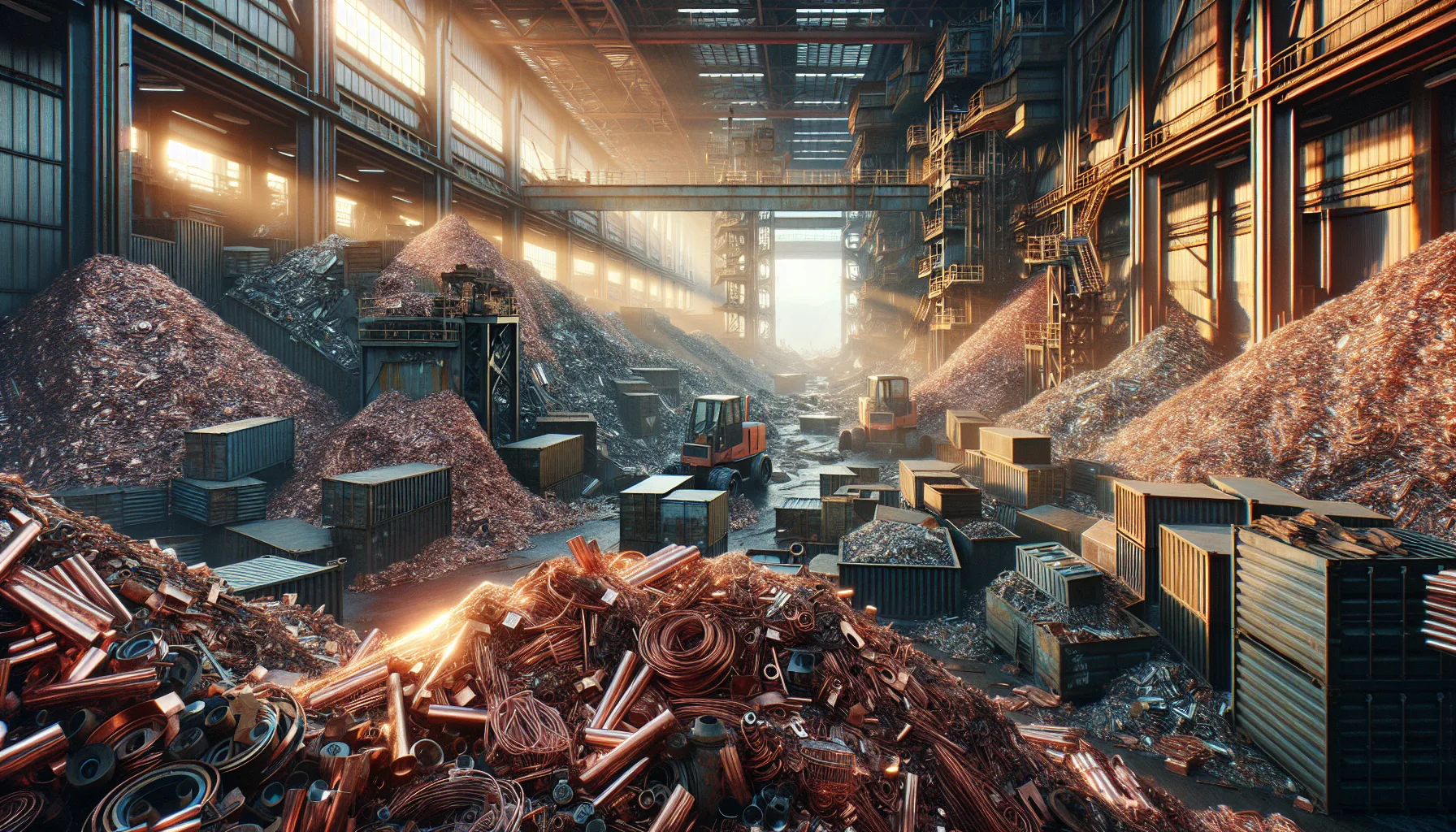
Visual Metal Identification: Your First Line of Defense
Copper commands premium prices in today's market, often trading at significantly higher rates than steel or aluminum. But here's the challenge facing scrap metal sellers across Canada: misidentifying metals can cost you hundreds of dollars per transaction. When copper scrap price today sits at premium levels, knowing how to distinguish genuine copper from copper-plated steel or brass becomes critical for maximizing your returns.
Visual identification starts with understanding color characteristics that distinguish valuable metals from common alternatives. Copper displays a distinctive reddish-orange hue when clean, though oxidation creates green patina over time. This patina actually indicates authentic copper — counterfeit materials rarely develop this natural weathering pattern.
Aluminum maintains a bright silver appearance with excellent corrosion resistance. Unlike steel, aluminum never rusts, making it easily distinguishable in outdoor applications. Look for lightweight construction materials, window frames, and beverage containers as common aluminum sources. The metal's natural oxide layer creates a dull finish compared to polished steel surfaces.
Brass exhibits a golden-yellow color that differentiates it from both copper and bronze. Plumbing fixtures, decorative hardware, and musical instruments commonly feature brass construction. However, brass prices fluctuate differently than pure copper, making accurate identification essential for pricing expectations.
Steel appears silver-gray when clean but develops characteristic rust (iron oxide) when exposed to moisture. Stainless steel varieties resist corrosion but typically contain magnetic properties that help with identification. Cast iron displays a darker, more porous appearance compared to standard steel grades.
The Magnet Test: Separating Ferrous from Non-Ferrous Metals
Magnetic testing provides the most reliable method for distinguishing ferrous metals (containing iron) from valuable non-ferrous alternatives. This simple technique can instantly separate low-value steel from high-value copper, aluminum, or brass that commands premium pricing in Canadian markets.
Use a strong neodymium magnet for testing — standard refrigerator magnets often lack sufficient strength for reliable results. Steel, iron, and most stainless steel grades will attract strongly to the magnet. Nickel also displays magnetic properties, though pure nickel rarely appears in common scrap applications.
Non-ferrous metals including copper, aluminum, brass, bronze, zinc, and lead show no magnetic attraction. This immediate test eliminates confusion between copper-colored steel and genuine copper materials. When scrap metal recycling Quebec City facilities evaluate your materials, they perform this same magnetic separation process.
Stainless steel presents a unique challenge — some grades display minimal magnetic properties while others attract magnets strongly. The 300 series stainless steel (containing nickel) typically shows weak or no magnetic response, while 400 series stainless steel (containing chromium) attracts magnets readily. Understanding these distinctions helps optimize your find the best Canadian scrap metal prices today strategy.
Always test multiple areas on larger items. Composite materials may combine ferrous and non-ferrous elements, requiring separation for maximum value recovery. Motors, transformers, and electronic devices frequently contain both copper windings and steel casings that demand individual evaluation.
Advanced Testing Techniques for Metal Verification
Beyond basic visual and magnetic testing, several advanced techniques provide additional verification for valuable metals. These methods prove particularly useful when dealing with alloys or materials where initial identification remains uncertain.
The file test reveals internal metal composition by exposing fresh material beneath surface coatings or oxidation. Brass filings appear yellow-gold, while copper filings display the characteristic reddish color. Steel filings show silver-gray coloration with potential spark generation during filing.
Density testing helps distinguish between similar-appearing metals. Aluminum feels noticeably lighter than steel of equivalent size due to its lower density. Lead displays exceptional heaviness compared to other common metals, making it easily identifiable through weight alone.
Sound testing provides another verification method — pure copper produces a distinctive ringing tone when struck, while brass creates a different acoustic signature. Steel generates a sharp, metallic sound, and aluminum produces a duller tone. This technique works best with larger pieces where sound resonance can develop properly.
Chemical testing offers definitive identification but requires proper safety equipment and disposal procedures. Nitric acid testing can verify copper content, but environmental and safety concerns make this approach unsuitable for casual sellers. Professional scrap metal recycling Canada facilities use specialized equipment for precise alloy analysis.
Common Metal Identification Mistakes and How to Avoid Them
Misidentification errors cost Canadian scrap sellers thousands of dollars annually. Understanding these common mistakes helps protect your profit margins and ensures accurate material classification when working with recycling facilities.
Copper-plated steel represents the most frequent misidentification problem. Many electrical components, plumbing fittings, and decorative items feature thin copper coatings over steel cores. The magnetic test immediately reveals this deception — genuine copper shows no magnetic attraction while copper-plated steel attracts magnets strongly.
Brass versus bronze confusion creates another common pricing error. Brass contains zinc and copper, producing a yellow-gold appearance. Bronze combines copper and tin, creating a darker, more reddish-brown color. Bronze typically commands higher prices than brass due to tin content, making accurate identification valuable for sellers.
Aluminum versus stainless steel confusion occurs frequently with kitchen equipment and industrial components. Both materials resist rust and maintain bright appearances. However, the magnetic test provides instant differentiation — stainless steel often displays magnetic properties while aluminum never attracts magnets.
Wire identification presents unique challenges due to various insulation and coating materials. Copper wire commands premium pricing, but aluminum wire appears in many residential and commercial applications. Weight comparison helps distinguish between these materials — copper wire feels significantly heavier than aluminum alternatives of equivalent gauge.
When planning to how to purchase scrap metal or sell materials in Quebec City markets, platforms like SMASH make it easy to connect with verified buyers who understand accurate metal identification and provide fair pricing based on proper classification.
Market Context: Why Accurate Identification Matters for Canadian Sellers
Current market conditions in 2026 emphasize the critical importance of accurate metal identification for Canadian scrap sellers. Copper prices have maintained strong performance throughout the year, making precise identification essential for maximizing returns.
Quebec's recycling industry processes thousands of tons of scrap metal monthly, with facilities in Quebec City and surrounding regions handling diverse material streams. Accurate identification ensures proper classification and prevents sellers from accepting lower prices for valuable materials mistakenly categorized as common steel.
The price differential between metals creates significant financial incentives for proper identification. Copper consistently trades at multiples of steel pricing, while aluminum maintains steady premiums above iron-based materials. These spreads make identification accuracy directly impact your bottom line.
Professional recycling facilities use sophisticated testing equipment including XRF analyzers and spectrometers for precise alloy identification. However, sellers who master basic identification techniques arrive better prepared for negotiations and avoid potential disputes over material classification.
Market volatility also affects the importance of timing and identification accuracy. When copper prices surge, properly identified copper materials generate maximum returns. Conversely, misidentified copper sold as brass or mixed metals results in substantial opportunity costs for sellers.
Understanding seasonal patterns helps optimize selling strategies. Construction activity peaks during warmer months, increasing demand for copper and aluminum materials. Industrial shutdowns and renovations create periodic surges in available scrap materials, affecting local pricing dynamics.
Professional Tools and Equipment for Metal Testing
Investing in proper testing equipment improves identification accuracy and builds confidence when negotiating with scrap metal recycling Quebec City buyers. Professional-grade tools provide reliable results that justify their initial cost through improved material classification.
Neodymium magnets offer superior testing capability compared to standard magnetic materials. These rare earth magnets provide strong, consistent attraction to ferrous metals while clearly distinguishing non-ferrous alternatives. Multiple magnet strengths help identify different steel grades and stainless steel varieties.
Digital scales enable precise weight measurements that support density-based identification techniques. Comparing weight-to-volume ratios helps distinguish between similar-appearing metals with different density characteristics. This approach proves particularly valuable for identifying aluminum versus stainless steel components.
Metal files and grinders expose fresh material surfaces for visual inspection. Surface coatings, paint, and oxidation can obscure true metal colors, making fresh exposure necessary for accurate identification. Always use proper safety equipment when grinding or filing metal samples.
Conductivity testers provide advanced verification for electrical applications. Copper displays excellent conductivity while aluminum shows lower but still significant electrical performance. Steel and iron demonstrate poor conductivity, helping distinguish these materials from valuable non-ferrous alternatives.
When you check current Canadian scrap metal prices through professional platforms, accurate identification ensures you receive appropriate compensation for your materials. SMASH connects sellers with verified buyers who appreciate properly classified materials and offer competitive pricing accordingly.
Regional Considerations for Quebec Metal Recycling
Quebec's diverse industrial landscape creates unique opportunities and challenges for scrap metal identification and recycling. The province's manufacturing sector, mining operations, and construction industry generate varied material streams requiring accurate identification techniques.
Quebec City's aerospace and technology sectors produce specialized alloys and composite materials that demand expert evaluation. These industries often discard valuable materials including titanium, specialized stainless steels, and exotic alloys that command premium pricing when properly identified.
The province's mining heritage creates access to unusual metal varieties not commonly found in other Canadian regions. Historical mining equipment, processing machinery, and transportation infrastructure contain valuable materials including high-grade copper, specialized steel alloys, and sometimes precious metal components.
Seasonal factors in Quebec affect material availability and pricing dynamics. Winter construction shutdowns create periodic surges in available scrap materials as projects complete and equipment undergoes maintenance. Understanding these patterns helps optimize selling timing for maximum returns.
Transportation considerations within Quebec influence regional pricing variations. Scrap metal prices Barrie and other Ontario markets sometimes offer different rates than Quebec facilities due to transportation costs and regional demand patterns. Sellers near provincial borders should compare pricing across regions for optimization opportunities.
Language considerations may affect communication with recycling facilities. Ensure clear understanding of material classifications and pricing terms when working with francophone facilities. Accurate identification reduces potential misunderstandings and ensures proper material evaluation.
For those looking to read the latest Canadian scrap metal pricing guides, staying informed about regional market conditions helps optimize selling strategies. SMASH provides access to verified buyers across Quebec and Canada, ensuring competitive pricing regardless of location.
Frequently Asked Questions
Q: How can I tell if my copper wire is actually aluminum wire?
Copper wire feels significantly heavier than aluminum wire of the same gauge due to copper's higher density. Visually, copper displays a reddish color when stripped, while aluminum appears bright silver. The weight difference becomes obvious when handling substantial quantities of wire.
Q: What's the difference between #1 and #2 copper scrap pricing?
#1 copper is clean, unalloyed copper with minimal contamination, commanding the highest prices. #2 copper contains paint, oxidation, or minor contamination, resulting in lower pricing. When checking copper scrap price today, #1 copper typically trades 10-15% higher than #2 copper grades.
Q: Will stainless steel always stick to a magnet?
Not all stainless steel grades are magnetic. 300 series stainless steel (containing nickel) shows little or no magnetic attraction, while 400 series stainless steel attracts magnets strongly. Use additional identification methods like weight and appearance when magnetic testing proves inconclusive.
Q: How do I identify brass versus bronze for better pricing?
Brass appears yellow-gold in color and contains copper and zinc, while bronze has a darker reddish-brown color and contains copper and tin. Bronze typically commands higher prices than brass due to tin content. Both materials show no magnetic attraction, requiring visual identification for proper classification.
Q: What tools do I need for accurate metal identification at home?
A strong neodymium magnet, digital scale, metal file, and basic safety equipment provide sufficient tools for most identification needs. These tools enable magnetic testing, density comparison, and surface examination for accurate material classification before selling to recycling facilities.
Accurate metal identification directly impacts your profitability in Canada's competitive scrap market. Master these techniques to ensure proper material classification and maximize returns from every transaction. SMASH Recycling — where verified buyers bid on your metal connects sellers with buyers who value properly identified materials and offer fair market pricing. Get the best Canadian scrap metal prices — check rates at best-scrap-prices.ca.
Stay connected with the latest industry trends and market insights by following SMASH on LinkedIn: https://www.linkedin.com/company/scrap-metal-auction-sales-hub for regular updates on scrap metal market conditions and pricing strategies.