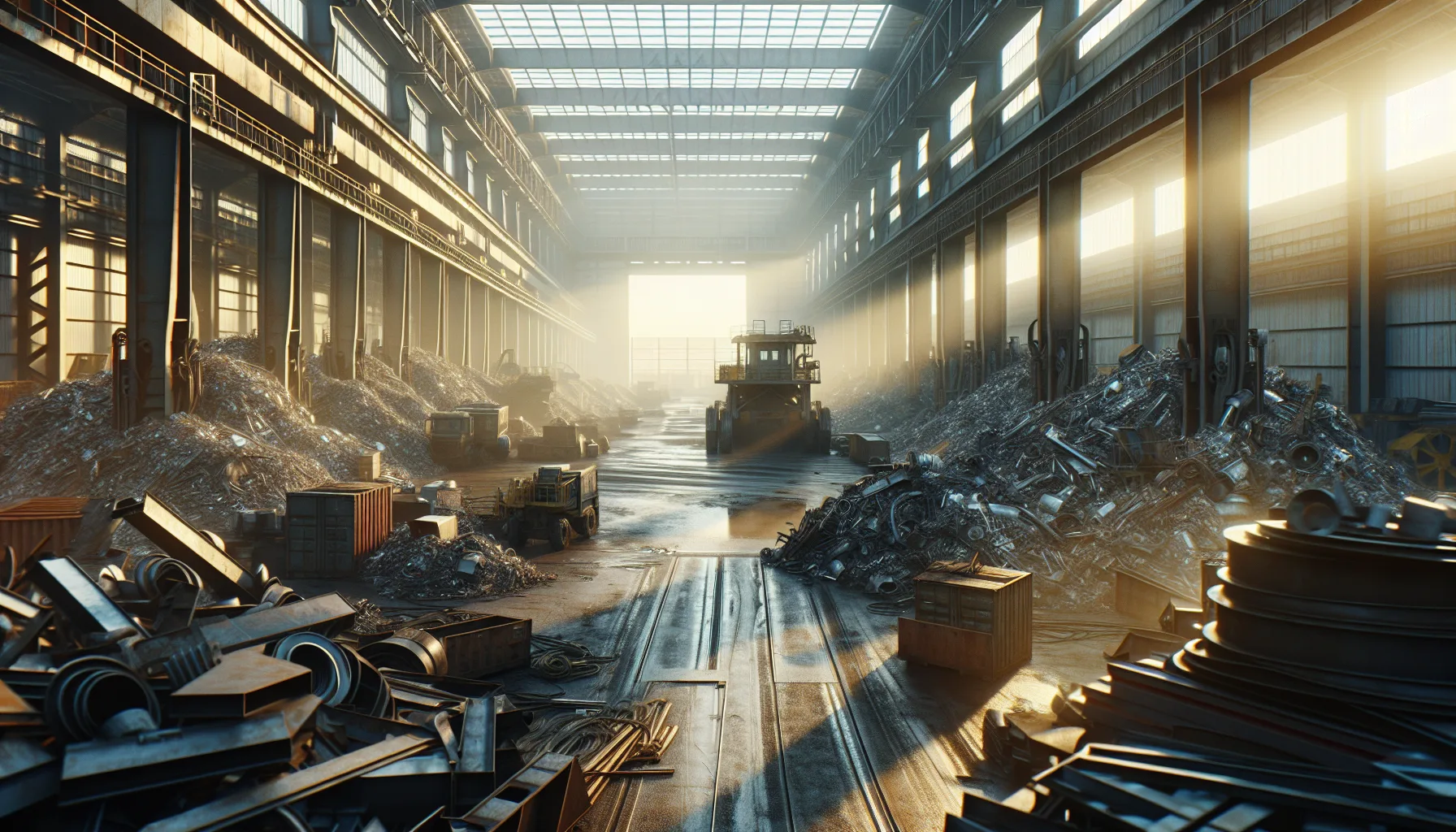
Understanding How Recycling Yards Grade and Weigh Your Scrap Metal for Maximum Value
When you're ready to sell scrap metal, understanding how recycling yards evaluate your materials makes the difference between getting fair market value and leaving money on the table. The weighing and grading process directly impacts your payout, especially with today's competitive scrap metal auction environment where buyers actively compete for quality materials. Knowing what to expect helps you prepare your scrap properly and choose the right buyer for your specific metal types.
Recycling yards in Brampton and across Ontario follow standardized procedures for evaluating scrap metal, but the execution varies significantly between facilities. Some yards invest in certified scales and employ experienced graders, while others cut corners that could cost you money. The key is understanding these processes so you can find the best Canadian scrap metal prices today and avoid common pitfalls that reduce your profit.
The grading and weighing process determines everything from your steel scrap price today to specialized pricing for copper, aluminum, and other valuable metals. Smart sellers research these procedures before visiting yards, giving them leverage to negotiate better rates and spot potential discrepancies in the evaluation process.
The Metal Grading Process: How Yards Classify Your Scrap
Metal grading happens before weighing and establishes the baseline price you'll receive. Experienced graders examine your materials for purity, contamination levels, and overall condition. Clean copper wire earns top-tier pricing, while contaminated copper with plastic insulation gets classified as lower-grade material with reduced value.
Steel grading focuses on thickness, rust levels, and attachment materials. Heavy melt steel (HMS) commands higher prices than light iron, and clean steel without paint or attachments always outperforms contaminated materials. Yards separate structural steel, automotive steel, and appliance steel into distinct categories, each with different pricing structures.
Aluminum grading considers alloy types and cleanliness. Clean aluminum sheet pays significantly more than aluminum mixed with steel components or painted surfaces. Cast aluminum, aluminum cans, and aluminum extrusions all receive different grade classifications that directly impact your final payout.
Professional yards use handheld analyzers to verify metal composition and detect contamination invisible to the naked eye. These devices provide accurate readings that protect both buyers and sellers from pricing disputes. When evaluating potential buyers, ask about their testing equipment and grading standards to ensure fair treatment.
Scale Certification and Weighing Accuracy Standards
Certified scales are mandatory for commercial scrap transactions in Ontario, and reputable yards display current certification documents prominently. These scales undergo regular inspection by Measurement Canada to ensure accuracy within strict tolerances. Always verify that scales show current certification before completing your transaction.
The weighing process should be transparent, with clearly visible displays showing both gross and net weights. Professional yards subtract container weights (tare) automatically and provide printed receipts showing all weight calculations. If you cannot see the scale display clearly or receive detailed weight documentation, consider finding a different buyer.
Timing matters during weighing procedures. Wet materials weigh more than dry materials, so avoid delivering scrap immediately after rain or washing. Some sellers strategically time deliveries to avoid moisture-related weight variations that reduce their effective per-pound pricing.
Mobile scales used for pickup services require the same certification standards as stationary scales. When using services that sell scrap metal online or offer on-site pickup, request certification documentation and ensure the weighing process meets commercial standards.
Common Grading Disputes and How to Avoid Them
Mixed materials create the most frequent grading disputes. Copper mixed with brass receives lower pricing than pure copper, and sellers often disagree with contamination assessments. Separate different metal types before delivery to avoid classification disputes and maximize individual material values.
Paint and coating removal significantly impacts grading outcomes. Steel with paint gets classified as prepared steel with lower pricing, while clean steel commands premium rates. Investing time in paint removal often pays for itself through higher per-pound pricing, especially on large quantities.
Documentation helps resolve grading disputes quickly. Take photos of your materials before delivery and understand current market pricing for different grades. When yards provide significantly lower prices than market rates, ask for specific explanations of their grading decisions.
Some Brampton recycling facilities participate in SMASH scrap networks that provide transparent grading standards and competitive pricing through auction-style bidding. These platforms reduce grading disputes by connecting sellers with multiple qualified buyers who compete for materials based on standardized classifications.
Maximizing Value Through Proper Preparation
Proper sorting before delivery increases your payout significantly. Separate ferrous metals (steel, iron) from non-ferrous metals (copper, aluminum, brass) and further separate non-ferrous materials by type. Clean materials always command higher prices than mixed or contaminated scrap.
Remove attachments that reduce material value. Steel with rubber, plastic, or wood attachments gets downgraded to lower pricing tiers. Copper wire with insulation receives lower pricing than bare copper wire. The time invested in cleaning materials typically pays for itself through improved grading classifications.
Size matters for certain material types. Cut large steel pieces to manageable sizes that fit processing equipment. Some yards offer premium pricing for materials delivered in preferred dimensions, while oversized pieces may receive penalty pricing due to additional processing requirements.
Research current pricing before making deliveries. Check current Canadian scrap metal prices to understand fair market values for your specific materials. This knowledge helps you evaluate yard pricing and identify opportunities for better deals through competitive bidding or auction platforms.
Professional sellers use platforms like SMASH to access best scrap metal prices Ontario markets without visiting multiple physical locations. These services connect sellers with verified buyers who compete for materials, often resulting in higher prices than traditional yard transactions.
Technology and Modern Grading Methods
Advanced testing equipment revolutionizes modern scrap metal evaluation. X-ray fluorescence (XRF) analyzers provide instant composition analysis for complex alloys and detect contamination levels invisible to visual inspection. Progressive yards invest in this technology to provide accurate grading and build trust with repeat customers.
Digital imaging systems document material conditions and support grading decisions with visual evidence. These systems reduce disputes and provide sellers with detailed records of their material evaluations. When comparing yard options, consider facilities that use modern documentation methods.
Automated sorting systems improve grading consistency by removing human error from routine classification decisions. While experienced graders remain essential for complex materials, technology assists with standard classifications and ensures consistent application of grading standards.
Online platforms integrate with physical grading processes to provide real-time pricing updates and competitive bidding opportunities. Sellers can compare offers from multiple buyers simultaneously and choose the best available pricing for their specific materials and quantities.
The integration of technology with traditional grading methods creates opportunities for sellers to access broader markets and better pricing. Understanding these modern approaches helps sellers choose buyers who provide fair evaluations and competitive rates for their scrap metal materials.
Whether you're dealing with everyday steel scrap or specialized materials, knowing how recycling yards evaluate your metals puts you in control of the selling process. Professional facilities in Brampton and throughout Ontario compete for quality materials, and informed sellers capture the best available pricing through proper preparation and strategic buyer selection. Read the latest Canadian scrap metal pricing guides to stay current with market trends and maximize your scrap metal profits. Get the best Canadian scrap metal prices — check rates at best-scrap-prices.ca to connect with competitive buyers and secure top dollar for your materials.
Frequently Asked Questions
Q: How accurate are recycling yard scales in Brampton?
Certified commercial scales in Brampton must maintain accuracy within strict tolerances set by Measurement Canada. Reputable yards display current certification documents and provide transparent weighing processes with visible displays and printed receipts.
Q: Can I dispute a grading decision at a scrap yard?
Yes, you can request explanations for grading decisions and seek second opinions from other qualified buyers. Document your materials with photos and research current market pricing to support your position in grading disputes.
Q: What's the difference between prepared and unprepared steel pricing?
Prepared steel has paint, attachments, and contamination removed, earning premium pricing. Unprepared steel with coatings or mixed materials receives lower per-pound rates due to additional processing requirements.
Q: How do scrap metal auctions affect grading standards?
Scrap metal auction platforms like SMASH use standardized grading criteria that multiple buyers can evaluate consistently. This creates competitive pricing based on accurate material classifications and reduces grading disputes.
Q: Should I clean my scrap metal before selling in Ontario?
Cleaning scrap metal typically increases your payout through improved grading classifications. Remove paint, attachments, and contamination when possible, and separate different metal types to maximize individual material values.
Follow SMASH on LinkedIn for the latest industry updates and Canada's B2B scrap recycling marketplace insights on scrap metal market trends and pricing opportunities.