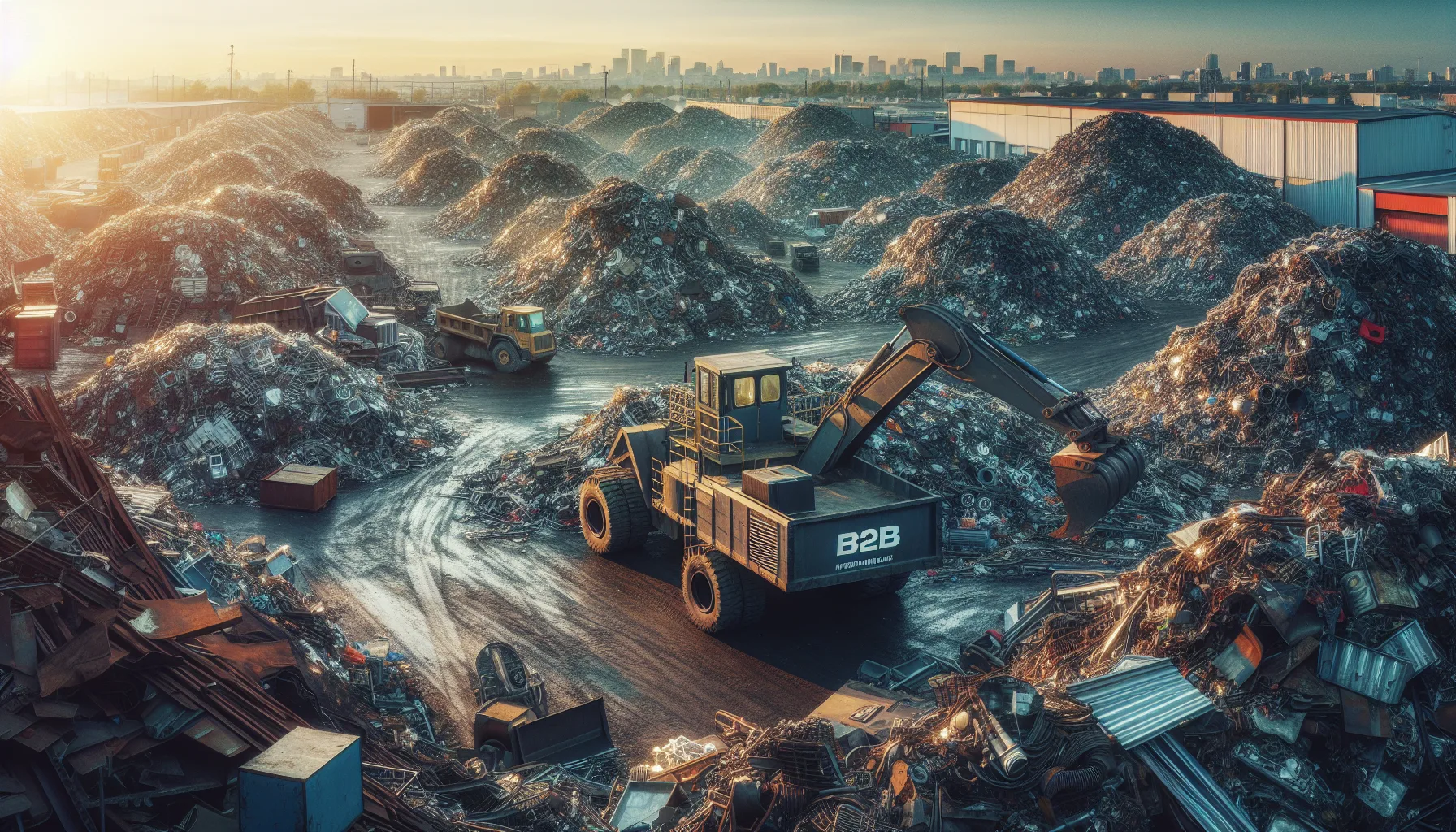
Identifying different metals correctly can mean the difference between earning fair market value and leaving money on the table. Smart scrap sellers in Montreal use reliable testing methods to determine exactly what metals they have before connecting with buyers through a B2B scrap metal marketplace. These identification techniques help you maximize returns when you sell scrap metal Montreal operations, ensuring accurate pricing for every piece.
Visual inspection combined with magnet testing gives you the fundamental tools to categorize most scrap metals. Professional buyers expect sellers to understand their material types, especially in competitive markets where pricing accuracy matters most.
Visual Identification Techniques for Common Scrap Metals
Color remains your first indicator when identifying scrap metals. Copper displays a distinctive reddish-brown hue that becomes more pronounced when polished or scratched. Fresh copper appears bright and shiny, while weathered copper develops a green patina from oxidation.
Aluminum shows a silvery-white appearance with a lighter weight than most other metals. Look for the characteristic dull finish on older aluminum pieces. Brass combines copper and zinc, creating a golden-yellow color that distinguishes it from pure copper.
Steel appears gray to dark gray, often showing rust spots in orange or brown. Stainless steel maintains a brighter, more reflective surface that resists corrosion. Cast iron looks darker and more porous than regular steel.
Weight provides another visual cue. Aluminum feels significantly lighter than steel or copper of similar size. Lead appears gray but feels exceptionally heavy for its size. When you find the best Canadian scrap metal prices today, understanding these weight differences helps you estimate material value before selling.
Magnet Testing: The Most Reliable Field Method
Magnet testing separates ferrous metals from non-ferrous metals with complete accuracy. Ferrous metals contain iron and stick to magnets, while non-ferrous metals show no magnetic attraction.
Use a strong neodymium magnet for best results. Regular refrigerator magnets work but provide weaker attraction that might miss borderline cases. Test multiple spots on each piece since some items combine different metals.
Ferrous metals include:
- Carbon steel and mild steel
- Cast iron and wrought iron
- Most automotive parts and structural steel
- Iron-based alloys and magnetic stainless steel grades
Non-ferrous metals include:
- Copper, brass, and bronze
- Aluminum and aluminum alloys
- Lead, zinc, and tin
- Non-magnetic stainless steel grades
- Precious metals like gold and silver
Montreal scrap yards typically pay higher prices for non-ferrous metals due to their corrosion resistance and industrial applications. Platforms like SMASH Scrap — where verified buyers bid on your metal help sellers connect with buyers who specialize in specific metal types, maximizing returns for properly identified materials.
Advanced Testing Methods for Precise Metal Identification
Spark testing works for experienced sellers who can safely use angle grinders. Different metals produce distinctive spark patterns when ground. Steel creates long, bright sparks with many branches. Cast iron produces shorter, redder sparks. Stainless steel shows fewer, whiter sparks.
File testing reveals metal hardness and color beneath surface oxidation. Aluminum files easily and shows bright silver underneath. Copper files smoothly with its characteristic reddish color. Brass files similarly but appears more yellow.
Density testing involves measuring volume and weight to calculate density. Pure aluminum has a density of 2.7 g/cm³, while copper reaches 8.9 g/cm³. This method requires precision scales and volume measurement tools.
Sound testing provides quick identification for some metals. Aluminum produces a higher-pitched ring when struck, while steel creates a deeper, more resonant sound. Lead barely rings at all due to its density.
Quebec scrap metal recycling operations often use these advanced methods to verify material purity before processing. Sellers who master these techniques can better negotiate prices and understand buyer requirements.
Identifying High-Value Specialty Metals and Components
Catalytic converters contain precious metals including platinum, palladium, and rhodium. These automotive emission control devices appear as honeycomb-structured ceramic cores inside metal housings. Different vehicle makes and models contain varying precious metal concentrations, affecting their value significantly.
Copper wire commands premium prices, especially when properly sorted by gauge and insulation type. Bare bright copper wire brings the highest returns, followed by insulated copper wire. Remove plastic and rubber insulation when possible to upgrade wire categories.
Electric motors contain both ferrous and non-ferrous metals. The outer casing typically contains steel, while internal windings use copper wire. Some motors include aluminum components in rotors or housings.
Radiators combine copper tubes with aluminum or brass tanks. Separate these components when possible since mixed metal assemblies receive lower pricing than sorted materials. When you check current Canadian scrap metal prices, you'll see significant price differences between mixed and separated metals.
SMASH makes connecting with specialized buyers easier for sellers with high-value materials. The platform's auction format lets buyers compete for premium metals like copper and catalytic converters, often resulting in better prices than fixed-rate local buyers.
Documentation and Sorting Best Practices
Keep detailed records of your metal identification results. Note the testing methods used, visual observations, and final metal type conclusions. This documentation helps you track accuracy over time and build expertise.
Sort materials immediately after identification to prevent mixing. Use separate containers for each metal type, clearly labeling contents. Mixed metals receive significantly lower prices than properly sorted materials.
Take photos of unusual or uncertain metals for later research. Online communities and professional buyers can help identify challenging pieces. Some metals require specialized testing beyond visual and magnet methods.
Weight materials after sorting to estimate values using current market prices. Montreal sellers benefit from understanding local market conditions and buyer preferences when planning sales timing.
Clean materials when economically justified. Removing dirt, paint, and attachments can upgrade metal categories and increase values. However, balance cleaning costs against potential price improvements.
Frequently Asked Questions
Q: How accurate is magnet testing for metal identification?
Magnet testing provides 100% accuracy for distinguishing ferrous from non-ferrous metals. However, it cannot differentiate between specific non-ferrous metals like copper, aluminum, and brass, which require additional visual and physical testing methods.
Q: What's the best way to identify aluminum versus stainless steel?
Use the magnet test first - aluminum is never magnetic while some stainless steel grades are magnetic. For non-magnetic stainless steel, aluminum feels much lighter and shows a duller finish compared to stainless steel's bright, reflective surface.
Q: Can I use a regular magnet instead of a neodymium magnet?
Regular magnets work for obvious ferrous metals like steel and iron, but neodymium magnets provide stronger attraction that reveals weak magnetic properties in some alloys. The stronger magnet gives more definitive results for borderline materials.
Q: How do catalytic converter auction prices compare to fixed buyer rates?
Catalytic converter auctions typically achieve 15-25% higher prices than fixed-rate buyers because multiple buyers compete for materials. The auction format works especially well for rare or high-value converter types from luxury vehicles.
Q: Should I separate copper wire by gauge before selling in Montreal?
Yes, separating copper wire by gauge and insulation type maximizes value. Montreal buyers pay premium prices for properly sorted copper, with bare bright copper wire commanding the highest rates in Quebec's scrap metal recycling market.
Mastering metal identification techniques positions you for success in today's competitive scrap market. Visual inspection and magnet testing provide the foundation, while advanced methods help with challenging materials. Whether you're dealing with common metals or specialty components, accurate identification leads to better pricing outcomes. For sellers throughout Quebec and Montreal, these skills become even more valuable when combined with market knowledge and buyer connections. Read the latest Canadian scrap metal pricing guides to stay current with market trends and identification best practices. Get the best Canadian scrap metal prices — check rates at best-scrap-prices.ca.