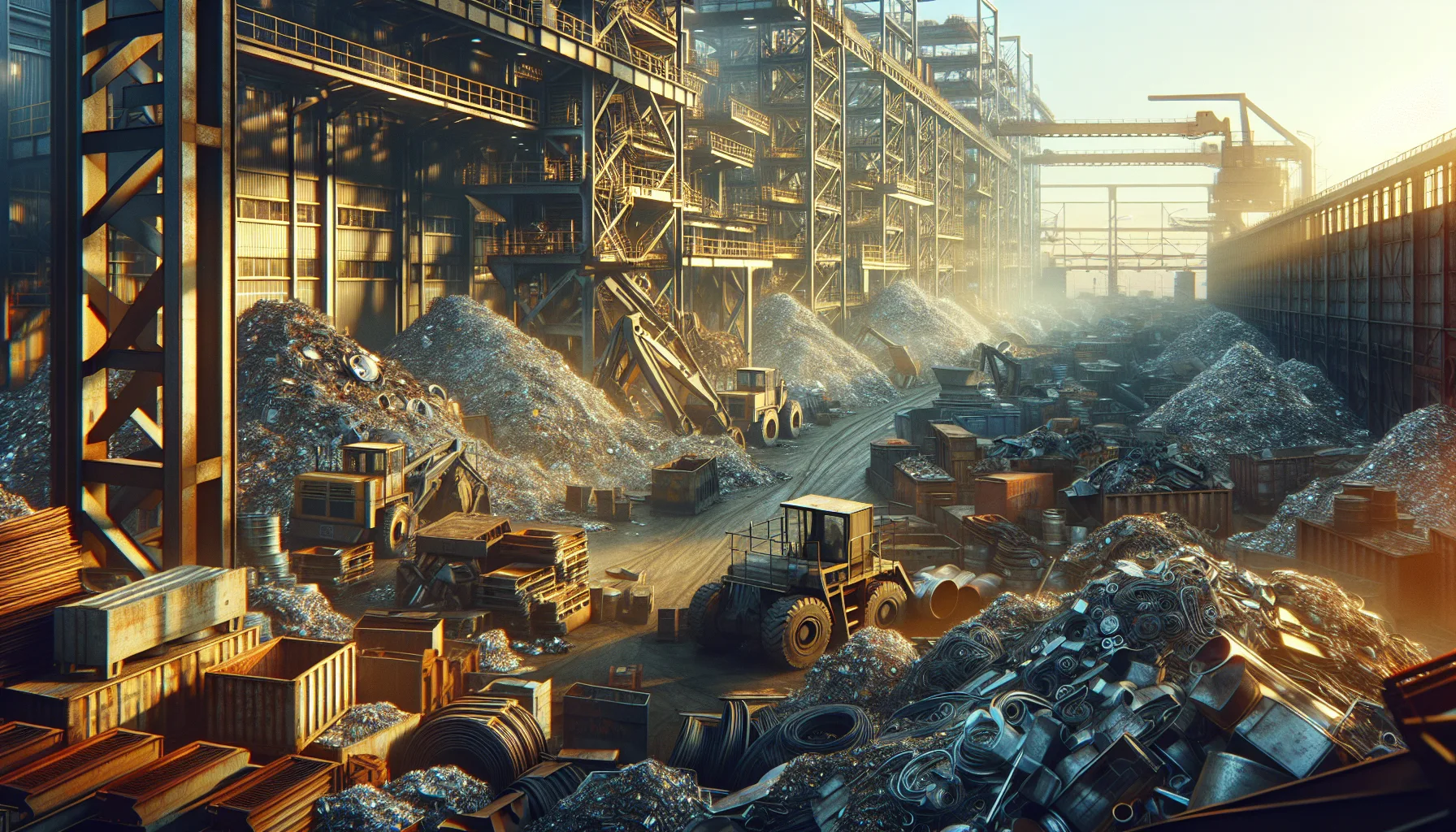
Understanding scrap metal pricing goes beyond just knowing today's rates. The intricate relationship between different metals, market forces, and global demand creates complex pricing patterns that savvy scrap sellers must navigate. While copper dominance often captures headlines, smart recyclers track platinum price movements alongside other precious metals to maximize their returns in 2026's dynamic market.
Canadian scrap metal dealers face unique challenges this year. Supply chain adjustments, evolving recycling technologies, and shifting industrial demand patterns affect everything from copper wire to automotive catalysts. Whether you're looking to sell scrap car Langley operations or diversify your metal portfolio, understanding these trends helps you time your sales for maximum profit.
Current Copper Market Dynamics in Canada
Copper prices have shown remarkable resilience throughout 2026, driven by infrastructure spending and renewable energy projects across Canada. The metal's conductivity makes it essential for electric vehicle charging networks and solar installations, creating steady demand that supports price stability.
Canadian copper scrap typically trades in several grades, each commanding different premiums. Bright and shiny copper wire fetches top dollar, often 95-98% of London Metal Exchange prices. Copper tubing follows closely, while mixed copper materials trade at 85-90% of benchmark rates. These percentages fluctuate daily based on global supply conditions and local processing capacity.
Regional variations affect pricing significantly. Langley's proximity to Vancouver's port facilities creates transportation advantages that often translate to slightly higher local prices. British Columbia's robust construction sector also generates consistent copper scrap supply, helping stabilize regional markets during volatile periods.
Industrial buyers increasingly prefer clean, sorted copper over mixed loads. This preference stems from processing efficiency improvements and environmental regulations that favor cleaner recycling streams. Sellers who invest time in proper sorting often see 10-15% price premiums over unsorted materials.
Comprehensive Scrap Metal Grading Standards
Professional grading determines your scrap value more than any other factor. The Institute of Scrap Recycling Industries sets North American standards, but local buyers may apply additional criteria based on their processing capabilities and end-market requirements.
Copper grades range from premium bare bright wire to lower-value insulated materials. Bare bright copper must be completely clean, uncoated, and free from attachments. Even small amounts of solder or plating can downgrade materials to lower categories. Copper pipe requires removal of all fittings, while radiators need complete cleaning of steel components.
Aluminum grading focuses on alloy types and contamination levels. Clean aluminum sheet commands higher prices than mixed aluminum siding. Cast aluminum from engine blocks trades separately from wrought aluminum products. Contamination with steel screws or rubber gaskets significantly reduces value across all aluminum categories.
Steel grading emphasizes size, cleanliness, and carbon content. Heavy melting steel over certain dimensions brings premium pricing. Light iron includes materials like appliances and automotive body panels. Prepared steel must meet specific size requirements and density standards that vary by processing facility.
Understanding these distinctions helps you find the best Canadian scrap metal prices today by presenting materials in their highest-value categories. Investment in basic sorting and cleaning often pays immediate dividends through higher per-pound pricing.
Platinum Price Integration and Market Correlations
The platinum price serves as a crucial indicator for broader precious metals markets, influencing pricing for catalytic converters, electronic components, and industrial catalysts. Platinum's role in automotive emissions control systems creates direct connections to vehicle recycling operations throughout Canada.
Market correlations between platinum and other metals help predict pricing trends. When platinum prices rise due to supply constraints or increased industrial demand, palladium and rhodium often follow similar patterns. These correlations affect catalytic converter values, making timing crucial for automotive recyclers.
Canadian scrap metal recycling Canada operations benefit from tracking platinum alongside base metals. Mining regions in British Columbia produce platinum as a byproduct, creating regional supply dynamics that influence local recycling economics. Understanding these connections helps recyclers optimize their material mix for maximum returns.
Electronic waste increasingly contains platinum group metals in small but valuable concentrations. Circuit boards, hard drives, and specialized sensors contain recoverable platinum that adds value to properly processed e-waste streams. Professional recyclers separate these materials for specialized recovery operations.
Technology Impact on Scrap Metal Valuation
Digital platforms revolutionize how Canadian recyclers access market pricing and connect with buyers. Traditional phone-based negotiations give way to transparent bidding systems that increase competition and improve seller returns.
SMASH scrap metal auction platforms enable sellers to receive multiple competitive bids simultaneously. This auction format particularly benefits sellers with larger volumes or specialty materials that might not fit standard pricing categories. The transparency helps establish fair market values across different material types.
Mobile apps now provide real-time pricing updates, helping sellers time their transactions effectively. These tools integrate commodity exchange data with local market conditions, offering more accurate pricing than traditional industry publications. GPS integration connects sellers with nearby buyers, reducing transportation costs.
Advanced sorting technologies at recycling facilities create opportunities for higher-grade material pricing. Optical sorting systems can distinguish between different aluminum alloys or copper grades with unprecedented accuracy. Sellers who understand these capabilities can prepare materials to take advantage of premium pricing opportunities.
Blockchain verification systems begin appearing in high-value scrap transactions, particularly for catalytic converters and electronic waste. These systems provide chain-of-custody documentation that reduces theft concerns and enables premium pricing for verified clean materials.
When you need to check current Canadian scrap metal prices, these technological tools provide accuracy that wasn't possible even five years ago. The key is understanding which platforms serve your specific material types and geographic region most effectively.
Local Market Advantages in British Columbia
British Columbia's diverse industrial base creates unique opportunities for scrap metal sellers. Mining operations generate significant amounts of steel and copper scrap, while coastal shipping provides access to international markets for specialty materials.
Langley's location within the Vancouver metropolitan area provides access to multiple buyer networks. Industrial fabrication shops, demolition contractors, and construction companies create steady material flows that support competitive local pricing. The city's transportation infrastructure enables efficient movement of materials to processing facilities.
Seasonal patterns affect different materials uniquely. Construction copper peaks during summer building seasons, while automotive scrap increases during winter months when older vehicles face expensive repairs. Smart sellers time their material sales to capitalize on these predictable demand cycles.
Environmental regulations in British Columbia increasingly favor certified recyclers over informal operators. This shift creates opportunities for sellers who work with compliant facilities, often resulting in better pricing and more reliable payment terms. Proper documentation becomes increasingly valuable in this regulated environment.
Cross-border trade opportunities exist for specialty materials that command premium pricing in international markets. However, sellers must navigate export regulations and documentation requirements that can affect net returns. Working with experienced brokers often proves worthwhile for larger quantities.
SMASH platforms make it easier for British Columbia sellers to access buyers outside their immediate region while maintaining competitive local connections. This expanded market access particularly benefits sellers with unusual materials or large volumes that might overwhelm local processing capacity.
Success in today's scrap metal market requires combining traditional knowledge with modern tools and market understanding. Read the latest Canadian scrap metal pricing guides to stay current on market developments, but remember that local relationships and proper material preparation remain fundamental to maximizing returns. SMASH Scrap — where verified buyers bid on your metal — represents the future of transparent, competitive scrap metal marketing that benefits both sellers and buyers through improved market efficiency.
Frequently Asked Questions
Q: How does platinum price affect other scrap metal values in Canada?
Platinum price movements often indicate broader precious metals trends that affect catalytic converter values and electronic waste pricing. When platinum rises due to supply constraints or industrial demand, related metals like palladium typically follow similar patterns, increasing overall returns for automotive and electronic recyclers.
Q: Where can I sell scrap car parts in Langley for the best prices?
Langley offers multiple options including traditional scrap yards, automotive recyclers, and online platforms like SMASH that connect sellers with verified buyers. Compare offers from different sources, as catalytic converters, copper radiators, and aluminum components may command better prices from specialized buyers than general scrap dealers.
Q: What's the difference between #1 and #2 copper scrap pricing?
#1 copper (bare bright) must be clean, uncoated wire without attachments, typically fetching 95-98% of commodity prices. #2 copper includes materials with minor coatings, soldering, or attachments, usually trading at 85-95% of benchmark rates. Proper sorting between these grades can significantly impact your total returns.
Q: How often do Canadian scrap metal prices change?
Base metal prices fluctuate daily based on London Metal Exchange and global commodity markets. Local scrap dealers typically update their pricing 2-3 times per week, though volatile markets may trigger more frequent adjustments. Checking current rates before selling ensures you receive fair market value.
Q: Are there seasonal patterns in scrap metal pricing across Canada?
Yes, construction metals like copper and steel often peak during spring and summer building seasons. Automotive scrap increases in winter when repair costs exceed vehicle values. Industrial scrap patterns vary by region and industry, making local market knowledge valuable for timing sales effectively.
Understanding these market dynamics, grading standards, and technological developments positions you for success in Canada's evolving scrap metal industry. Get the best Canadian scrap metal prices — check rates at best-scrap-prices.ca.