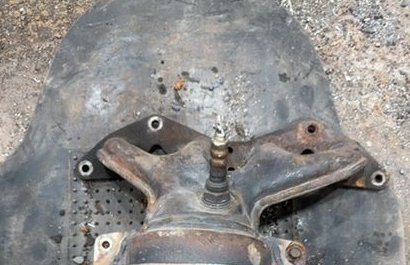
Your catalytic converter might be worth more than your entire load of steel — and most sellers in Regina have no idea why prices jump around so much.
Cats are one of the most misunderstood pieces of scrap in the yard. One week a shop quotes you $80. Another week a different buyer offers $220 for the same part number. No explanation. Just a number on a sticky note and a handshake. That's the old way. And it costs sellers real money.
This article breaks down exactly how catalytic converter recycling works, why scrap metal auction platforms are changing how cats get sold, and what you can do right now to stop leaving money on the table.
What's Actually Inside a Catalytic Converter — and Why It Matters for Pricing
Most people know cats reduce emissions. Few know what's inside them that makes them valuable at the scrap level. A catalytic converter contains a ceramic or metallic substrate coated with platinum group metals — platinum (Pt), palladium (Pd), and rhodium (Rh). These are the three elements driving scrap value. Not the steel shell. Not the weight.
The concentration of Pt, Pd, and Rh varies dramatically depending on the vehicle make, model, year, and engine type. A domestic half-ton converter might carry a very different PGM loading than a diesel import from the same year. That's why two cats that look nearly identical can have a $150 price gap. The substrate is the asset — and you can't see it without a lab assay.
Here's what recyclers and refiners look at when pricing your cats:
- PGM spot prices — platinum, palladium, and rhodium trade on global commodity markets and shift daily
- Substrate type — ceramic (honeycomb) vs. metallic substrates process differently and return different yields
- Part identification — serial numbers, OEM part codes, or VIN-linked lookup data help buyers estimate PGM content
- Condition — cracked, oil-contaminated, or water-damaged substrates reduce recoverable PGMs
- Volume — buyers price single cats differently than palletized lots of 50 or 500
Without this data, sellers are negotiating blind. That's where documentation tools — like the serial tracking and photo documentation built into platforms like SMASH Recycling — where verified buyers bid on your metal — start to change the math.
5 Reasons Catalytic Converter Scrap Prices Vary So Much
If you've ever gotten wildly different quotes from two buyers on the same day, you're not imagining things. Cat pricing is genuinely volatile — and for real reasons. Here's the breakdown.
- PGM spot prices move daily. Rhodium alone has swung from a few hundred dollars per troy ounce to over $20,000 at its peak. Even smaller daily movements shift what a refiner will pay per unit. A buyer quoting you Monday morning may be working with different margin assumptions than the same buyer on Thursday afternoon.
- Buyers have different refinery relationships. Some scrap buyers sell cats to a domestic refiner. Others export. Others use toll refining. Each arrangement has different costs, timelines, and recovery rates — which flow back into what they offer you.
- Part identification accuracy varies. A buyer with a good VIN lookup database or access to an assay library can price a cat more precisely. A buyer guessing by size and vehicle description will pad their offer with risk margin — which comes out of your pocket.
- Volume discounts exist — but they're rarely disclosed. A recycler in Regina sending a pallet of 80 cats should get a better per-unit price than someone walking in with three off one vehicle. But without competitive bids, there's no way to confirm you're getting that benefit.
- Single-buyer relationships kill price discovery. If you've sold to the same yard for five years on a handshake deal, your price is probably frozen around whatever that buyer needs to hit their margin — not what the open market would pay. More buyers means better price discovery. That's not a slogan. It's how markets work.
If you want to find the best Canadian scrap metal prices today, you need competition — not loyalty to a single phone number.
How the Recycling Process Actually Works — From Your Yard to a Refiner
Understanding the supply chain helps you understand where value gets extracted — and by whom. Cats move through several hands before the PGMs end up in a new industrial application.
Step 1 — Collection and sorting. Cats are pulled from end-of-life vehicles, either at auto salvage yards, body shops, or scrap yards. They're sorted by type: foreign small, domestic large, diesel, aftermarket (AM), and foil/metallic. Aftermarket cats carry very little PGM content and price accordingly — often a fraction of OEM units.
Step 2 — Decanning (optional). Some processors remove the outer steel shell to extract the substrate directly. This reduces shipping weight and can improve refinery pricing. Not all buyers decan — some ship whole units.
Step 3 — Sampling and assay. At the refinery level, a representative sample is crushed, blended, and assayed to determine actual PGM content. This is the only way to know the true value of a lot. Sellers who document their inventory — part numbers, VINs, photos — give buyers more confidence upfront, which often shows up in the offer.
Step 4 — Refining and settlement. PGMs are chemically separated and returned as refined metal. Settlement can happen on a spot basis or with a time lag depending on the refinery agreement. This lag is another reason buyers build margin into their bids — they're hedging price movement between purchase and settlement.
Knowing this chain helps you ask better questions. How does your buyer price? What refinery do they use? What's their settlement timeline? A platform built around sell scrap metal online transparency surfaces these differences instead of hiding them.
Why a Scrap Metal Auction Changes the Cat Pricing Game
The single-call model was never designed to benefit the seller. One buyer, one price, take it or leave it. Catalytic converters — because of their high per-unit value and complex pricing — are exactly where the gap between one quote and market value gets widest.
A scrap metal auction format puts your inventory in front of multiple vetted buyers at once. They compete. You see the bids. The market does the pricing — not one buyer's margin requirements.
SMASH is built for this. Sellers upload their cat inventory with photos, serial numbers, and condition notes. Vetted buyers review the documented load and place competitive bids. No phone tag. No guessing. No "I'll give you X and that's the best I can do." Just competitive bids from buyers who want your metal.
For Regina and Saskatchewan yards moving regular cat volume — from auto recyclers, body shops, or aggregated collections — this format creates real price discovery on every lot. You don't need to wonder if you're getting a fair number. You see what the market is actually paying. That's the SMASH scrap difference.
You can also read the latest Canadian scrap metal pricing guides to stay current on how PGM markets are moving before you list.
What Regina Sellers Should Know Before Selling Catalytic Converters
Saskatchewan has a strong base of automotive recyclers, agricultural equipment yards, and industrial scrap operations. Cats come from all of it — passenger vehicles, farm equipment, diesel trucks, off-road machinery. The volumes are real and the values add up fast when you're moving regular inventory.
A few things Regina sellers should sort out before their next load:
- Document your cats before they leave your hands. Serial numbers and photos protect you and give buyers pricing confidence. Undocumented loads get priced conservatively.
- Know your mix. OEM vs. aftermarket makes a significant difference. Sort them separately. Don't let a buyer price a mixed pallet at aftermarket rates when half of it is OEM.
- Don't anchor on last month's quote. PGM prices move. What a buyer paid you in July may be genuinely different from what's fair today — up or down. Check current Canadian scrap metal prices before you negotiate.
- Ask about settlement terms. Some buyers settle fast. Others hold your payment tied to refinery returns. Know what you're agreeing to.
- Use competition. Even if you have a long-standing buyer relationship, running a competitive bid once validates whether your price is real. Most sellers are surprised.
If you're looking for Regina scrap metal services built around transparency and competitive pricing, the old model of calling one yard and hoping for the best doesn't cut it anymore.
The best scrap metal prices Saskatchewan sellers can access aren't found through a single phone call. They're found through competition, documentation, and a platform designed to surface what buyers will actually pay.
Frequently Asked Questions
Q: How do I know if I'm getting a fair price for my catalytic converters in Regina?
The only real way to know is competitive bids. One quote from one buyer tells you what that buyer wants to pay — not what the market will pay. Platforms like SMASH connect you with multiple vetted buyers so you can compare offers on the same documented lot. That's price discovery in practice.
Q: Why does the price of my catalytic converter change week to week?
Platinum, palladium, and rhodium trade daily on global commodity markets. When PGM spot prices move, the scrap value of your cats moves with them. Your buyer is adjusting their offer based on current market prices and their own refinery margin. Checking current rates before you sell helps you understand whether the offer you're getting reflects the market or the buyer's margin.
Q: What's the difference between an OEM and an aftermarket catalytic converter for scrap purposes?
OEM (original equipment manufacturer) cats contain significantly higher PGM concentrations than aftermarket replacements. Aftermarket units are designed to meet emissions standards at lower cost — which means less platinum, palladium, and rhodium inside. An aftermarket cat can be worth a fraction of an equivalent OEM unit. Always sort them separately before pricing.
Q: Can I sell catalytic converters through a scrap metal auction platform?
Yes. SMASH is designed for exactly this. You document your inventory — photos, serial numbers, condition — and vetted buyers bid competitively. No subscription fees. SMASH only earns when you complete a sale. It's built for yards and recyclers moving regular cat volume who want real market pricing instead of a single buyer's take-it-or-leave-it number.
Q: Is there a minimum quantity to sell cats through an auction platform?
It depends on the platform. SMASH is built to handle both single loads and larger aggregated lots. Whether you're a body shop in Regina with a few units per month or a larger auto recycler moving palletized inventory, the documented auction format works at different scales. Reach out to jeff@smashscrap.com to talk through your volume and what makes sense.
Catalytic converters are too valuable to sell on a gut feeling and one phone call. The market has real data behind it — PGM prices, part identification, refinery relationships — and sellers who understand that extract better value from every load. If you're moving cats in Regina or anywhere across Saskatchewan, bring some discipline to the process. Document your inventory. Know your mix. Get competitive bids.
Start with what the market actually says your metal is worth — find the best Canadian scrap metal prices today at best-scrap-prices.ca and stop guessing.
Stay sharp on market moves — follow SMASH on LinkedIn for ongoing scrap metal market insights and industry updates worth paying attention to.