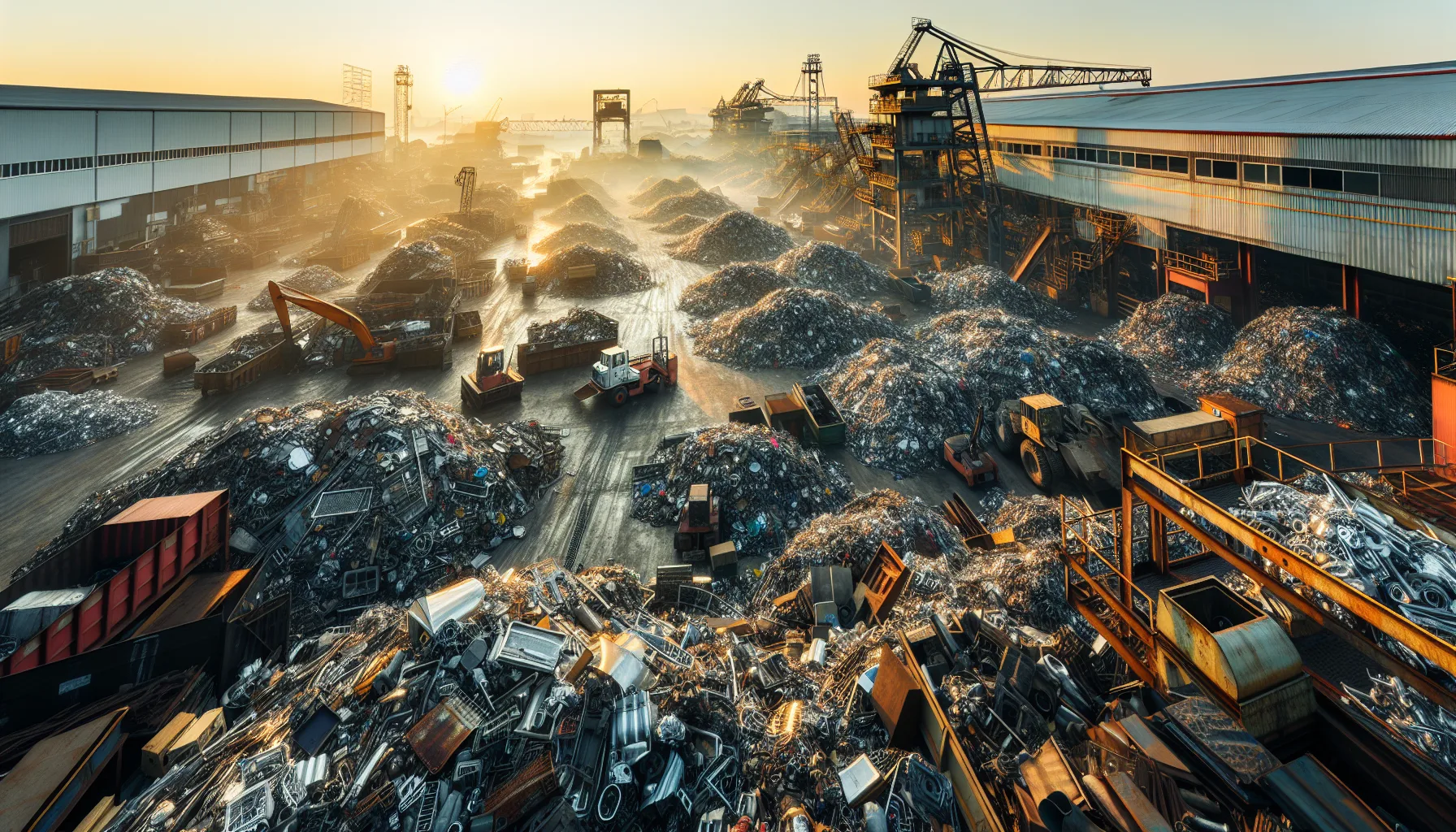
The scrap metal market in St. John's operates within a complex web of global economic forces that directly impact scrap metal prices today. While you might think local pricing depends only on regional supply and demand, the reality is far more interconnected. Global manufacturing trends, international trade policies, and currency fluctuations all trickle down to affect what you'll receive for your copper, aluminum, and steel right here in Newfoundland and Labrador.
Understanding these connections helps you time your sales better and maximize returns from your scrap materials. When global demand surges for construction materials or automotive parts, local scrap yards in St. John's feel the ripple effects within weeks.
How Global Manufacturing Drives Local Scrap Demand
Manufacturing activity worldwide creates the foundation for scrap metal pricing across Canada. When major economies like China, the United States, or European Union ramp up production, they consume massive quantities of raw materials. This increased demand pushes up commodity prices globally, including the metals you're looking to sell.
St. John's scrap dealers respond quickly to these market shifts. If global steel production increases due to infrastructure projects abroad, local steel prices climb accordingly. The same principle applies to copper demand from renewable energy projects or aluminum needs from the aerospace industry.
The SMASH Scrap — where verified buyers bid on your metal platform connects you directly with buyers who track these global trends. Rather than guessing market conditions, you receive competitive bids based on real-time international pricing data.
Regional factors also play a role. Newfoundland and Labrador's mining and energy sectors create local demand patterns that can sometimes buck global trends. When offshore oil activity increases or mining operations expand, regional scrap consumption may rise even during global downturns.
Currency Exchange Impact on Canadian Scrap Metal Prices
The Canadian dollar's strength against other currencies significantly affects scrap metal prices today. Most global commodity trading occurs in US dollars, so when the Canadian dollar weakens, our scrap becomes more attractive to international buyers. This increased export demand typically drives up local prices.
Conversely, a strong Canadian dollar can depress scrap prices as our materials become more expensive for foreign purchasers. This currency relationship explains why scrap prices in St. John's sometimes move independently of local supply and demand fundamentals.
Smart sellers monitor exchange rates alongside metal prices. A weakening loonie might signal an opportune time to sell, while currency strength could suggest waiting for better conditions. Platforms that help you sell scrap metal online often provide market timing insights based on these currency movements.
The Bank of Canada's monetary policy decisions also influence scrap pricing indirectly. Interest rate changes affect industrial activity, construction spending, and ultimately metal consumption patterns that filter down to local markets.
International Trade Policies and Tariff Effects
Trade agreements and tariff policies between Canada and major trading partners create significant pricing pressures in the scrap market. When countries impose tariffs on raw materials or finished metal products, it shifts global trade flows and affects pricing structures.
Recent trade developments have particularly impacted steel and aluminum markets. These policy changes influence which countries buy Canadian scrap and at what prices. St. John's sellers benefit when trade policies favor Canadian exports, but face headwinds when international barriers emerge.
The emergence of more sophisticated B2B scrap metal marketplace platforms helps sellers navigate these complexities. Instead of relying on single local buyers who may not track international developments, online marketplaces connect you with multiple buyers who understand global trade dynamics.
Environmental regulations in major economies also affect demand patterns. When countries implement stricter recycling mandates or carbon reduction policies, it often increases demand for recycled metals over virgin materials, boosting scrap prices globally.
Economic Cycles and Timing Your Scrap Sales
Global economic cycles create predictable patterns in scrap metal demand. During economic expansions, construction and manufacturing activity increases worldwide, driving up metal consumption and prices. Recessions have the opposite effect, reducing industrial demand and pressuring prices downward.
Understanding these cycles helps optimize your selling strategy in St. John's. Economic indicators like global PMI (Purchasing Managers' Index) data, construction spending reports, and automotive production statistics all provide clues about future price directions.
Seasonal patterns also matter. Spring construction seasons typically boost steel and copper demand, while automotive production cycles affect aluminum and platinum group metals from catalytic converters. Timing major cleanouts or equipment replacements around these patterns can significantly impact returns.
The key is staying informed without getting overwhelmed by market complexity. When you find the best Canadian scrap metal prices today, you're already taking advantage of current market conditions rather than guessing about timing.
Technology and Innovation Effects on Scrap Demand
Technological advances worldwide create new demand sources for specific metals while reducing others. The electric vehicle revolution has dramatically increased lithium, cobalt, and high-grade copper demand. Solar panel production boosts silver consumption. These tech-driven demand shifts directly impact scrap pricing.
In St. John's, these trends affect everything from old electrical wiring values to catalytic converter prices. Junk car removal Newfoundland and Labrador services now focus heavily on hybrid and electric vehicle components because global battery recycling demand has made certain materials much more valuable.
The renewable energy transition also creates new scrap streams. Wind turbine decommissioning produces large quantities of steel and rare earth metals. Solar panel end-of-life recycling is becoming a significant copper source. These emerging markets add complexity but also opportunity to the scrap landscape.
SMASH and similar platforms help sellers understand which materials are experiencing tech-driven demand increases. Rather than treating all scrap as generic commodity, modern sellers can identify high-value components that deserve special handling.
Staying connected to market intelligence becomes crucial in this environment. Whether you check current Canadian scrap metal prices or read the latest Canadian scrap metal pricing guides, regular market monitoring helps you capitalize on technology-driven price movements.
Frequently Asked Questions
Q: How quickly do global economic changes affect scrap metal prices in St. John's?
Global market changes typically impact local scrap prices within 1-3 weeks. Major economic announcements or commodity price shifts filter through supply chains quickly, with local dealers adjusting their purchase prices accordingly.
Q: Should I wait for better global economic conditions to sell my scrap metal?
Market timing is difficult and risky. Current fair pricing often beats waiting for potentially better future conditions. Focus on getting competitive bids today rather than trying to predict global economic trends.
Q: How does the Canadian dollar exchange rate specifically affect copper and aluminum prices?
A weaker Canadian dollar typically increases copper and aluminum scrap prices because these metals become cheaper for international buyers. A 10% currency decline might boost local prices by 5-8%, though other factors also influence final pricing.
Q: Do global supply chain disruptions affect scrap metal availability and pricing?
Yes, supply chain issues often increase demand for recycled materials as manufacturers struggle to obtain virgin metals. This typically pushes scrap prices higher during disruption periods.
Q: How do international environmental policies impact local scrap metal demand?
Global carbon reduction commitments and recycling mandates increase demand for recycled metals over virgin materials. These policies generally support higher scrap prices by expanding the market for recycled content.
Understanding global economic influences helps you make better decisions about when and how to sell your scrap materials. While you can't control international markets, you can position yourself to benefit from favorable conditions. Get the best Canadian scrap metal prices — check rates at best-scrap-prices.ca to see current market conditions and connect with buyers who understand these global dynamics.