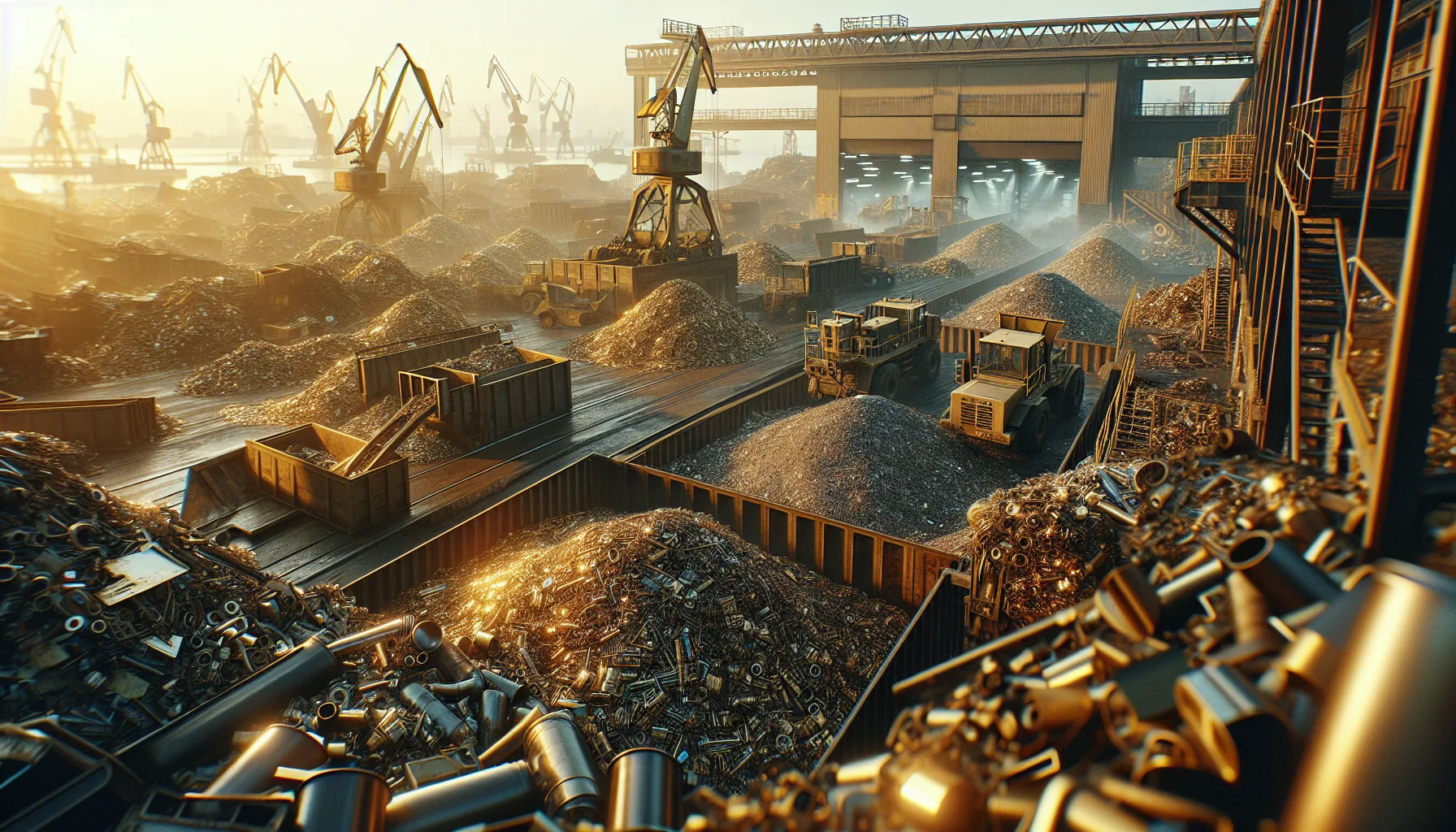
Understanding Brass and Bronze: Valuable Scrap Metals Worth Finding
Brass and bronze represent some of the most valuable non-ferrous metals you can find when searching for scrap metal prices today. These copper alloys command premium prices at recycling centers across Canada, making them excellent targets for scrappers looking to maximize their returns. Unlike steel or aluminum, brass and bronze maintain consistently high values due to their copper content and specialized applications in manufacturing.
Both metals share copper as their primary component, but differ in their secondary alloys. Brass combines copper with zinc, while bronze mixes copper with tin or other metals like aluminum and phosphorus. This distinction affects their market value and helps determine the scrap metal prices Canada dealers offer.
In Vancouver and throughout British Columbia, brass and bronze scrap generates significant revenue for informed collectors who know where to look and how to identify these valuable materials. The key lies in understanding their common applications and learning to spot them in everyday items.
Where to Find Brass Scrap in Vancouver
Brass appears in countless household and industrial applications, making it one of the most accessible valuable metals for scrappers. Plumbing fixtures represent the largest source of brass scrap in residential settings. Faucets, valves, pipe fittings, and water meters contain substantial amounts of brass that retain value even when damaged or outdated.
Musical instruments provide another excellent source of brass scrap. Trumpets, trombones, saxophones, and tubas contain high-grade brass worth significantly more than common scrap. Even damaged instruments that cannot be repaired maintain value for their metal content. Check with local music stores, schools, and repair shops for instruments beyond restoration.
Hardware and fasteners offer smaller but consistent sources of brass. Door handles, hinges, decorative hardware, and marine equipment frequently use brass for its corrosion resistance. Nautical applications are particularly valuable in coastal areas like Vancouver, where brass components resist saltwater corrosion better than other metals.
Industrial equipment provides larger quantities of brass scrap. Radiators from older vehicles, heat exchangers, electrical components, and machinery housings often contain brass elements. Construction sites, HVAC contractors, and automotive shops generate steady supplies of brass-containing materials.
Identifying Bronze Sources and Applications
Bronze proves more challenging to find than brass but commands higher prices when located. Sculptures and artistic pieces represent the most obvious bronze sources, though these require careful consideration of their historical or artistic value before scrapping. Many municipalities and property owners appreciate notification before removing bronze fixtures that might have significance beyond their metal value.
Marine applications utilize bronze extensively for propellers, fittings, and underwater components. Boat yards, marinas, and ship repair facilities in Vancouver generate bronze scrap from maintenance and replacement operations. Props from larger vessels contain substantial amounts of bronze worth significant money.
Industrial bearings and bushings frequently use bronze for its self-lubricating properties. Heavy machinery, printing presses, and manufacturing equipment contain bronze components that require periodic replacement. Establishing relationships with maintenance departments at manufacturing facilities can provide access to these valuable materials.
Architectural elements like bells, plaques, and decorative features often use bronze for durability and appearance. Churches, schools, and historic buildings occasionally replace or restore bronze elements, creating opportunities for scrappers to find the best Canadian scrap metal prices today.
Current Market Pricing and Value Factors
Understanding the factors that influence brass and bronze pricing helps maximize returns when selling these materials. Copper content directly correlates with value, making high-copper alloys more valuable than those with significant zinc or other base metal additions. Clean, separated metals command premium prices compared to mixed or contaminated materials.
Market conditions in 2026 show strong demand for copper-based alloys due to infrastructure projects and renewable energy installations across Canada. This demand supports higher scrap metal prices Canada for brass and bronze compared to previous market cycles. Vancouver's position as a major port enhances local demand from shipping and marine industries.
Quality grades significantly impact pricing. Clean brass tubing commands higher prices than mixed brass hardware. Similarly, clean bronze turnings from machining operations receive premium rates compared to oxidized or contaminated bronze. Sorting materials by grade and removing non-metallic attachments increases value substantially.
Platforms like SMASH make it easier to compare pricing from multiple buyers, ensuring you receive competitive rates for your brass and bronze scrap. Rather than accepting the first offer from a local dealer, using a scrap metal auction platform allows multiple buyers to compete for your materials, typically resulting in higher payouts.
Timing also affects pricing. Monthly and seasonal variations in demand can impact the rates buyers offer. Staying informed about market trends through resources that help you check current Canadian scrap metal prices enables better timing decisions for your sales.
Preparation and Processing Tips for Maximum Value
Proper preparation significantly increases the value of brass and bronze scrap. Start by separating these materials from other metals and removing non-metallic attachments. Steel screws, plastic fittings, and rubber gaskets reduce the purity and lower the price buyers will pay.
Clean materials command higher prices than dirty or corroded pieces. Wire brushing removes surface oxidation and reveals the true metal underneath, helping buyers accurately assess quality. However, avoid aggressive cleaning methods that might remove metal or damage valuable pieces.
Sorting by alloy type maximizes returns. Separate yellow brass from red brass, and distinguish bronze from brass entirely. Even within bronze categories, different alloys command different prices. Phosphor bronze typically brings higher prices than standard tin bronze due to its specialized applications.
Accumulating sufficient quantities before selling improves pricing leverage. Buyers prefer dealing with larger lots that justify their time and transportation costs. Building relationships with other scrappers or contractors can help accumulate enough material to command attention from serious buyers who need to sell scrap metal near me Vancouver operations.
Documentation helps when selling high-value materials. Maintaining records of where materials originated and their approximate composition assists buyers in pricing and helps establish trust for future transactions. Professional buyers appreciate sellers who understand their materials and can provide relevant information.
Maximizing Your Brass and Bronze Scrap Returns
Successfully selling brass and bronze scrap requires understanding both the materials and the market. SMASH scrap platforms connect sellers with multiple competing buyers, creating auction environments that drive prices higher than traditional single-buyer transactions. This competitive bidding particularly benefits sellers with higher-value materials like brass and bronze.
Building knowledge about different brass and bronze alloys improves identification skills and pricing awareness. Learning to distinguish between different grades helps avoid selling premium materials at standard rates. This knowledge becomes particularly valuable when dealing with specialized alloys used in marine or aerospace applications.
Timing sales to market conditions maximizes returns. Monitoring scrap metal recycling British Columbia trends and global copper markets provides insight into optimal selling times. Strong construction activity and infrastructure spending typically support higher prices for copper-based alloys.
Networking with other scrappers and industry professionals creates opportunities to learn about new sources and market developments. Joining local recycling associations or online communities provides access to valuable information about pricing trends and material sources throughout Vancouver and British Columbia.
The scrap metal market rewards preparation and knowledge. Understanding where to find brass and bronze, how to prepare these materials properly, and when to sell maximizes your returns. Whether you're collecting materials as a side business or processing them professionally, staying informed about market conditions and using competitive platforms ensures you receive fair pricing for your valuable brass and bronze scrap. For the most current rates and to connect with competitive buyers, you can read the latest Canadian scrap metal pricing guides and get competitive bids for your scrap in Canada. Get the best Canadian scrap metal prices — check rates at best-scrap-prices.ca.
Frequently Asked Questions
Q: What's the difference between brass and bronze scrap prices today?
Bronze typically commands higher prices than brass due to its tin content and specialized applications. Current market rates show bronze selling for 15-25% more than brass, though exact pricing depends on alloy composition and market conditions. Both metals maintain premium values compared to common scrap metals like steel or aluminum.
Q: Where can I sell brass and bronze scrap metal near me in Vancouver?
Vancouver offers multiple options including traditional scrap yards, specialty metal dealers, and online auction platforms like SMASH. Online platforms often provide better pricing through competitive bidding, while local dealers offer immediate payment and no shipping costs. Compare options to find the best rates for your specific materials.
Q: How do I identify brass versus bronze in scrap metal?
Brass typically has a yellow-gold color due to zinc content, while bronze appears more reddish-brown from its tin or aluminum alloys. Brass also tends to be lighter than bronze. When in doubt, most recyclers can test materials with handheld analyzers to determine exact composition and appropriate pricing.
Q: What preparation increases brass and bronze scrap values?
Remove all non-metallic attachments like plastic, rubber, or steel components. Sort materials by type and cleanliness level. Clean materials with wire brushing if needed, but avoid aggressive methods that remove metal. Accumulate larger quantities before selling to improve pricing leverage with buyers.
Q: Are brass and bronze prices stable in the Canadian scrap market?
Brass and bronze prices fluctuate with global copper markets and economic conditions, but generally remain more stable than ferrous metals. Infrastructure spending and renewable energy projects in 2026 support strong demand. Check current rates regularly as prices can change weekly based on commodity market movements and local supply conditions.