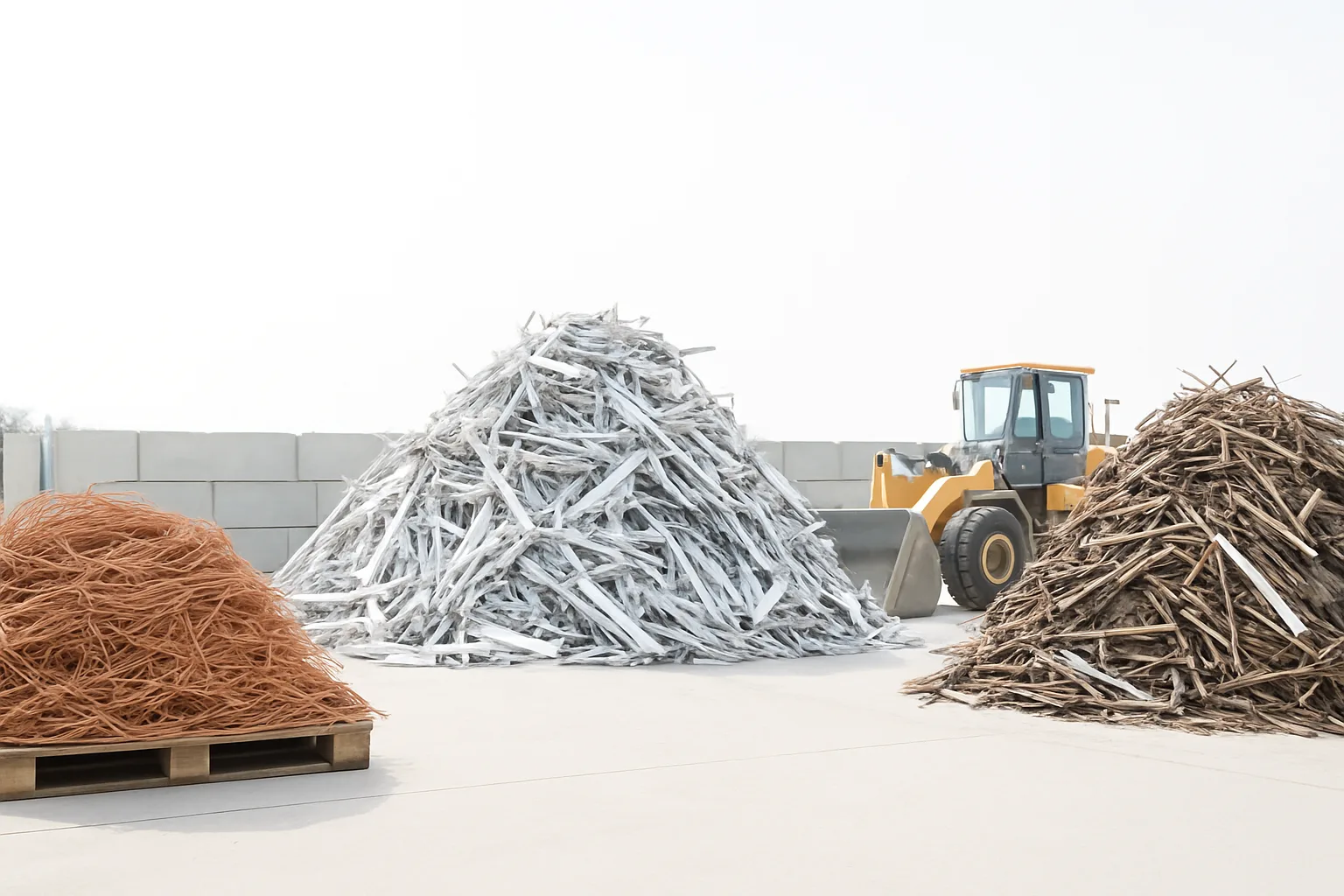
Why Sorting Your Scrap Metal Before You Sell Is Worth the Extra Hour
Most yards pay you less the moment you pull up with a mixed load. Not because they're trying to lowball you — because they have to. Unsorted scrap takes more time to process, so buyers price in the uncertainty. If you're selling scrap in Vancouver and leaving the sorting to the yard, you're leaving money on the table. Scrap metal prices today vary significantly by metal type, grade, and cleanliness. Knowing how to prep your load changes what you walk away with.
This guide is for sellers in British Columbia who want to stop guessing and start getting paid properly. Whether you're clearing out a renovation job, scrapping a vehicle, or moving commercial loads, the fundamentals are the same: sort well, document everything, and sell into competition — not just to whoever picks up the phone.
Understand What You Have Before You Move Anything
The first mistake most sellers make is hauling everything to one spot before they know what's in the pile. Walk the load first. Separate by metal type as you go. The broad categories you're working with are ferrous (iron and steel) and non-ferrous (copper, aluminum, brass, stainless steel, lead, and more). Non-ferrous pays significantly more per pound — that gap matters when you're moving volume.
A magnet is your cheapest tool for this job. If it sticks, it's ferrous. If it doesn't, you're holding something worth sorting out and pricing separately. Here's a quick breakdown of what you're likely finding:
- Copper: Wire, pipe, motors, transformers. Copper scrap price today fluctuates with global commodity markets, but it consistently ranks among the highest-value metals per pound. Strip wire if you can — bare bright pays more than insulated.
- Aluminum: Extrusions, cast, sheet, rims, cans. Grades matter. Painted or coated aluminum pays less than clean extruded.
- Brass: Fittings, valves, taps. Heavy and valuable. Often mixed in with copper loads — keep it separate.
- Stainless steel: Appliances, kitchen equipment, industrial pipe. Check the grade if you can — 304 and 316 price differently.
- Steel and iron: The backbone of most loads. Lower price per pound, but often the highest volume.
- Catalytic converters: High-value, complex, and worth special attention (more on this below).
Knowing what you have before you quote is the difference between confident negotiation and accepting whatever a buyer offers. Find the best Canadian scrap metal prices today before you commit to a sale — market data gives you leverage.
How to Prepare Each Metal for Maximum Scrap Value
Sorting is step one. Preparation is what actually moves the needle on price. Clean, uncontaminated material is easier to process and more attractive to buyers — which means you get paid more and the transaction moves faster.
Copper wire: Strip insulation where possible. Bare bright copper is the top grade. Insulated wire sells at a discount because processors have to strip it themselves. If you're dealing with large volumes, a wire stripper pays for itself quickly.
Aluminum: Remove steel bolts, attachments, and plastic inserts before weighing. Mixed aluminum with foreign material drops to a lower grade automatically. Rims should be clean and free of tire material. Sheet aluminum should be free of paint where practical.
Copper pipe: Cut to reasonable lengths. Remove fittings if they're brass — weigh them separately and sell them as brass, not copper. Your payout improves.
Steel and iron: Consolidate where possible. Loose, mixed steel costs more to handle. Bundle rebar, stack sheet, palletize small pieces. Buyers reward loads that are easy to move and weigh accurately.
Stainless steel: Keep it clean and separated by grade if you know it. 304 and 316 are the most common grades in commercial scrap. Don't mix stainless with regular steel — it tanks the value of the whole pile.
Documentation helps too. Photo your load before it leaves your yard. Weight tickets, condition notes, and photos protect you in disputes and build your reputation with repeat buyers. Platforms like SMASH make this easy — inventory tools, photo documentation, and serial tracking are built in, not bolted on as an afterthought.
Catalytic Converters: The High-Value Load That Needs Its Own Process
If you're handling end-of-life vehicles in Vancouver or across British Columbia, you're likely sitting on catalytic converters. These parts contain platinum, palladium, and rhodium — precious metals with real market value. They're also one of the most frequently underpriced items in scrap because sellers don't know what they have.
The old way was to call a single buyer and accept whatever they offered. You had no baseline, no comparison, and no way to know if the number was fair. The smart approach now is to document every converter with VIN or serial number, photograph it, and sell it into a competitive bidding environment. A catalytic converter auction format means multiple vetted buyers see your inventory and bid on it — not just one buyer with a phone offer and no accountability.
SMASH supports this exact process. VIN lookup and serial tracking let you build a documented inventory. Vetted buyers compete for your load. You see the bids, you accept what works for you, and the transaction is recorded. No more wondering if the price was fair — the market tells you. Sell your scrap metal on SMASH Recycling and let buyers compete for your load.
Sell Scrap Metal Near Me Vancouver: Finding the Right Buyer Matters as Much as Price
Vancouver has a strong recycling infrastructure. There are yards across the Lower Mainland and the broader British Columbia region that buy a wide range of materials. But proximity isn't the whole story. The yard closest to you isn't always the one paying best today. Prices shift with commodity markets, yard capacity, and what each buyer currently needs to fill their outgoing loads.
If you're trying to sell scrap metal near me Vancouver and just calling the first yard you find, you're not doing price discovery — you're doing convenience shopping. That's fine for a small residential load. It's expensive for anything with real volume. For commercial loads, demolition hauls, or high-value non-ferrous, shopping your load to multiple buyers makes a measurable difference.
This is exactly the gap SMASH fills. Instead of calling yards one at a time and hoping the third call beats the first, you list your load, vetted buyers across North America see it, and the bids come to you. It's not magic — it's what competition actually looks like in practice. Read the latest Canadian scrap metal pricing guides to stay sharp on what your material is worth before you sell.
A few practical tips for Vancouver sellers specifically:
- Check Vancouver scrap metal services to find local buyers and current area pricing.
- Know your load weight before you go — most commercial loads are worth calling ahead on.
- For catalytic converters and non-ferrous, always get at least two quotes before committing.
- Ask buyers specifically about their grading standards — different yards grade the same material differently.
Scrap Metal Prices Today: What Moves the Numbers
Scrap metal prices today in Canada don't live in a vacuum. They're tied to global commodity exchanges, the Canadian dollar, manufacturing demand, and seasonal patterns. Copper tracks closely with construction and electrical demand. Aluminum follows automotive and aerospace cycles. Steel is heavily influenced by infrastructure spending and mill capacity.
In practical terms, this means the price you got three months ago may not be what you'll get today. Checking current rates before you sell isn't just smart — it's the baseline for not getting taken advantage of. Check current Canadian scrap metal prices to get a real-time picture of where the market sits before you pick up the phone or load the truck.
A few things to watch that affect scrap metal prices in British Columbia:
- USD/CAD exchange rate: Many scrap transactions are priced in USD and converted. A weaker Canadian dollar can push domestic prices up.
- Port activity: Vancouver is a major export port for scrap. When export demand is strong, local buyers pay more to compete for supply.
- Seasonal demand: Construction activity peaks in summer in BC, which drives up demand for steel and copper scrap from demo and renovation jobs.
- LME and COMEX prices: The London Metal Exchange and New York COMEX set benchmark prices that Canadian yards use as their baseline.
Disclaimer: Scrap metal prices fluctuate daily based on commodity markets and local conditions. Always confirm current rates with your buyer or platform before finalizing any transaction.
The No-Subscription, No-Guessing Way to Sell
Here's what SMASH is built around: you shouldn't need a subscription to access a fair market. You shouldn't have to cold-call buyers and hope they're honest. And you shouldn't have to guess whether your load is priced right. The old model — one buyer, one phone call, take it or leave it — works in the buyer's favor, not yours.
SMASH runs on a simple structure. No subscription fees. No barrier to listing. We only make money when you make a sale. That's the alignment that makes the model honest. Vetted buyers, competitive bids, auto-invoicing, and full documentation from inventory to settlement. For sellers moving SMASH scrap — whether it's a load of copper, a pile of cats, or a mixed non-ferrous haul — the process is the same: list it, let buyers compete, and close the deal you're comfortable with.
If you're ready to stop leaving money on the table, start with good sorting habits, build your documentation process, and sell into competition instead of convenience. The market for scrap metal recycling British Columbia is active — you just need to be in the right room when buyers are bidding. Get the best Canadian scrap metal prices by checking current rates at best-scrap-prices.ca — then sell smart.
Frequently Asked Questions
Q: What scrap metal is worth the most money in Vancouver today?
Non-ferrous metals consistently pay the most per pound. Copper, brass, and catalytic converters are typically at the top of the value ladder. Within copper, bare bright wire and clean copper pipe grade highest. Catalytic converters contain precious metals (platinum, palladium, rhodium) and can be among the highest-value individual items in a scrap load — especially if sold through a competitive auction rather than a single quote.
Q: How do I know if I'm getting a fair scrap metal price today?
The best way is to check commodity-based market data before you sell, then compare quotes from at least two or three buyers. Platforms like SMASH put your load in front of multiple vetted buyers simultaneously, so you see what the market actually offers rather than relying on one buyer's word. Checking current rates at best-scrap-prices.ca before you negotiate gives you a solid baseline.
Q: Does it matter if my scrap is dirty or mixed?
Yes — significantly. Mixed or contaminated loads are downgraded by buyers because they take more time and cost to process. Clean, sorted material commands better prices. Stripping copper wire, removing steel attachments from aluminum, and separating brass from copper can meaningfully increase what you get paid per pound.
Q: Can I sell catalytic converters separately in British Columbia?
Yes. Catalytic converters should always be sold separately from bulk scrap — they contain precious metals that price completely differently from steel or even copper. In British Columbia, documentation requirements around catalytic converter sales have tightened in recent years, so make sure you have vehicle ownership records or purchase documentation. A platform like SMASH that supports VIN tracking and serial documentation makes this process cleaner and more defensible.
Q: How often do scrap metal prices change in Canada?
Prices can shift daily, sometimes more than once. Copper, aluminum, and precious metals all track live commodity exchanges. Canadian yard prices typically update weekly, but they move in real time with the market. If you're planning to sell a significant load, check prices the day of — not based on a quote from last week. Always confirm current rates before any transaction.
---Stay ahead of the market — follow SMASH on LinkedIn for regular scrap metal market updates, pricing insights, and industry news across North America.