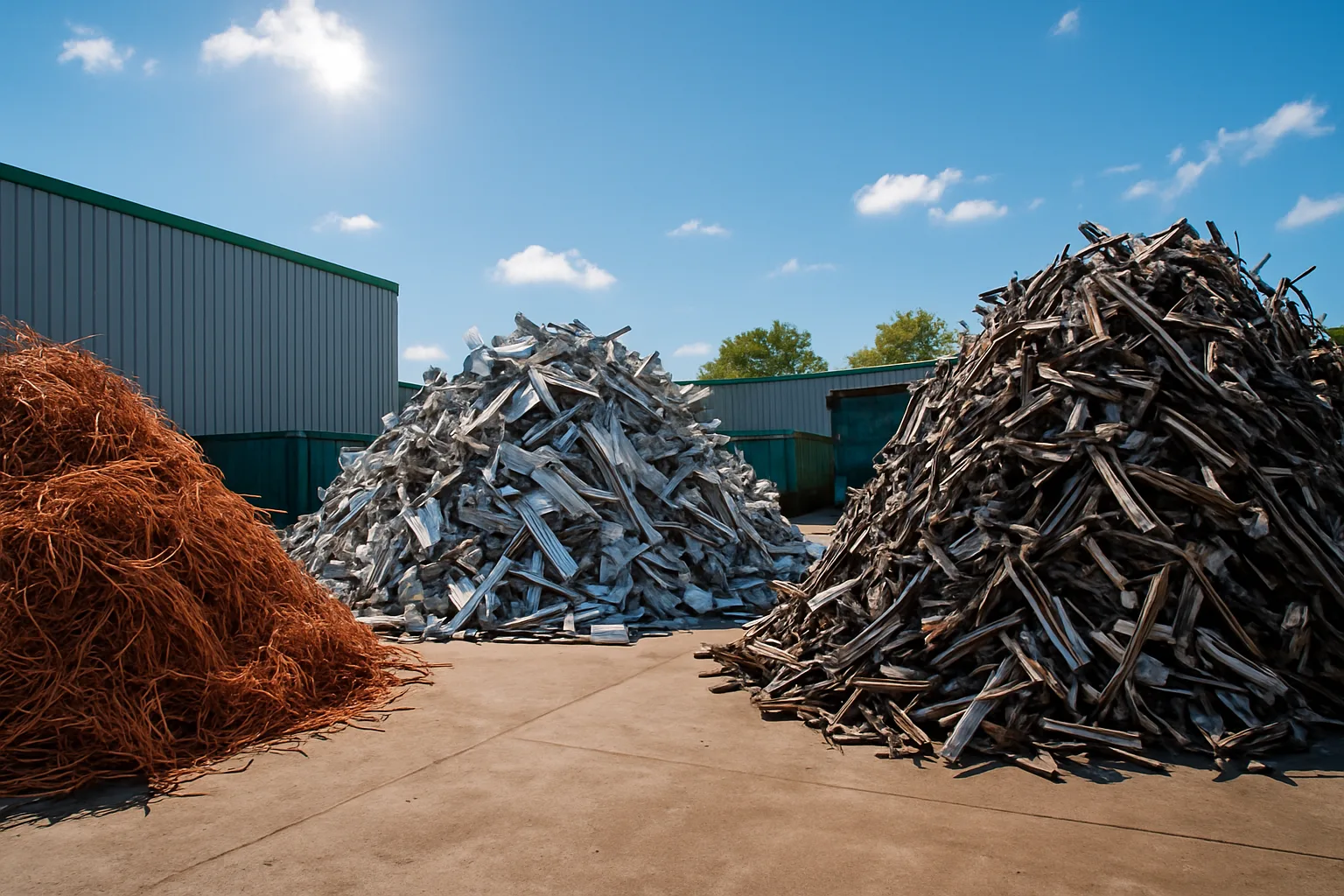
What's Actually Inside Your Old Radiator — And Why Scrap Yards Want It
Most people toss a failed radiator or dead alternator in the back of the truck without thinking twice. But those parts carry real metal value — and if you're not getting competitive offers, you're leaving money on the table. The aluminum scrap price today makes auto parts like radiators, alternators, and starters worth more than many sellers realize.
This isn't a generic recycling overview. This is a breakdown of what's inside common auto parts, what metals come out of them, and how to make sure you're getting paid what the market actually supports — especially if you're selling scrap in Surrey or anywhere across British Columbia.
The Metal Breakdown: What's Inside Common Auto Parts
When a mechanic pulls a radiator off a vehicle, what leaves with it isn't just one metal — it's usually a combination. Understanding the composition helps you understand the price.
Radiators are typically aluminum-core with copper or brass end tanks on older units. Aluminum radiators dominate vehicles made after the mid-1990s. They're lightweight, but they carry solid aluminum content. Copper/brass radiators from older vehicles often fetch more per pound due to the copper content, but they're less common now. A standard aluminum auto radiator can weigh anywhere from 8 to 15 pounds depending on the vehicle.
Alternators contain a mix of steel housing, copper wire windings, and aluminum components. The copper windings are the high-value element, but alternators are usually sold as a unit — either as a whole core or stripped. Stripping an alternator yourself for the copper is time-intensive, and most yards buy them whole. The price per pound will reflect the blended metal value.
Other common auto parts and their metal profiles:
- Starters — copper windings, steel housing, some aluminum
- AC compressors — aluminum body, steel components
- Electric motors — copper wire, steel laminations
- Brake calipers — aluminum or cast iron depending on the vehicle
- Wheels/rims — cast aluminum, one of the cleaner aluminum grades
- Engine blocks — aluminum (modern) or cast iron (older), significant weight
Each of these gets processed differently at a recycling facility. Knowing what you have helps you ask the right questions — and get the right price.
How Auto Parts Actually Get Recycled — The Real Process
Once auto parts arrive at a recycling yard, they don't just get thrown into a crusher. The process is more specific than that, and it directly affects how buyers grade and price what you bring in.
Radiators go through a depollution step first — any remaining coolant is drained and collected. From there, aluminum radiators get shredded or baled. The aluminum is separated from any plastic end caps or rubber hoses, either manually or through downstream processing. Copper/brass radiators get sorted separately because they command a different commodity price entirely.
Alternators and starters are typically sold as mixed cores or electric motors. At larger facilities, they run through shredders and eddy current separators that pull aluminum and copper away from the ferrous steel. The yield from each unit determines the effective price buyers are willing to pay per pound on the front end.
This is why documentation and transparency matter. A buyer who knows exactly what they're getting — grade, condition, quantity — will pay with more confidence. Platforms like smashrecycling.ca bring structure to that process by giving sellers tools to document loads properly, so buyers aren't just guessing at what they're bidding on.
Aluminum Scrap Price Today — What's Moving the Market in 2026
The aluminum scrap price today doesn't exist in a vacuum. It's tied to LME aluminum futures, energy costs, and downstream demand from the automotive and construction sectors. In 2026, the push toward electric vehicles has kept aluminum demand elevated — EVs use significantly more aluminum than combustion vehicles due to lightweighting requirements.
That's good news if you're sitting on a pile of aluminum auto parts. Cast aluminum (engine blocks, wheels, AC compressors) and extrusion-grade aluminum (clean structural pieces) are priced differently. Contaminated or mixed aluminum — like a radiator with plastic still attached — grades lower. Clean aluminum commands a premium. That's a detail worth knowing before you load the truck.
For sellers in Surrey and across British Columbia, local yard prices can vary meaningfully depending on the buyer's downstream contracts and processing capacity. The only way to know you're getting a fair number is to have more than one buyer in the conversation. That's exactly where a competitive auction format changes the outcome. More buyers means better price discovery — that's not marketing language, that's how markets work.
If you want to find the best Canadian scrap metal prices today without calling five yards individually, using a platform that aggregates vetted buyers is a faster path to a real market number.
Best Scrap Metal Prices in Surrey — What Local Sellers Need to Know
Surrey is one of the most active scrap metal markets in British Columbia. The combination of industrial activity, a dense auto dismantling corridor, and proximity to port facilities makes it a high-volume region for both ferrous and non-ferrous scrap. That volume is good for sellers — but only if you're actually accessing competitive offers.
The problem most sellers face in Surrey isn't access to yards — it's access to price competition. If you're calling one buyer and accepting their number, you're not selling at market. You're selling at whatever margin that buyer wants to protect. The best scrap metal prices Surrey sellers can get come from putting multiple buyers in competition with each other — not from loyalty to a single yard.
SMASH was built specifically to solve that problem. Instead of a single cold call and a take-it-or-leave-it offer, your load goes to multiple vetted buyers who bid competitively. No subscription. No guessing. If you want to see how that works for auto parts loads, the Surrey scrap metal services page has the local detail you need.
Whether you're moving a few radiators or clearing out a full auto dismantling inventory, the approach is the same: document what you have, get it in front of multiple buyers, and let competition do its job.
Selling Catalytic Converters and High-Value Components the Right Way
Auto recycling doesn't stop at aluminum. Catalytic converters remain one of the highest-value components on a vehicle, and the market for them is active and closely watched. If you're looking to sell catalytic converters online, documentation is everything. Serial numbers, photos, and vehicle VINs are now standard requirements from legitimate buyers — and platforms that support serial tracking make that process clean and defensible.
SMASH's platform includes VIN lookup, serial tracking, and photo documentation specifically because high-value components like cats require it. This isn't just about compliance — documented inventory gives buyers more confidence, which translates to stronger bids. A pile of undocumented converters is a hard sell. A documented, photo-verified lot with serial numbers moves faster and at better prices.
The same logic applies to copper wire, electric motors, and other non-ferrous auto components. If you want to sell scrap metal for cash and actually walk away satisfied with the number, the difference is almost always in how the load is presented and who's seeing it.
To stay current on what these components are fetching, read the latest Canadian scrap metal pricing guides for up-to-date market context across all major metal categories.
Get Paid What Your Auto Parts Are Actually Worth
The old way — one buyer, one call, one price — doesn't serve sellers. It never did. Auto parts carry mixed metals, and mixed metals require knowledgeable buyers who process volume. The only way to know you're getting a fair market price is to have real competition on your load.
Whether you're in Surrey clearing a shop yard or managing auto dismantling inventory across British Columbia, the process matters. Document your loads. Know your metal grades. Put your material in front of multiple vetted buyers. And if you want a baseline before you start, check current Canadian scrap metal prices to understand where the market sits before you make a call.
SMASH makes that competition happen without subscription fees and without the runaround. You only need it to work once to see the difference.
Frequently Asked Questions
Q: What is the aluminum scrap price today in Canada?
Aluminum scrap prices in Canada fluctuate based on LME spot prices, local supply and demand, and the grade of aluminum being sold. Cast aluminum from auto parts typically prices differently than clean extrusion or sheet aluminum. Always check current rates before selling — prices can shift week to week. Disclaimer: Prices fluctuate constantly. Check current rates at best-scrap-prices.ca before making selling decisions.
Q: How much is a scrap radiator worth in Surrey, BC?
The value of a scrap radiator in Surrey depends on whether it's aluminum or copper/brass, how clean it is, and the current metal market. Aluminum radiators are priced per pound based on current aluminum scrap rates. Copper/brass radiators carry more value per pound but are less common on modern vehicles. Getting quotes from multiple buyers gives you the most accurate picture of what your radiators are worth right now.
Q: Should I strip my alternators before scrapping them?
Stripping alternators for copper is possible, but it's labor-intensive. Most sellers get reasonable value selling them as whole units — either as cores or electric motors. If you have large quantities, it may be worth exploring whether a buyer will pay a premium for stripped copper versus the whole unit. Let the math guide that decision, not habit.
Q: Can I sell catalytic converters online in British Columbia?
Yes, and platforms like SMASH support the documentation requirements that legitimate buyers now expect — VIN data, serial numbers, and photo documentation. Selling online through a vetted platform connects you to multiple buyers and provides a transparent, documented transaction record. This protects both the seller and the buyer.
Q: What's the best way to get the highest scrap metal prices in Surrey?
The most effective method is putting your load in front of multiple vetted buyers rather than accepting the first offer you get. A competitive auction format — where buyers bid against each other — gives you real price discovery instead of a single buyer's margin-protected offer. SMASH runs exactly that kind of process, with no subscription fees for sellers.
Ready to stop guessing what your scrap is worth? The market moves fast — and getting competitive offers on your auto parts loads starts with having the right buyers in the room. Head to best-scrap-prices.ca to get current rates and connect with buyers who are actually competing for your material.
Follow SMASH on LinkedIn for regular scrap metal market updates, pricing insights, and industry news across North America.