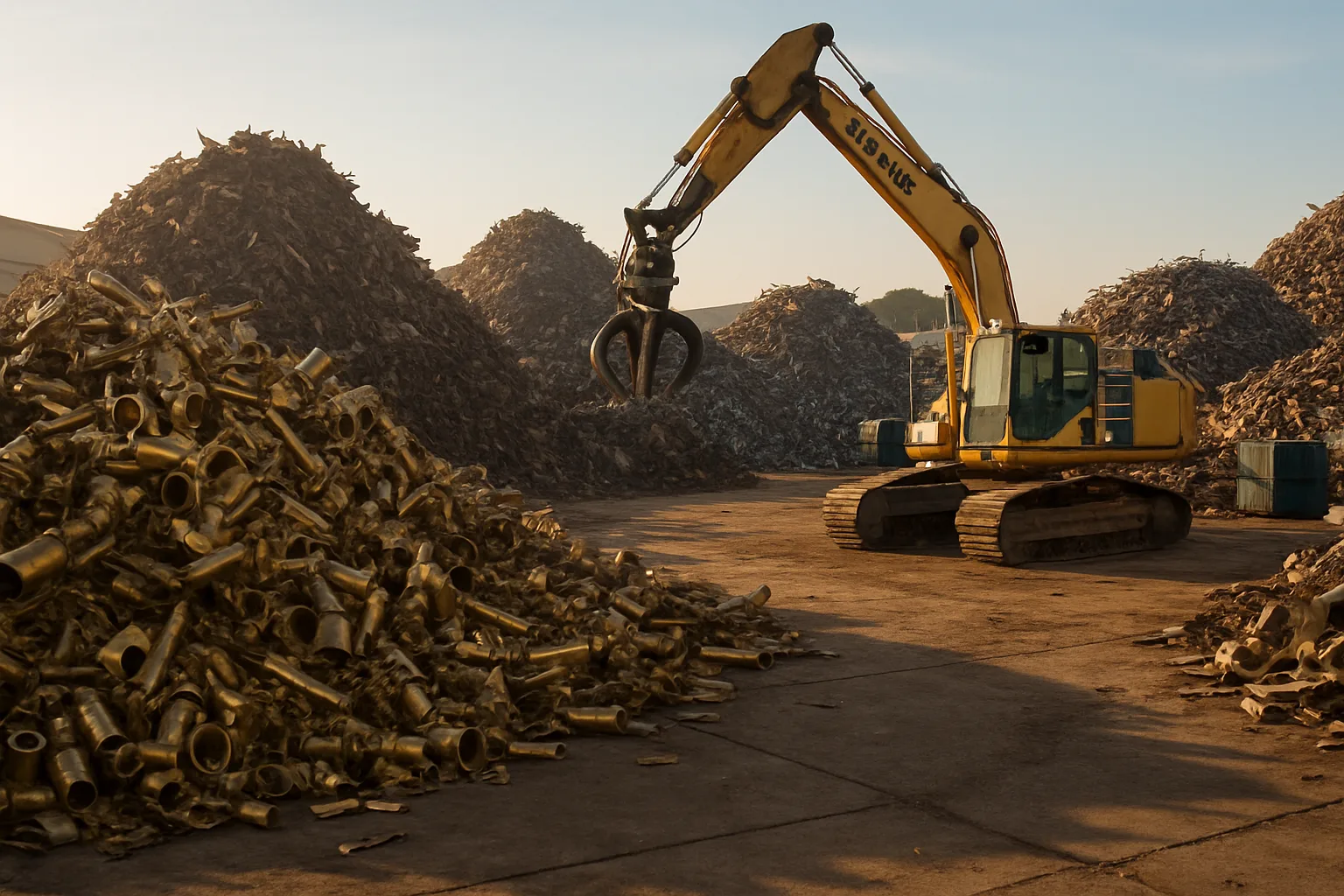
Brass and Bronze Scrap: A Quiet Profit Most Yards Leave on the Table
Most sellers walk past brass and bronze without a second thought. They're chasing copper, aluminum, or catalytic converters. That's a mistake. Brass and bronze are dense, non-ferrous, and consistently valuable — and they show up in places most people don't expect. If you're operating in a B2B scrap metal marketplace and you're not actively sorting for these alloys, you're leaving real money behind.
This guide breaks down what brass and bronze actually are, where to find them in volume, what they're worth in Canada, and how platforms like SMASH help you get competitive pricing instead of one buyer's best guess.
What Are Brass and Bronze — and Why Does the Difference Matter for Scrap Metal Prices in Canada?
Brass and bronze get lumped together constantly. They're both copper alloys, both yellowish-brown in color, and both worth good money at the yard. But they're not the same material, and serious buyers know the difference.
Brass is copper mixed with zinc. You'll find it in plumbing fittings, valves, door hardware, keys, musical instruments, and ammunition casings. It's common, consistent, and one of the easier non-ferrous metals to identify and sort.
Bronze is copper mixed primarily with tin, though some alloys include aluminum, silicon, or manganese. It's harder and more corrosion-resistant than brass. Bronze shows up in marine hardware, bushings, bearings, gears, pumps, and industrial machinery — especially in coastal markets like Victoria, where marine-grade alloys are prevalent.
Why does this matter for pricing? Because brass and bronze carry different scrap values. Yards that batch them together are estimating. Buyers in a competitive B2B scrap metal marketplace will pay more for accurately classified, documented loads. Sloppy sorting costs you money before the first bid comes in.
Where to Find Brass and Bronze Scrap in Volume
Sourcing brass and bronze in meaningful quantities takes a systematic approach. These metals don't come in bulk the way steel or aluminum does — but they accumulate fast when you know where to look.
Here are the most reliable sources:
- Plumbing contractors and renovation crews — Old plumbing tearouts are loaded with brass fittings, gate valves, ball valves, and pipe unions. A single bathroom or kitchen renovation can yield 15–30 lbs of clean brass.
- Industrial maintenance operations — Bearings, bushings, pump housings, and wear plates are often bronze. Manufacturing plants, pulp mills, and marine operations in British Columbia regularly replace these components.
- HVAC and mechanical contractors — Valves, manifolds, and pressure fittings are frequently brass. Commercial HVAC teardowns can generate significant weight.
- Marine salvage and boat yards — Victoria's marine industry is a genuine source of bronze. Propellers, through-hulls, sea cocks, cleats, and deck hardware are often naval brass or bronze alloy. These pieces are heavy and high-value.
- Ammunition and firearms dealers — Spent brass casings are a consistent source. Shooting ranges accumulate large volumes of .223, 9mm, and .308 casings that need to go somewhere.
- Electrical contractors — Terminals, grounding hardware, and older switchgear can contain brass components.
- Demolition contractors — Commercial demolition often uncovers legacy plumbing systems, boiler rooms, and mechanical spaces full of brass and bronze fittings.
Building relationships with these trades pays off. A plumber or marine maintenance crew that knows you'll pay fair and pick up on schedule will call you before they call anyone else. That consistency matters more than a single good load.
What Is Brass and Bronze Worth? Understanding Scrap Metal Prices Canada-Wide
Brass and bronze pricing in Canada tracks global copper markets, since copper is the primary component of both alloys. When copper moves, brass and bronze move with it. Prices vary by alloy grade, contamination level, and regional demand — but these metals consistently rank among the better-paying non-ferrous materials at most Canadian yards.
General pricing tiers to understand:
- Clean yellow brass (plumbing fittings, valves with no iron attached) — typically the highest brass grade
- Red brass (higher copper content, found in older plumbing and fire suppression systems) — commands a premium over yellow brass
- Mixed or dirty brass (fittings with steel nipples, rubber seals, or other attachments) — priced lower due to processing costs
- Commercial bronze / leaded bronze — varies by tin and lead content; worth sorting separately if volume justifies it
- Naval brass / marine bronze — propellers and heavy marine hardware often attract premium interest from specialty buyers
Prices fluctuate based on LME copper prices, North American supply and demand, exchange rates, and what local buyers are currently moving. Don't rely on last month's quote. Check current Canadian scrap metal prices before you commit a load to a single buyer — the spread between a competitive offer and a stale one can be significant.
Disclaimer: All scrap metal prices fluctuate with market conditions. Rates listed by any yard or platform are indicative only. Always verify current pricing before finalizing a sale.
How a B2B Scrap Metal Marketplace Changes the Game for Brass and Bronze Sellers
Here's the old way: you call the one buyer you know, they quote you a number, you take it or leave it. You have no idea if that number is fair. You don't know what the market is paying. You accept it because there's no alternative on the table.
That model costs sellers money. Not because buyers are dishonest — but because a single offer has no competitive pressure behind it. There's no reason for that buyer to sharpen their pencil.
A B2B scrap metal marketplace like SMASH changes that dynamic entirely. When you list a load of clean brass or bronze on SMASH, vetted buyers compete. Competition reveals what the market is actually paying. More buyers means better price discovery — especially for specialty materials like naval bronze or high-grade red brass that not every local yard has demand for.
SMASH also handles the documentation side. Photo documentation, inventory tools, and serial tracking mean buyers know exactly what they're bidding on. A well-documented load of sorted marine bronze from Victoria attracts more confident bids than a vague "misc non-ferrous" listing. That confidence translates to price.
Sellers across British Columbia — from Victoria to Vancouver to Prince George — are using platforms like SMASH to get away from the guessing game. Find the best price for your scrap in Canada by putting your load in front of buyers who are actively competing for it.
Sorting and Preparing Brass and Bronze Loads to Maximize Value
How you present your load matters. A clean, sorted, documented load of brass commands a better price than a mixed bin of non-ferrous material that a buyer has to figure out themselves. This is true everywhere — but it matters even more in a competitive auction format where buyers are making fast decisions.
Here's how to prepare a brass or bronze load properly:
- Separate brass from bronze. If you can identify naval bronze, bushings, or bearings, keep them apart from plumbing brass. Different alloys, different values.
- Remove iron and steel attachments. Brass valves with steel nipples are dirty brass. Pull the steel nipples, and the value jumps. Ten minutes of prep can be worth more per pound than most other sorting tasks.
- Pull out rubber and plastic. Valve stems, rubber seats, and plastic inserts kill your grade. Strip them out.
- Sort spent casings separately. Ammunition brass is its own category. Don't mix it with plumbing fittings.
- Photograph the load. Clear photos from multiple angles, including close-ups of key pieces, help buyers bid with confidence. SMASH's photo documentation tools make this straightforward.
- Estimate weight before listing. Even a rough weight estimate helps buyers assess the opportunity. Marine bronze propellers, for example — know your weights.
Yards in Victoria that work with commercial marine clients often have access to large, high-value bronze loads that are genuinely interesting to specialty buyers. Don't underestimate what proper presentation does for that kind of material.
Victoria and British Columbia: A Strong Regional Market for Non-Ferrous Scrap
Victoria's economy has always had a strong marine and industrial base. That means non-ferrous scrap — particularly brass and bronze — flows through the market here at meaningful volume. Boat yards, commercial fisheries, and industrial maintenance operations all generate material that other markets don't see as regularly.
British Columbia's recycling infrastructure is well-developed, but that doesn't mean every seller is getting the best available price. Most yards are buying for their own needs and margins. They're not necessarily offering you what a competitive market would reveal.
If you're offering Victoria scrap metal services or sourcing material in the region, building a consistent supply chain of brass and bronze from marine and industrial clients is a legitimate competitive advantage. Pair that supply with a platform that gives you market access beyond your local yard, and you're operating differently from most sellers in the region.
To stay sharp on current rates and market trends, read the latest Canadian scrap metal pricing guides — keeping up with copper market movement is the single most useful thing a brass and bronze seller can do.
If you're ready to move a load and want to know what the market will actually pay, find the best Canadian scrap metal prices today and stop leaving money on the table with a single-buyer approach.
Getting the best return on your brass and bronze starts with knowing the market — and having access to buyers who compete for your material. Check current rates and see what a competitive process looks like at best-scrap-prices.ca.
---Frequently Asked Questions
Q: How do I tell the difference between brass and bronze when sorting scrap?
Brass is typically more yellow and slightly softer — common in plumbing fittings, valves, and door hardware. Bronze tends toward a darker, more reddish-brown tone and is harder; you'll find it in bearings, bushings, and marine hardware. When in doubt, a magnet confirms both are non-ferrous (neither will stick), but a knowledgeable buyer or a quick acid test can help confirm alloy type on valuable pieces.
Q: Is it worth sorting brass and bronze separately before selling?
Yes — consistently. Sorted, clean brass and bronze loads attract better bids in a B2B scrap metal marketplace than mixed non-ferrous bins. The time spent separating alloys and removing iron attachments typically returns more per pound than almost any other prep task. Buyers pay for clarity and confidence.
Q: What's the best way to sell brass and bronze scrap in Victoria?
Local yards are one option, but a competitive auction platform gives you access to vetted buyers across North America who are actively looking for quality non-ferrous loads. Platforms like SMASH let buyers compete for your material, which helps reveal what the market is actually paying rather than what one local buyer is willing to offer that day.
Q: How do scrap metal prices in Canada for brass track with copper prices?
Very closely. Since brass is roughly 60–85% copper depending on the alloy, its scrap value moves directionally with LME copper prices. When copper rises, brass and bronze follow. Exchange rates between CAD and USD also affect what Canadian sellers receive, since North American scrap pricing is heavily influenced by U.S. market benchmarks.
Q: Does SMASH handle brass and bronze loads specifically, or only bulk ferrous material?
SMASH handles non-ferrous loads including brass, bronze, copper, aluminum, and specialty materials. The platform's inventory tools, photo documentation, and vetted buyer network are well-suited to higher-value non-ferrous loads where accurate classification and competitive bidding make the biggest difference to your bottom line.
Follow SMASH on LinkedIn for ongoing scrap metal market insights, pricing trends, and updates from the Canadian and North American recycling industry.
```