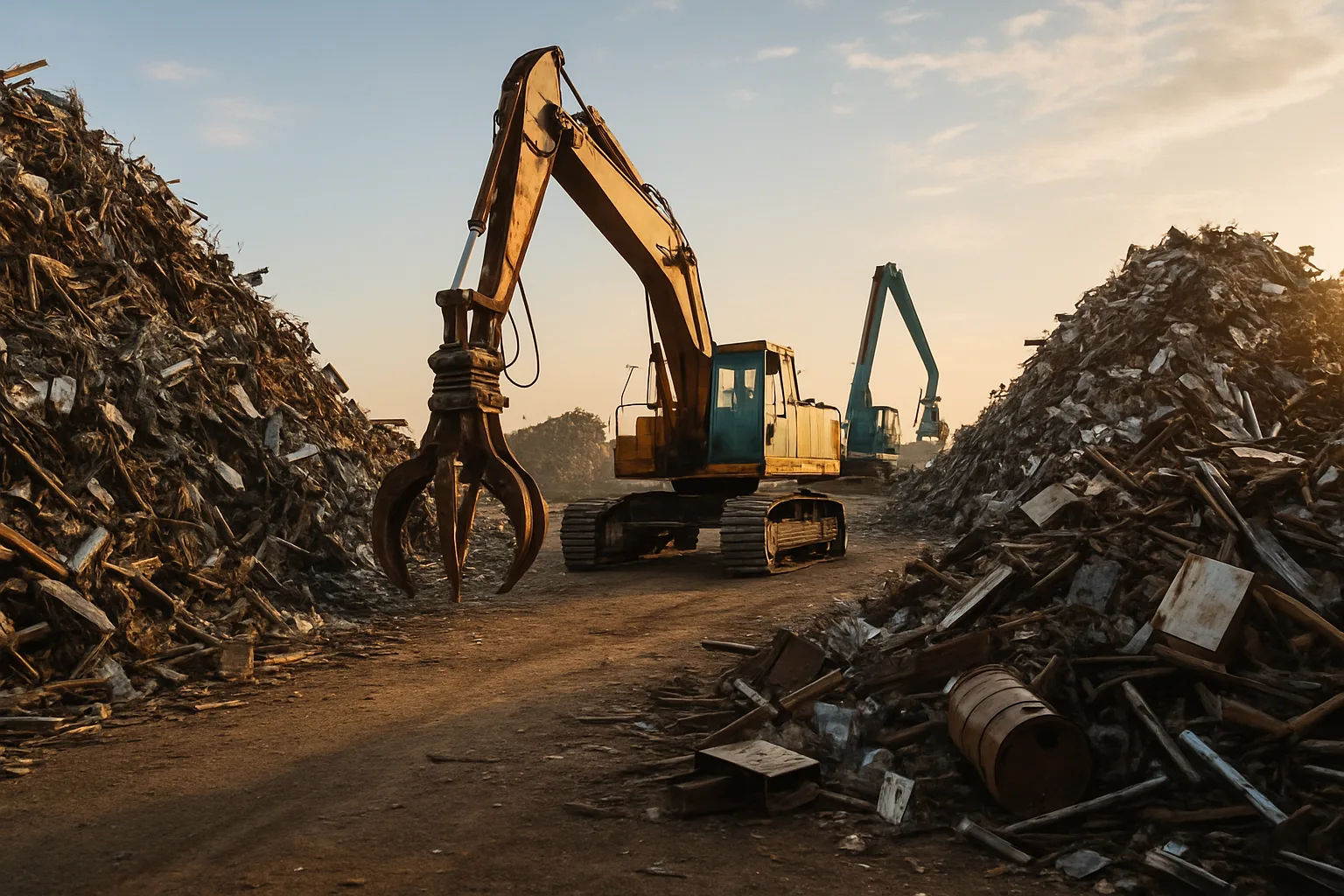
Why Environmental Rules Are Reshaping Scrap Metal Prices Today — Weekly Market Recap, June 2026
Most scrap sellers think about price per pound. Few think about the regulatory environment quietly moving that price. That's a mistake. Environmental compliance rules, provincial oversight, and tightening emissions standards are changing what recyclers can accept, how they process material, and what buyers are willing to pay — all of which directly affects scrap metal prices today.
This week's recap digs into the regulatory landscape shaping Canadian scrap markets right now, with a focus on what sellers in Laval and across Quebec need to understand heading into the second half of 2026.
The Regulatory Pressure Yards Are Feeling Right Now
Quebec's environmental oversight for scrap yards has tightened considerably over the past few years. The province's environmental quality standards under Loi sur la qualité de l'environnement require licensed scrap facilities to manage contaminated materials — used oils, refrigerants, and hazardous fluids — with documented disposal protocols. That costs money. And costs get passed somewhere.
When a yard in Laval invests in proper fluid containment, certified dismantling bays, or updated stormwater management infrastructure, operating margins compress. To stay viable, yards price their intake more selectively. They pay less for mixed, ungraded loads and more for clean, documented material. If you're bringing in a sorted, well-documented load of clean copper or clean aluminum, you're easier and cheaper to process — and that can show up in your offer.
The takeaway: clean, sorted, documented material attracts better offers. Compliance pressure on yards rewards sellers who do the prep work.
How Extended Producer Responsibility Is Affecting Scrap Metal Recycling in Quebec
Extended Producer Responsibility (EPR) programs continue to expand across Canada in 2026. Quebec has been one of the more aggressive provinces in pushing manufacturers and importers to take accountability for end-of-life materials — including electronics, vehicles, and industrial equipment that all contain recoverable metals.
What this means practically for scrap sellers:
- Electronics and e-waste — Circuit boards, power supplies, and wire harnesses from discarded electronics contain copper, gold, silver, and palladium. EPR programs create formal collection channels, but private yards often still compete for this material. Knowing the metal content of what you're selling matters more than ever.
- End-of-life vehicles — Provincial requirements around depollution (draining fluids, removing airbags, cataloguing hazardous components) apply to any facility processing vehicles. This affects how scrap metal recycling yards in Quebec price car bodies and parts.
- Industrial equipment — Sellers of industrial metal — motors, compressors, copper windings — benefit from EPR-driven demand as manufacturers scramble for documented, traceable recycled content to meet sustainability reporting obligations.
That last point is important. Corporate sustainability mandates and ESG reporting requirements are driving manufacturers to pay premiums for recycled metal with traceable origins. If you can prove your material is clean and properly sourced, it's worth more. Platforms like Canada's B2B scrap recycling marketplace, SMASH, were built partly around this reality — photo documentation, serial tracking, and VIN lookup exist because traceability has real monetary value in today's market.
Scrap Metal Prices Today: What Environmental Costs Mean for Copper, Aluminum, and Steel
Environmental compliance costs aren't abstract. They have a direct relationship with scrap metal prices today across the major commodity categories. Here's how to think about each one:
Copper
Copper remains one of the highest-value non-ferrous metals in the scrap stream. Clean #1 copper wire and bare bright copper consistently attract the strongest offers. Environmental regulations around smelting emissions have tightened globally, which slightly constrains processing capacity and can support pricing. In Canada, demand for clean copper from electrical infrastructure projects continues to be a price floor driver. Sellers in Laval with copper wire, tubing, or motors should be sorting and grading carefully — mixed or contaminated copper loads face steeper processing deductions.
Aluminum
Aluminum is the recycling sector's success story from an environmental standpoint — recycling aluminum uses roughly 95% less energy than primary production. That efficiency means strong consistent demand. Clean aluminum extrusion, cast, and sheet all move reliably. The environmental story actually helps sellers here: manufacturers under sustainability pressure actively seek recycled aluminum with documented chain of custody. If you're checking current Canadian scrap metal prices for aluminum, you'll see grades matter significantly — clean extrusion versus mixed aluminum can be a substantial price gap.
Steel and Ferrous
Steel markets in mid-2026 remain sensitive to global trade conditions and domestic mill demand. Regulations around shredder residue — the material left after auto shredding — have pushed yards toward better pre-shredding depollution. This is a cost for yards but a market signal for sellers: cleaner ferrous material flows faster and with fewer complications. HMS 1&2, shredded steel, and clean structural grades all have distinct pricing tiers. Don't assume all steel is the same.
Catalytic Converters
Cats remain a closely watched category. Platinum group metals (PGM) — platinum, palladium, rhodium — are the target. Regulatory pressure on emissions testing and vehicle recycling documentation has pushed more scrutiny onto catalytic converter transactions. Provincial and federal anti-theft regulations mean proper documentation is not optional. Serial tracking and VIN matching are now standard requirements at legitimate buyers. If you're selling cats without proper paperwork, expect rejections or heavy discounts. SMASH's serial tracking feature exists precisely to handle this compliantly.
What Sellers Near Laval Should Know About Compliance and Getting Paid Fairly
Sellers in the greater Laval area sit in a strong position geographically. The broader Montreal metro market means multiple buyers, multiple yards, and real competition for material. But competition only helps you if you can access it.
The old model — calling one buyer, taking one price, hoping it's fair — doesn't let competition work for you. Environmental compliance adds another wrinkle: buyers who run tight, compliant operations may actually offer more consistent and reliable pricing than a cash-only yard that cuts corners. Corners that get cut on compliance often get cut on seller payouts too.
Documented, photographed, properly sorted loads attract offers from more serious buyers. When you put a load in front of multiple vetted buyers simultaneously through a platform like SMASH, you let the market speak. Competition can help reveal what your material is actually worth. More buyers means better price discovery — that's not a slogan, that's basic economics applied to scrap.
For sellers looking to find the best Canadian scrap metal prices today, the regulatory environment is actually an argument for transparency and documentation, not against it.
The Broader Canadian Picture: Regulations as a Market Signal
Across Canada — from scrap metal recycling operations in Markham and the Greater Toronto Area to yards handling scrap metal pickup in Mississauga and industrial sellers across Quebec — environmental regulations are converging toward the same outcome: traceable, documented material commands better pricing and faster transactions.
The Canadian Environmental Protection Act (CEPA) continues to shape how hazardous materials within the scrap stream are handled federally, layered on top of provincial requirements. This dual-layer compliance framework means larger industrial sellers in particular need to keep documentation sharp — both for their own protection and because sophisticated buyers increasingly require it before closing a transaction.
Using a scrap metal auction platform with built-in inventory tools, photo documentation, and auto-invoicing removes the friction from compliance. You document once, the platform handles the record-keeping, and every buyer in the auction sees the same complete information. That transparency is good for compliance and good for price. To read the latest Canadian scrap metal pricing guides and stay ahead of market shifts, bookmark a reliable pricing resource and check it regularly.
Disclaimer: Scrap metal prices fluctuate based on global commodity markets, local supply and demand, and material grade. Always verify current rates with your buyer or pricing platform before making selling decisions.
The SMASH Approach to Compliance-Ready Scrap Transactions
SMASH was built for yards and sellers who are serious about doing this right. No subscription fees. No cold calls. No guessing what your load is worth based on a single buyer's word.
The platform connects sellers with vetted buyers across North America. Every load gets documented — photos, weights, grades, serial numbers where applicable. Cats get tracked by serial number. Cars and end-of-life vehicles get VIN lookup. Auto-invoicing handles the paperwork. That's not bureaucracy for its own sake — it's the infrastructure that compliant, well-run transactions require in 2026.
When environmental regulations push the industry toward transparency and documentation, SMASH already runs that way. That alignment isn't accidental.
Whether you're selling a load of clean copper wire from a Laval job site, a pallet of aluminum extrusion, or a collection of catalytic converters with full documentation — more buyers seeing your material means better price discovery. The market sets the price, not a single buyer on a Tuesday morning phone call.
Get the best Canadian scrap metal prices for your loads — check rates at best-scrap-prices.ca and see what your material is actually worth in today's market.
Frequently Asked Questions
Q: How do environmental regulations affect scrap metal prices today in Quebec?
Environmental compliance costs increase operating expenses for scrap yards, which can affect what they pay for different grades of material. Clean, sorted, and properly documented loads are cheaper for compliant yards to process — meaning they often attract stronger offers. Mixed or contaminated loads face steeper deductions to cover handling and disposal costs.
Q: Where can I sell scrap metal near me in Laval with competitive pricing?
Laval sits within the greater Montreal market, giving sellers access to multiple buyers and real competition for material. Using a platform like SMASH puts your load in front of multiple vetted buyers simultaneously, allowing competitive offers rather than a single take-it-or-leave-it quote. Check current market rates at best-scrap-prices.ca before you go so you know what to expect.
Q: Do I need documentation to sell catalytic converters in Quebec?
Yes. Provincial and federal regulations around catalytic converter sales require proper documentation — including serial numbers and vehicle identification. Legitimate buyers will require this information, and platforms like SMASH include serial tracking features to handle this compliantly. Selling without documentation exposes you to rejection or significant price penalties at reputable facilities.
Q: What is the difference between a scrap metal auction platform and a traditional scrap yard?
A traditional scrap yard gives you one price from one buyer. A scrap metal auction platform like SMASH puts your documented load in front of multiple vetted buyers who compete for it. More competition generally means better price discovery. There are no subscription fees with SMASH — the model only works when the seller gets a result.
Q: Are scrap metal prices in Canada different from U.S. prices?
Yes. Canadian scrap metal prices are quoted in CAD and reflect local market conditions including domestic mill demand, transportation costs, exchange rates, and regional supply. Global commodity benchmarks (like LME copper prices) influence Canadian rates, but your actual local price will vary by grade, volume, location, and buyer. Always check current Canadian-specific pricing before selling.
Follow SMASH on LinkedIn for weekly market updates, scrap metal pricing insights, and industry news: linkedin.com/company/scrap-metal-auction-sales-hub