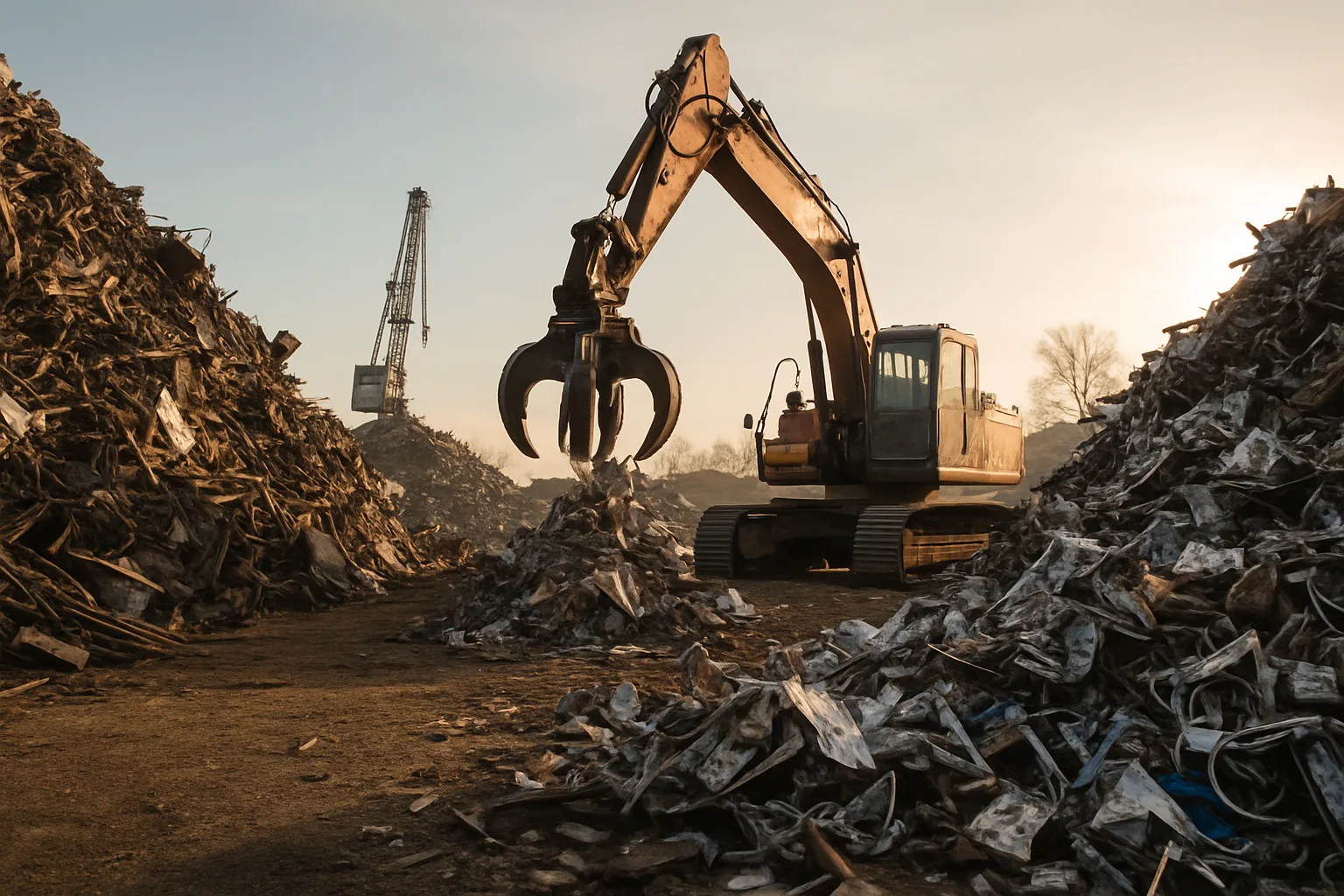
Ferrous vs. Non-Ferrous Scrap: Why the Difference Directly Affects What You Get Paid
Most sellers haul their scrap to the yard without knowing this one fact: the metal sitting in your truck bed could be worth ten times more than the stuff right next to it — and you'd never know unless you understand the difference between ferrous and non-ferrous metals. If you're trying to get the best scrap metal prices in Prince George or anywhere else in British Columbia, this distinction is where the money is.
This isn't a chemistry lesson. It's a practical breakdown of what each category earns, why prices move the way they do, and how to make sure you're not leaving money on the table when you sell.
What Makes a Metal Ferrous or Non-Ferrous?
The split is simple. Ferrous metals contain iron. Non-ferrous metals don't. That's the whole classification. But what follows from that distinction — in terms of price, demand, handling, and how buyers bid on your load — is anything but simple.
Ferrous metals include steel, cast iron, and wrought iron. You'll find them in car bodies, I-beams, appliances, rebar, and structural material from demolition work. They're magnetic, which makes sorting fast. They're also dense and heavy, which drives the economics — you're moving a lot of tonnage, but at lower price-per-pound compared to non-ferrous.
Non-ferrous metals include:
- Copper — wiring, plumbing, motors, transformers
- Aluminum — rims, extrusions, sheet, cans, casting
- Brass — fittings, valves, fixtures
- Stainless steel — commercial kitchen equipment, exhaust systems
- Lead — batteries, wheel weights
- Zinc — die-cast components, galvanized material
- Nickel — found in superalloys and some electronics
Non-ferrous metals don't rust the same way ferrous metals do, they're not magnetic (with a few exceptions), and they carry significantly higher per-pound values. That's the payoff for the extra sorting work involved.
Scrap Metal Prices in Prince George: How Ferrous and Non-Ferrous Compare
Let's talk numbers — in the context of what sellers in Prince George and across British Columbia are actually dealing with. Ferrous scrap typically moves in the range of a few dollars per hundred pounds. Steel prices fluctuate with mill demand, global iron ore prices, and how much domestic recycled content manufacturers are pulling. When infrastructure spending is active and mills are running, steel prices climb. When demand softens, they drop fast.
Non-ferrous is a different game entirely. The copper scrap price today sits at a fraction of the refined copper spot price — but even at a discount, you're looking at values that dwarf steel on a per-pound basis. Aluminum scrap varies widely by grade: painted sheet, clean extrusion, and cast aluminum all command different prices. Brass and stainless command strong premiums when properly sorted and presented clean.
The gap between what you get from a single buyer quoting you a flat rate versus what competitive bidding can reveal is especially stark with non-ferrous loads. If you have a load of mixed copper or sorted aluminum and you're calling one buyer, you're guessing. Platforms like compare scrap metal bids from Canadian buyers — that's how price discovery actually works in 2026.
Disclaimer: Scrap metal prices fluctuate daily based on commodity markets, grade, and regional demand. Always check current Canadian scrap metal prices before selling.
Why Sorting Your Metal Before You Sell Matters More Than You Think
Yards don't pay you retail on mixed loads. When you dump a mix of ferrous and non-ferrous material together, the buyer prices the whole thing as the lowest-value component — or charges you a sorting fee that eats into your return. The single most effective thing you can do to improve what you walk away with is sort your material before it leaves your site.
Here's a practical sorting priority list for sellers trying to maximize their return:
- Pull your copper first. Even small amounts of #2 copper wire or bare bright can shift your payout meaningfully. Don't let it disappear into a steel pile.
- Separate aluminum by grade. Cast, extrusion, and sheet all have different values. Mixed aluminum gets downgraded immediately.
- Keep stainless separate from regular steel. Stainless has nickel content and carries a premium — mixed in with carbon steel, you lose that entirely.
- Pull brass fittings from iron pipe. A handful of brass gate valves buried in a pile of cast iron is money left on the table.
- Battery cores, catalytic converters, and electric motors all have dedicated pricing streams — don't let them get lumped into general scrap.
Proper documentation matters here too. When buyers can see clear photos, weights by material grade, and accurate packing lists for a load, they bid with more confidence. More confidence from buyers typically means stronger bids. That's not theory — that's how auction-based selling works in practice.
How a Scrap Metal Auction Platform Changes the Price Discovery Game
The old model: you call your one buyer, take their number, load the truck, and hope you quoted close to market. There's no way to know if you left $200 or $2,000 on the table. In a city like Prince George, where your buyer pool is naturally smaller, that problem gets worse.
A scrap metal auction platform changes the equation. Instead of a single price from a single buyer, you get competing bids from vetted buyers across the region — and beyond. Competition is what reveals what your load is actually worth in the current market.
SMASH is built exactly for this. It's not a directory or a lead form — it's a real auction platform where vetted buyers compete for your loads. Whether you're moving a tonne of copper wire from an electrical job or a mixed non-ferrous load sorted off a demo site, the auction format means buyers have to sharpen their pencils to win your material. SMASH handles the documentation side too: photo uploads, serial tracking, auto-invoicing. You're not managing paperwork on top of managing metal.
If you want to understand how this works for sellers across British Columbia, you can read the latest Canadian scrap metal pricing guides — the context behind why prices move matters as much as the number itself.
Ferrous Demand Drivers vs. Non-Ferrous Demand Drivers in 2026
Understanding what moves prices in each category helps you time your sales better. Ferrous and non-ferrous respond to completely different demand signals.
Ferrous demand tracks closely with:
- North American steel mill utilization rates
- Infrastructure and construction activity
- Automotive manufacturing volume
- Import/export pricing pressure from global steel supply
Non-ferrous demand tracks with:
- Global copper futures (LME pricing)
- EV and electrical infrastructure buildout — copper demand specifically has remained strong through 2026 as grid expansion continues
- Aerospace and packaging demand for aluminum
- Currency shifts — CAD/USD movements affect what Canadian sellers see at the gate
If copper futures spike because of a supply disruption or infrastructure bill spending, that moves through to scrap copper prices within days. Steel can move slower or faster depending on whether domestic mills are managing inventory or actively buying. Knowing which levers drive your material's price is how you stop guessing and start selling strategically.
For sellers looking for Prince George scrap metal services, having access to current pricing data and a competitive selling platform is the difference between accepting whatever the yard offers and knowing you're getting fair market value.
How to Sell Scrap Metal Near You for the Best Price
If you're searching how to sell scrap metal near me for cash, here's the honest answer: the yard closest to you isn't automatically the one that pays best. Geography matters for logistics. But price discovery matters for your margin.
Here's the process that gets results:
- Sort and weigh your material before you approach any buyer. Know what you have and what grade it is.
- Document everything. Photos, weights, grade descriptions. This is what enables competitive bidding.
- Use a platform that puts your load in front of multiple vetted buyers. SMASH exists specifically for this — no subscription fees, and you only pay when a deal closes.
- Understand the current market. Check commodity trends before you sell. A week's timing difference on a copper load can move your price meaningfully.
- Know your grades. #1 copper versus #2 copper versus insulated wire are three different prices. Selling #1 as mixed because it wasn't sorted costs you real money.
Whether you're a demolition contractor clearing a job site in Prince George, an industrial facility with ongoing scrap generation, or a yard looking to move non-ferrous inventory, the approach is the same: sort well, document thoroughly, and let competition do the work of finding market price.
Ready to stop guessing what your scrap is worth? Find the best Canadian scrap metal prices today and see what competitive selling actually looks like.
Frequently Asked Questions
Q: What is the difference between ferrous and non-ferrous scrap metal prices in Prince George?
Ferrous metals like steel and cast iron typically sell by the hundredweight at relatively low per-pound rates due to their abundance and heavy volume. Non-ferrous metals like copper, aluminum, and brass command significantly higher per-pound prices. In Prince George, as anywhere in Canada, the gap between ferrous and non-ferrous payouts can be substantial — especially for sorted, documented loads sold through a competitive platform.
Q: What is the copper scrap price today in British Columbia?
Copper scrap prices fluctuate daily with LME copper futures and local buyer demand. Prices also vary by grade — bare bright copper, #1 copper, #2 copper, and insulated wire all trade at different values. Always check current rates before selling rather than relying on a quote from last week. Platforms that aggregate buyer bids give you the most accurate picture of what the market will pay right now.
Q: How do I find the best scrap metal prices near me in Prince George?
Start by sorting and documenting your material by grade. Then use a competitive platform like SMASH to put your load in front of multiple vetted buyers rather than calling a single yard. More buyer competition means better price discovery. Local proximity matters for logistics, but price discovery is what determines whether you're getting paid fairly.
Q: Is a scrap metal auction platform worth it for smaller loads?
For high-value non-ferrous material — copper, aluminum, brass, stainless — competitive bidding adds real value even on modest volumes, because the per-pound price difference between a single quote and a competitive bid can be significant. SMASH charges no subscription fees, so you're not paying to participate — you're only in the deal when the deal closes.
Q: What non-ferrous metals are most valuable in scrap recycling in British Columbia?
Copper consistently ranks at the top, followed by brass, stainless steel, and aluminum (with extrusion and clean cast grades outperforming mixed sheet). Lead-acid batteries have their own pricing stream. Catalytic converters are handled separately and priced based on PGM content. In British Columbia, the same commodity market drivers apply — but local yard competition and access to regional buyers affects the final gate price.
If you're selling scrap in Prince George or anywhere across Canada, knowing your metals is only half the equation. The other half is making sure the right buyers see your load. Find the best Canadian scrap metal prices today — and sell with data behind you, not just a phone call.
Stay ahead of market moves and pricing trends by following SMASH on LinkedIn — real scrap market insights, no filler.