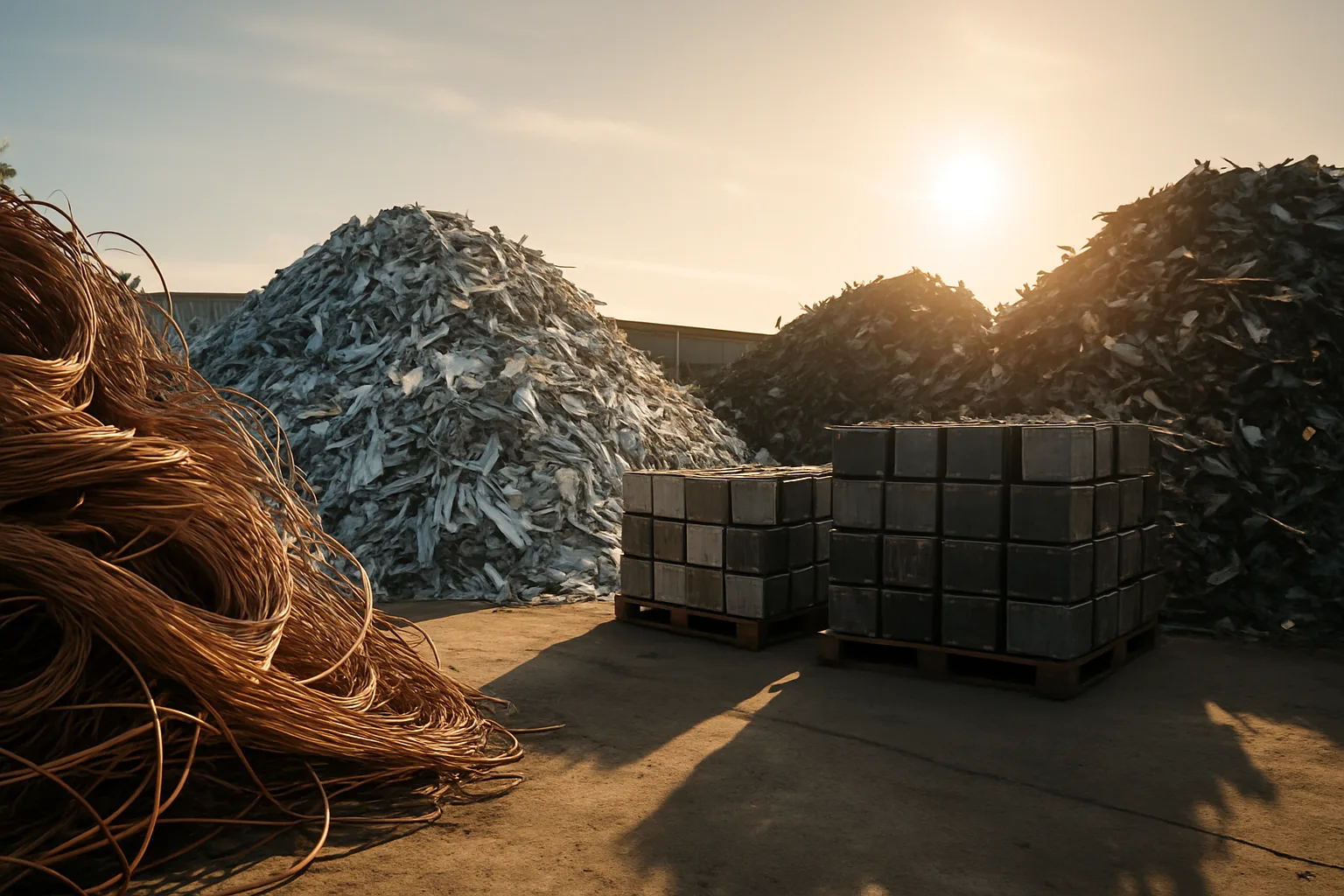
What a Fort McMurray Yard Learned From Its Lead-Acid Battery Pile
Most yards treat lead-acid batteries like an afterthought. They pile up in a corner, they leak, they take up space, and someone eventually calls one buyer to haul them away at whatever price that buyer feels like offering that day. Sound familiar? Here's the problem: lead is one of the most consistently traded non-ferrous metals on the market, and most sellers are leaving real money on the table because they never put it to the test.
This is a look at how one Alberta scrap operation changed its approach to lead-acid battery recycling — and what it discovered when it stopped accepting the first number it heard. If you're sitting on a pile of spent batteries in Fort McMurray or anywhere else in the province, keep reading.
The Old Way: One Buyer, One Price, No Leverage
The yard in this story — a mid-sized operation north of Edmonton serving the oil patch and heavy equipment sector in the Fort McMurray region — had a standing arrangement with a single buyer for its lead-acid battery loads. Every quarter, that buyer would call, quote a price, and the yard would say yes. The yard manager knew roughly what lead was trading at, but not exactly. Close enough felt good enough.
The problem wasn't that the buyer was dishonest. The problem was structural. With one buyer in the room, there's no competition. No competition means no pressure on price. The buyer quotes what works for the buyer. The yard accepts it because what else are they going to do — let the batteries keep piling up?
This is the pattern that plays out in yards across Alberta every single week. A single phone call, a handshake price, and a transaction that benefits one side more than the other. The yard never knew whether they were getting fair market value because they never asked the market. They only asked one person in the market.
What Lead-Acid Batteries Are Actually Worth — And Why It Varies
Before getting into what changed, it helps to understand why lead scrap pricing is more complicated than it looks. A standard 12-volt automotive battery contains roughly 18 to 22 pounds of lead in various forms — plates, terminals, grid structures. Industrial batteries, the kind you pull out of forklifts or UPS systems on oil patch job sites around Fort McMurray, can weigh 60 to 150 pounds or more per unit.
Lead prices move with global market conditions, recycling demand, and smelter capacity. The spread between what a single buyer offers and what the actual market will bear can be significant — especially when you're moving volume. A few cents per pound difference sounds small. Multiply it across a few thousand pounds of batteries and it stops sounding small.
Pricing also shifts based on:
- Battery condition — cracked cases, drained acid, and corroded terminals affect value
- Load volume — larger loads often attract more competitive bids
- Documentation — buyers want to know what they're getting before they bid
- Seasonal demand — battery recycling volumes spike in spring and fall as vehicle batteries fail
- Market timing — check current Canadian scrap metal prices before you commit to any offer
The yard in question had never really tracked these variables. They were selling by feel, not by data. That was about to change.
How SMASH Changed the Conversation Around Lead Scrap
A contact connected the Fort McMurray-area yard to SMASH — a scrap metal auction platform that puts loads in front of multiple vetted buyers at once. The yard's first reaction was skepticism. They'd been doing this for years. They had relationships. Did they really need a platform?
They decided to test it on a single load: roughly two pallets of mixed lead-acid batteries, about 1,400 pounds total, pulled from a maintenance contract with an equipment supplier. Instead of calling their usual buyer, they listed the load on SMASH. They used the inventory tool to document each battery type, photographed the load, and noted the condition of the cases.
The documentation step alone was a shift in mindset. When you've always sold by phone, you don't think about what a buyer on the other side of the country needs to see to feel confident bidding. SMASH pushed them to think like a seller presenting to a room, not just making a call to one contact.
Multiple buyers bid. The yard didn't have to chase anyone, negotiate awkwardly, or wonder if they were getting lowballed. The auction format did the work. More buyers means better price discovery — that's not a slogan, it's basic market logic. When you want to get competitive bids for your scrap in Canada, you need more than one voice in the room.
The result? The yard cleared more per pound on that load than their standing rate with their single buyer. Not dramatically more — but meaningfully more. Enough that they listed their next load without hesitation.
Scrap Metal Prices Today: Why Documentation Is Your Best Pricing Tool
One of the clearest lessons from this case isn't about the platform — it's about what documentation does for your negotiating position. When a buyer can see exactly what they're buying, they bid with confidence. When they're guessing, they build in a discount to cover their uncertainty. That discount comes out of your pocket.
For lead-acid batteries specifically, documentation matters because:
- Battery chemistry varies — automotive, AGM, gel cell, and flooded industrial batteries have different lead content and handling requirements
- Weight accuracy matters — buyers need to trust your stated weights, and photo documentation supports that
- Regulatory compliance — lead-acid batteries are classified as hazardous materials under Canadian environmental regulations; proper documentation protects both seller and buyer
- Repeat business — a well-documented load builds your reputation with buyers and makes future transactions faster
If you're tracking scrap metal prices today and wondering why your quotes feel low, start by looking at how you're presenting your material. Sloppy documentation invites low bids. Clean, photographed, accurately weighed loads attract serious buyers. It really is that straightforward.
You can read the latest Canadian scrap metal pricing guides to understand how documentation practices affect what buyers are willing to pay across different material types.
What Other Alberta Yards Can Take From This
This isn't a story about one lucky load. It's a story about process. The yard didn't just get a better price once — they changed how they think about every non-ferrous load that comes through the gate.
Here's what they implemented after their first SMASH experience:
- Dedicated staging area for lead-acid batteries, separated by type (automotive vs. industrial)
- Consistent weighing and photography at intake, not just at sale time
- Quarterly market checks on scrap metal prices today to benchmark against what they're being offered
- Regular use of the SMASH platform for non-ferrous loads where competition is most likely to improve outcomes
For yards in Alberta — particularly in regions like Fort McMurray where heavy equipment cycles generate significant battery volume — this kind of discipline pays off. The oil patch is hard on batteries. Forklifts, generators, light towers, heavy trucks — they all churn through lead-acid batteries at a rate that gives a well-organized yard consistent volume to sell.
Volume is leverage. But only if you know how to use it. If you're moving significant battery weight on a regular basis and you're still calling one buyer, you're not using your leverage. You're giving it away.
If you're ready to stop guessing and start selling with data behind you, find the best Canadian scrap metal prices today and see what the market actually looks like before your next transaction.
The Bigger Picture: Lead Scrap in a Competitive Recycling Market
Lead recycling is one of the most efficient material loops in the global supply chain. The majority of new lead-acid batteries manufactured today contain significant amounts of recycled lead. That demand doesn't go away. Electric vehicles are changing some parts of the battery landscape, but lead-acid batteries remain essential for starting systems, backup power, industrial applications, and grid storage — especially in remote and heavy-industry settings where Fort McMurray operations often operate.
That sustained demand means there's always a buyer for clean, well-documented lead scrap. The question is whether you're finding the best buyer or just the most convenient one. Competitive pricing across scrap metal recycling Alberta depends on sellers who actually shop their loads — not just accept the first call they get.
SMASH exists specifically to close that gap. No subscription fees. No guessing. A vetted buyer pool and an auction format that lets the market set the price instead of one buyer's margin targets setting it for them. That's a fundamentally different relationship than the one most yards are used to.
The yard north of Edmonton is still using SMASH. Their lead-acid loads are better organized, better documented, and better priced than they were two years ago. They're not calling it a revolution — they're calling it a better process. That's about as honest a success story as the scrap business gets.
Get the best Canadian scrap metal prices for your next battery load — check current rates and market conditions at best-scrap-prices.ca before you pick up the phone.
Disclaimer: Scrap metal prices fluctuate based on global commodity markets, regional demand, and material condition. Always verify current rates before committing to a sale.
Frequently Asked Questions
Q: What are lead-acid batteries worth as scrap metal today?
Lead-acid battery scrap value depends on current lead commodity prices, battery type, weight, and condition. Automotive batteries and industrial batteries carry different values based on their lead content. Always check current scrap metal prices today before selling — rates shift with market conditions.
Q: Where can I sell scrap metal near me in Fort McMurray?
Fort McMurray has local yards that accept non-ferrous scrap including lead-acid batteries. For larger loads or better price discovery, platforms like SMASH connect Alberta sellers with multiple vetted buyers across North America, which can help reveal what your material is actually worth on the open market.
Q: How does a scrap metal auction platform work for battery recycling?
A scrap metal auction platform like SMASH lets you document and list your load — batteries, weight, condition, photos — and receive bids from multiple vetted buyers. The competitive format means buyers have to offer their best price, not just what they think you'll accept from a single phone call.
Q: Are lead-acid batteries considered hazardous scrap in Alberta?
Yes. In Alberta and across Canada, lead-acid batteries are classified as hazardous waste due to their sulfuric acid content and heavy metal composition. Sellers should follow proper handling, storage, and documentation procedures. Licensed buyers and recyclers handle the compliant processing — documentation at point of sale protects everyone in the chain.
Q: Does the weight of a battery affect its scrap value?
Absolutely. Lead is priced by weight, so heavier batteries — like industrial forklift or backup power batteries common in Fort McMurray's oil patch sector — carry significantly more value than standard automotive batteries. Accurate weighing and documentation of your load helps buyers bid with confidence, which typically results in stronger offers.
---Stay current on industry trends and scrap metal market insights — follow SMASH on LinkedIn for regular updates on pricing, platform features, and what's moving in the North American scrap market.