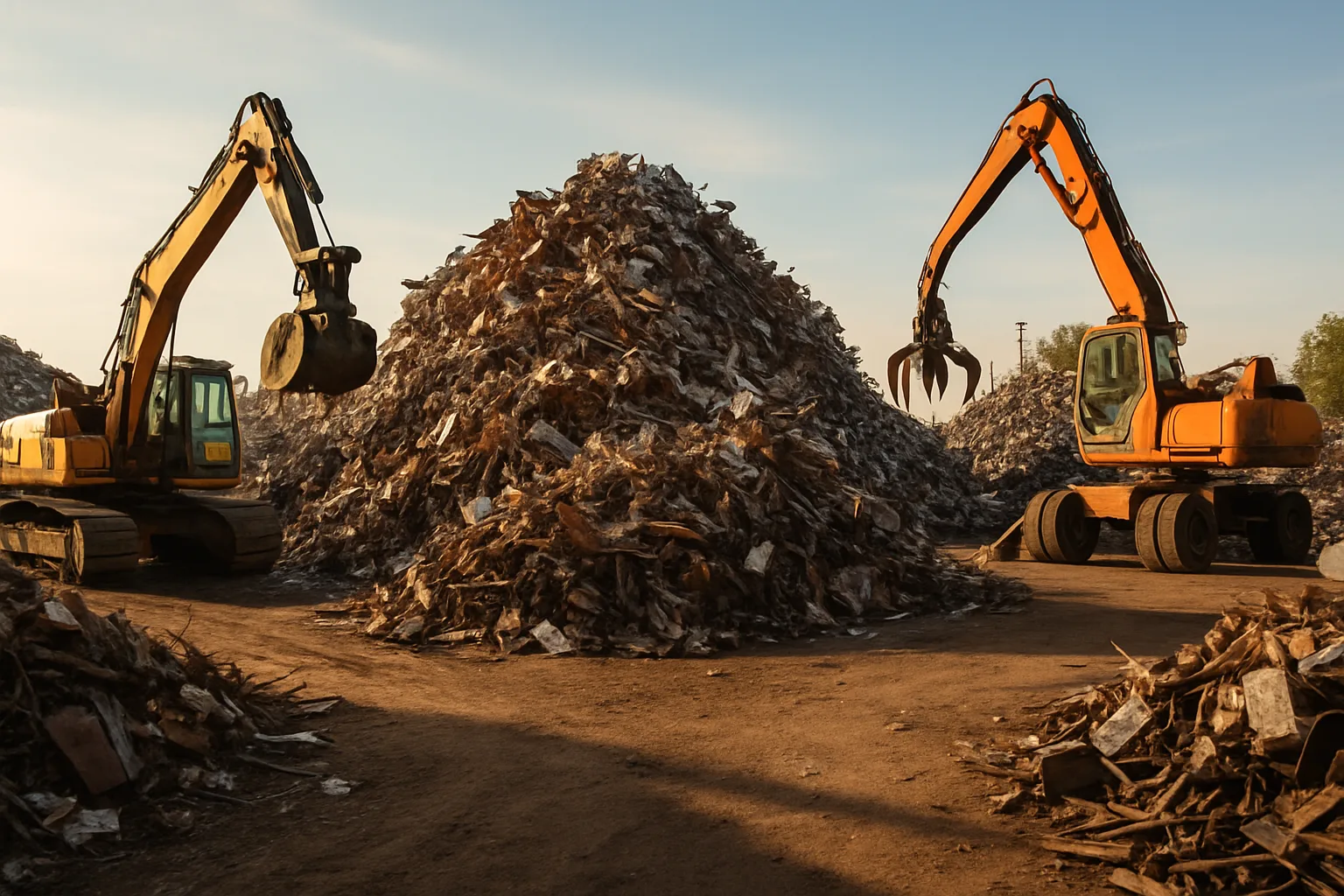
You haul a truckload of mixed metal to your local yard and walk away with less money than you expected. Sound familiar? The problem usually isn't the market — it's that you didn't know how the yard was grading your material before they put a number on it. Understanding how recycling yards weigh and grade scrap metal is one of the most practical things you can do to sell scrap metal near me Laval searches that actually pay off.
This isn't complicated, but most sellers never ask. And yards rarely explain. Let's break down exactly what happens to your load between the scale and your payout — and how to make sure you're not leaving money behind.
---Why Weighing and Grading Matter More Than the Posted Price
The posted price on a yard's sign or website is a starting point, not a guarantee. That number assumes a specific grade of material — clean, separated, and free of contaminants. Most loads coming off a demolition site, a garage cleanout, or a scrap run don't qualify as "clean" without some prep work.
Grades exist because a yard's downstream buyer — the mill, the smelter, the processor — pays based on quality. A yard buying your material at a higher grade is committing to that quality on the other end. If your copper has rubber insulation on it, it isn't bare bright copper. If your aluminum has steel bolts attached, it's downgraded. The yard isn't cheating you. They're passing through what the market demands. But here's the thing: if you don't know the grades, you can't push back, negotiate, or prep your material to hit the better tier.
For sellers in Laval and across Quebec, where non-ferrous volumes from construction and manufacturing are steady, understanding grading isn't a nice-to-know — it's a direct line to a better cheque.
---How Recycling Yards Actually Weigh Your Material
Most yards use a certified truck scale — called a platform scale or pit scale — at the entrance and exit. You drive on loaded, they record the gross weight. You drive off empty, they record the tare weight. The difference is your net weight. Simple math, but the details matter.
Here's what can affect your weigh-in:
- Moisture and dirt: A wet load of ferrous steel sitting in the rain adds real weight — but that extra weight often gets discounted or "moisture-adjusted" by experienced buyers who know wet material when they see it.
- Mixed loads: If you bring copper, aluminum, and steel in one unsorted pile, many yards will weigh the whole thing and pay you at the lowest grade across the board — unless they want to hand-sort it themselves, which costs them time.
- Scales certification: In Canada, commercial scales used to buy and sell commodities are regulated under Measurement Canada requirements. You have a right to ask when the scale was last certified. Most reputable yards post this.
- Sample weights for small loads: For small quantities of high-value material like catalytic converters or electronic scrap, yards may weigh batches on bench scales. These are more precise but also easier to misread if you're not watching.
Pro tip: Always stay present during the weigh-in. Watch the scale ticket get printed. Ask for a copy. It's your transaction record and your starting point if there's ever a dispute.
---Scrap Metal Grading: What Each Grade Actually Means for Your Payout
Grading is where most sellers get surprised. Different metals have their own grading systems, but the logic is the same: the cleaner, purer, and more processable your material, the better the grade, the better the price.
Copper Grades
Copper is the clearest example of how much grading impacts value. The spread between the lowest and highest grade can be significant per pound:
- Bare bright copper (#1 bare bright): Clean, uncoated, unalloyed copper wire. No solder, no insulation, no corrosion. Top of the pricing ladder.
- #1 copper: Clean copper pipe and solids with no paint, solder, or fittings attached.
- #2 copper: Copper with some oxidation, solder, or minor contamination. Still valuable but priced lower.
- Insulated copper wire: The price depends heavily on the percentage of copper inside. Thick construction wire with minimal insulation pays better than thin extension cords with a lot of plastic around a thin wire.
Aluminum Grades
Aluminum pricing splits between cast and extrusion. Clean aluminum extrusion — think window frames and door rails, common in renovation scrap across Laval — pays more than cast aluminum from engine parts. Painted or coated aluminum drops another tier. Aluminum with iron or steel attached gets downgraded heavily because contamination affects the melt.
Ferrous Steel and Iron
Ferrous (iron-based) pricing is simpler but still graded. Heavy melt steel — thick plate, structural steel — gets a better price than light iron (thin sheet, mixed metal cans). Shredder-ready material, meaning steel that can go straight into an industrial shredder without processing, commands a premium at larger facilities. Turnings and borings — metal shavings from machining — are priced separately and usually discounted for their high surface area and mixed composition.
Catalytic Converters
Cats are their own world. They're priced by the unit, not by weight, and the value sits in the platinum group metals (PGMs) inside — platinum, palladium, and rhodium. Yards either buy cats at flat rates by type (OEM vs. aftermarket) or use assay-based pricing where the unit gets sampled and paid out based on actual PGM content. PGM markets move daily, which is why cat prices feel volatile. Platforms like SMASH are built to handle this — serial tracking and photo documentation mean every cat in your inventory is accounted for before a buyer bids on the lot.
---The Old Way vs. The SMASH Way: Getting Honest Price Discovery on Your Scrap
Here's where most sellers get stuck. You prep your material, separate your grades, watch the weigh-in — and then you still only have one buyer telling you what your load is worth. One offer. One opinion on grade. Take it or leave it, and they know you probably have a truck to return and a day to finish.
That's the old way. One phone call. One buyer. Guess your price or accept theirs.
A scrap metal auction format flips that dynamic. When multiple vetted buyers compete for your documented load — a load with photos, weights, grades already specified — the price finds its actual market level. You're not guessing. The buyers are competing. That's what SMASH scrap metal auction does. You document the load through the platform's inventory tool, buyers see exactly what they're bidding on, and competition does the pricing work for you.
For yards in Laval and across Quebec moving regular volumes of non-ferrous, ferrous, or catalytic converters, this isn't a small difference. More buyers means better price discovery. Documented inventory gives buyers more confidence. No subscription fees — SMASH only wins when you win.
Want to see how competitive pricing works for your material? You can find the best price for your scrap in Canada through a platform built for exactly this.
---How to Prep Your Scrap to Hit Better Grades Before You Sell
You don't need a processing facility to move up a grade. Most of the work is separation and basic cleaning. Here's a practical breakdown:
- Separate by metal type: Never bring a mixed load if you can avoid it. Sort copper, aluminum, steel, and stainless before you go. Each gets weighed and priced independently.
- Strip wire when it's worth it: Thick copper wire with significant copper content is worth stripping to bare bright. Thin wire with mostly insulation isn't worth the labour — sell it as insulated and move on.
- Remove attachments: Brass fittings on copper pipe, steel screws on aluminum extrusion, iron bolts on anything non-ferrous — take them off. You'll move up a grade on the primary material and can sell the attachments separately as their own metal type.
- Keep cats by type: OEM catalytic converters, aftermarket units, and diesel particulate filters all pay differently. Don't mix them in the same bag if you can track them separately.
- Document before you drop: Photos, weights (if you have a shop scale), and serial numbers on high-value items protect you if there's ever a grading dispute at the yard.
If you're selling regularly, this prep work compounds. Better grade materials, better price discovery, and over time a track record that makes buyers trust your loads — and bid accordingly.
To stay current on how Canadian scrap markets are moving, read the latest Canadian scrap metal pricing guides updated for 2026 conditions.
---What to Track Week to Week: Scrap Metal Pricing in Canada Right Now
Scrap metal prices in Canada move with global commodity markets — London Metal Exchange (LME) copper benchmarks, aluminum futures, PGM spot prices, and North American steel indices. What happens at a mill in Ohio or a smelter in Ontario affects what a yard in Laval is paying on Monday morning.
The July 2026 market continues to reflect the supply and demand pressures that have characterized the first half of this year. Non-ferrous metals — copper especially — remain sensitive to grid infrastructure spending and EV battery supply chains. Ferrous pricing tracks with construction activity and auto sector demand. Catalytic converter PGM values stay volatile with rhodium in particular seeing unpredictable swings.
None of this means you should time the market obsessively. But it does mean you should check current rates before you commit to a price. A few days of movement can make a real difference on a significant load. Check current Canadian scrap metal prices before you book your next pickup or drop-off.
Disclaimer: Scrap metal prices fluctuate daily based on global commodity markets. Always verify current rates directly with buyers or through updated pricing tools before selling.
The best sellers in this business — the yards and independent haulers doing consistent volume — treat price transparency the same way they treat scale tickets. Non-negotiable. You track what you drop, you know what it should be worth, and you push back when the number doesn't match. Platforms like SMASH exist to make that transparency the default, not the exception. Find the best Canadian scrap metal prices today and go into your next sale informed.
---Frequently Asked Questions
Q: How do I know if a recycling yard near me in Laval is grading my scrap fairly?
Ask the yard to explain how they graded your material and which price sheet they used. Reputable yards will walk you through it. Cross-check their offered price against current market benchmarks, and when possible, get competing offers before you commit to a single buyer.
Q: What's the difference between #1 and #2 copper when I sell scrap metal near me in Laval?
#1 copper is clean, uncoated pipe or solid copper with no solder or attachments. #2 copper has some oxidation, paint, or minor contamination. The price difference between grades can be meaningful per pound — separating and cleaning your copper before you sell is almost always worth the time if you have significant volume.
Q: Can I use a scrap metal auction to sell material from Quebec?
Yes. Platforms like SMASH accept sellers from across Canada, including Quebec and Laval. You document your load — metal type, grade, photos, weight — and vetted buyers bid competitively. No single-buyer price guessing.
Q: Does scrap metal pickup near me free actually exist, or is it always deducted from the price?
Free scrap metal pickup exists but depends on the volume and type of material you have. Yards and haulers often offer free pickup for significant loads of high-value non-ferrous metal or full loads of ferrous. For smaller quantities, a pickup fee may apply or be deducted from the payout — always clarify this upfront before scheduling.
Q: How often do scrap metal prices in Canada change?
Most scrap metal prices update weekly, though high-volatility metals like copper and catalytic converter PGMs can move daily based on global commodity markets. Check current rates before any significant sale — a few days of movement can matter on a large load.
---Get the best Canadian scrap metal prices — whether you're running loads out of Laval, sourcing non-ferrous across Quebec, or just starting to get serious about what your material is actually worth. Check current rates, prep your material properly, and let competition do the pricing work. Find the best Canadian scrap metal prices today at best-scrap-prices.ca.
Follow SMASH on LinkedIn for weekly scrap metal market insights, pricing updates, and industry news from across North America.