Small-Scale Scrap Collecting in Trois-Rivières: How to Stop Leaving Money on the Table
Most small-scale collectors walk away from a scrap yard feeling like they left money behind. Not because they didn't work hard — but because they didn't know the rules of the game before they showed up. If you're looking to sell scrap metal Trois-Rivières and actually maximize what you take home, this guide is for you.
Whether you're pulling appliances off curbs, stripping a renovation site, or running a part-time collection route, the gap between a bad payout and a good one often comes down to preparation, knowledge, and timing. None of that is complicated. It just requires knowing what to look for.
Know What You Have Before You Drive to the Yard
This is where most small collectors lose. They throw everything in the truck — mixed metals, tangled wire, mystery alloys — and let the yard sort it out. The yard benefits from that confusion. You don't.
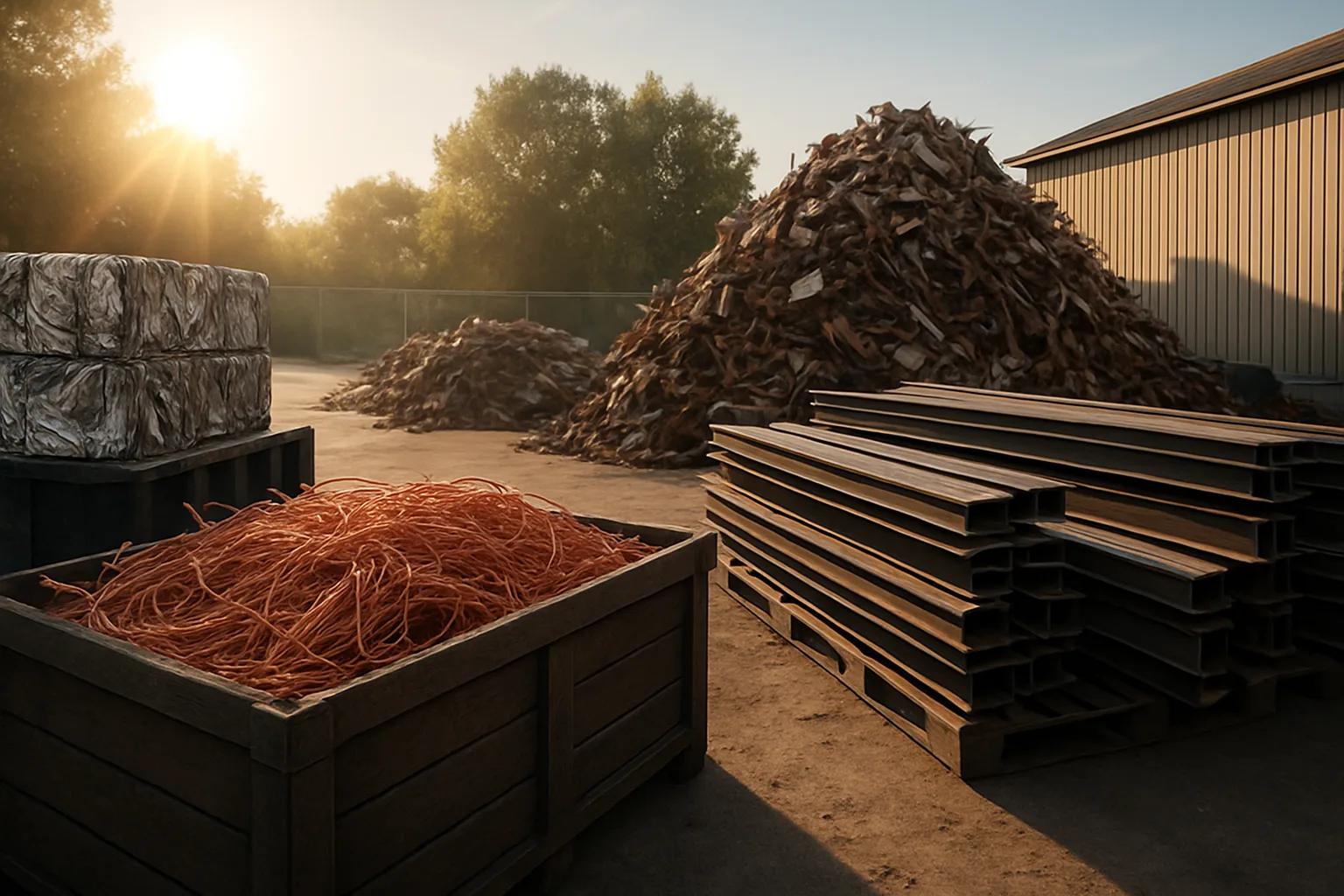
Take the time to separate your metals before you go. The difference in payout between mixed metal and properly sorted non-ferrous material can be significant. Here's a basic breakdown of what to identify and separate:
- Copper: Bare bright wire, #1 copper pipe, #2 copper, and insulated wire all pay at different rates. Strip the insulation if it's worth your time — bare wire pays considerably more.
- Aluminum: Extrusions, cast aluminum, cans, and sheet aluminum are graded differently. The aluminum scrap price today may vary by grade, so mixing them costs you.
- Steel and iron: Separate clean steel from cast iron and light iron. Yards price these differently.
- Stainless steel: A magnet is your friend. Stainless won't stick. It pays better than regular steel and often gets overlooked.
- Brass: Fittings, valves, and shell casings — all worth separating from other non-ferrous material.
Bring a magnet to your collection site. If it sticks, it's ferrous (steel, iron). If it doesn't, you're likely holding something more valuable. That two-dollar magnet from a hardware store will pay for itself the first time you use it.
Understand Aluminum Scrap Price Today — And Why It Changes
Aluminum is one of the most common materials small collectors deal with, and also one of the most misunderstood. The aluminum scrap price today is tied to the London Metal Exchange (LME), global supply and demand, energy costs, and local buyer competition. It moves. Sometimes daily.
What that means for you: the price you got last month is not the price you'll get today. Never assume. Always call ahead or check current rates before you load up the truck. Platforms that publish live or near-live pricing data help you know whether today is a good day to sell or whether you're better off holding your material for a week.
A few factors that influence aluminum pricing in Canada right now in mid-2026:
- Global demand from automotive and packaging sectors
- Energy costs affecting smelter operations
- Currency exchange rates (CAD vs. USD) for cross-border buyers
- Local buyer competition — fewer buyers in your area means less price pressure
That last point matters for anyone trying to sell scrap metal for cash in a mid-sized market. In cities like Trois-Rivières, you may have fewer local buyers than in Montreal or Toronto. That reduced competition can suppress your price — unless you know how to work around it.
How to Get Better Prices When Local Competition Is Limited
Here's the real talk: if there are only two or three yards within driving distance, they don't have to compete hard for your material. They know you'll take what's offered or drive further. That dynamic doesn't benefit you.
The smarter move is to widen your buyer pool without widening your drive. That's exactly where platforms like the SMASH Recycling auction platform change the game. Instead of calling one buyer and accepting their number, your material gets in front of vetted buyers who are actually competing for it. More competition means better price discovery — not a guarantee, but a fundamentally better process than a single phone call.
For small collectors, this is especially valuable on larger loads. If you've accumulated a significant amount of copper wire, a pallet of cast aluminum, or a collection of catalytic converters (cats), running that through a competitive process rather than a single-buyer transaction is worth considering. Find the best Canadian scrap metal prices today and see what your material is actually worth in a competitive market before you commit to one buyer.
Even if you're not yet at the volume level to list on an auction platform, knowing market prices gives you leverage at the local yard. Walk in knowing what aluminum is trading at. Know the copper spread. That knowledge alone changes how the conversation goes.
Build Your Process: Documentation, Photos, and Weight Estimates
Small collectors who treat this like a business — even at low volume — consistently outperform those who treat it like a casual side hustle. The difference isn't always hustle. It's process.
Start documenting your loads before you go to the yard. Here's what a basic process looks like:
- Photograph your material — sorted by type, before loading. This creates a record and helps you dispute any grading issues at the yard.
- Estimate your weight — a bathroom scale works for smaller loads. Know roughly what you're bringing in so you can spot discrepancies on the yard's ticket.
- Track your trips — date, metal type, weight, price per pound/kilogram, and total payout. A simple spreadsheet shows you trends over time.
- Keep your receipts — every transaction, every yard. This matters for tax purposes and for tracking your average prices over time.
This isn't about being paranoid. Yards are generally legitimate operations. But errors happen, and having documentation protects you. It also helps you identify which yards consistently grade your material more favorably — that data is useful.
Scrap metal recycling Canada operates in a competitive but relationship-driven market. Yards remember collectors who are organized, consistent, and easy to work with. That reputation can translate into better grades on borderline material over time.
Timing Your Sales and Building Volume Strategically
Not every load needs to go to the yard immediately. For non-ferrous metals, storing clean sorted material until you have a meaningful volume gives you more leverage — and reduces the number of trips you're making.
Timing also matters seasonally. Demolition and renovation activity in Quebec tends to peak in spring and summer, which can increase the supply of scrap hitting the market locally. More local supply can soften local prices. If you can hold non-ferrous material through a softer period, you may see better rates later.
That said, don't over-rotate on timing. Holding material too long has its own costs — storage space, weather exposure, risk of theft. The goal is smart timing, not speculation.
For those asking how to purchase scrap metal to resell — buying from smaller collectors, estate cleanouts, or renovation sites and aggregating loads — the same principles apply. Sort aggressively. Document everything. Know your grades before you price what you're buying. Your margin lives in the spread between what you pay and what the market actually offers. Read the latest Canadian scrap metal pricing guides to stay current on what different grades are trading at across Canada.
Common Mistakes That Cost Small Collectors Real Money
Even experienced collectors fall into habits that quietly drain their earnings. Watch out for these:
- Selling mixed loads: The yard downgrades everything to the lowest grade in the pile. Sort or leave money behind.
- Not checking prices before going: Driving 40 minutes to sell aluminum on a day when prices have dropped is a bad use of time and fuel.
- Ignoring small high-value items: Cats, circuit boards, copper fittings — these small items punch well above their weight. Don't let them get lost in a ferrous load.
- Accepting the first number without question: You're allowed to ask how they're grading your material. You're allowed to come back another day.
- Neglecting relationships: The collector who shows up regularly with clean sorted loads gets treated differently than the one-time walk-in. Build consistency.
SMASH is built on the idea that sellers deserve better than a single number from a single buyer. Whether you're an established yard or a small collector building volume, the principle is the same: competition reveals the market. A platform like SMASH connects sellers across scrap metal recycling Canada with vetted buyers who are actively bidding — not just posting a take-it-or-leave-it number.
If you're operating in the Trois-Rivières area and ready to level up your process, start by knowing your market. Check current Canadian scrap metal prices regularly, sort your material before every trip, and think about what a wider buyer pool could mean for your best loads. That combination — knowledge, preparation, and competition — is how small collectors stop leaving money at the gate.
Frequently Asked Questions
Q: Where can I sell scrap metal in Trois-Rivières?
Trois-Rivières has local scrap yards that accept both ferrous and non-ferrous metals. Call ahead to confirm what they're buying and at what grades. For larger or more valuable loads, consider using an auction platform like SMASH to access buyers beyond your immediate area and benefit from competitive pricing.
Q: What is the aluminum scrap price today in Canada?
Aluminum prices change regularly based on LME rates, local demand, and material grade. Clean extruded aluminum, cast aluminum, and aluminum cans all pay at different rates. Always check current rates before your trip — prices from last week may not reflect today's market.
Q: Is it worth separating scrap metal before going to the yard?
Yes — consistently and significantly. Mixed loads get graded down to the lowest value material in the batch. Sorting copper from aluminum, aluminum from steel, and stripping insulated wire takes time but often returns meaningfully better payouts on the same physical weight of material.
Q: How do I know if I'm getting a fair price when I sell scrap metal for cash?
Know your market before you walk in. Check published scrap metal prices online, track your own historical payouts by yard, and don't be afraid to ask how a yard is grading your material. If your volume justifies it, running loads through a competitive platform like SMASH gives you a market-based reference point instead of a single buyer's number.
Q: Can small collectors in Quebec use online scrap auction platforms?
Yes. Platforms like SMASH work with sellers across Canada, including Quebec. The key is having sorted, documented loads with clear photos and accurate weight estimates — the same discipline that gets you better prices at a local yard also makes your material more competitive in an online auction format.
Building a consistent scrap collecting operation takes more than a truck and a route. It takes market knowledge, disciplined sorting, and access to real competition. If you're operating in Trois-Rivières or anywhere else in Quebec, you don't have to settle for whatever the closest yard offers. Get the best Canadian scrap metal prices — check rates at best-scrap-prices.ca and go into every transaction knowing what your material is actually worth.
Disclaimer: Scrap metal prices fluctuate based on market conditions, material grade, and regional demand. Always verify current rates before selling.
Stay current on scrap metal market trends and pricing updates — follow SMASH on LinkedIn for industry insights that help you sell smarter.