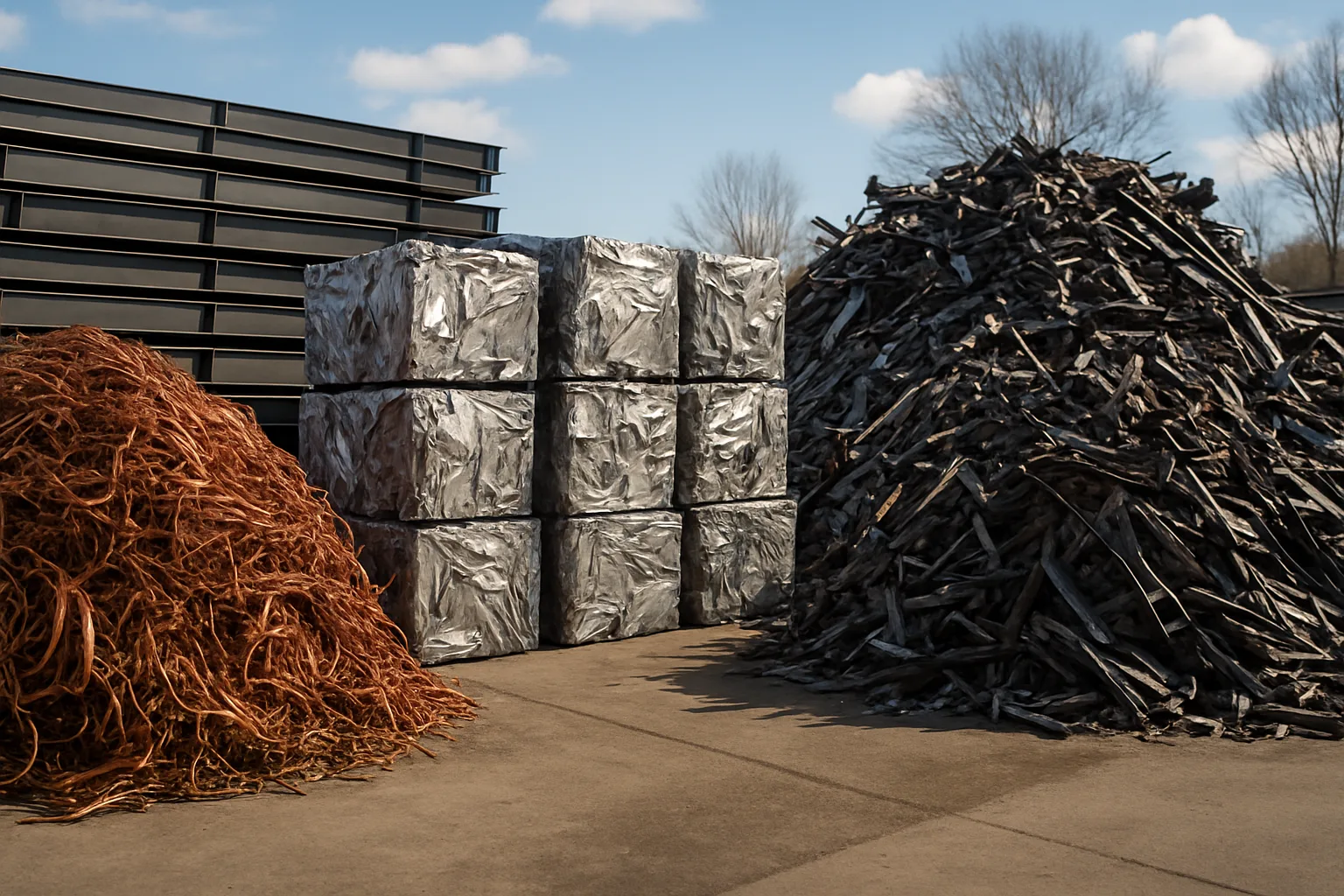
Environmental rules around scrap metal recycling are tightening across Canada — and yards that don't keep up are leaving money on the table, or worse, facing fines. If you're selling scrap in Moncton or anywhere in New Brunswick, understanding what's changed in 2026 matters more than ever. It also affects the steel scrap price today and how buyers are bidding on loads.
This isn't about red tape for its own sake. Cleaner, better-documented scrap commands more confidence from buyers. And in a competitive auction market, confidence translates directly to price.
Why Environmental Regulations Are Reshaping Scrap Metal Pricing in Canada
Tighter environmental oversight is pushing scrap recyclers to document more, sort better, and handle hazardous materials with greater care. Federal and provincial regulations — including those updated under Canada's Canadian Environmental Protection Act (CEPA) and provincial waste management frameworks — now require more detailed tracking of certain materials. That includes how ferrous and non-ferrous metals are stored, processed, and shipped.
What does this have to do with price? Everything. Buyers — especially industrial processors and mills — are increasingly demanding clean, documented loads. Contaminated or poorly sorted scrap gets discounted hard. Well-documented inventory, with proper handling records and photos, gives buyers confidence. More buyer confidence means more competitive bids. And more competition is how you actually find the best Canadian scrap metal prices today.
New Brunswick yards in particular are operating under a sharper spotlight in 2026. Provincial environmental standards have pushed recyclers to upgrade storage practices, reduce surface runoff from scrap piles, and maintain cleaner separation between material grades. That's work. But it also builds the kind of operation that serious buyers want to bid on.
What's Changed in 2026: Key Regulatory Updates Affecting Scrap Metal Sellers
Several regulatory shifts in 2026 are directly relevant to anyone selling scrap metal in Canada. Here's what's on the table:
- Hazardous Materials Handling: Stricter rules on fluids, batteries, and catalytic converters mean these items require documented processing before they move. Improperly drained vehicles or cores with residual fluids can trigger compliance issues at the yard level.
- Extended Producer Responsibility (EPR) Programs: Several provinces — including those in Atlantic Canada — are advancing EPR frameworks that put more accountability on the processing chain. This affects how end-of-life vehicles and electronics are handled before scrap is extracted.
- Yard Storage Standards: Regulations around secondary containment for fluids, drainage management, and fire separation distances have been tightened in multiple jurisdictions. Yards that aren't compliant face operational restrictions that can slow or halt purchasing.
- Cross-Border Scrap Shipment Documentation: U.S.-Canada scrap movements are under closer scrutiny. Export documentation, material declarations, and country-of-origin requirements are more detailed than they were two years ago.
- Copper and Non-Ferrous Theft Prevention Reporting: Several provinces now require yards to collect and report seller identification for non-ferrous metals — especially copper. This affects how quickly transactions close and what documentation sellers need to bring.
None of this is meant to scare you off selling. It's meant to show you what's moving the market. Yards that run cleaner operations are passing those standards on to buyers — and buyers are responding with better bids on verified, well-sorted loads.
How Scrap Metal Inventory Management Affects Your Compliance (and Your Price)
Here's a hard truth: if you can't prove what you've got, you can't prove it's clean. And in 2026, "can't prove it's clean" means buyers either pass or they lowball you. Scrap metal inventory management isn't just an operational tool — it's a compliance tool.
When you list a load with photo documentation, VIN lookups on vehicle-sourced material, and serial tracking on cores or cats, you're giving buyers a reason to trust the load. That trust is worth real dollars in a competitive bid environment. Platforms like Canada's B2B scrap recycling marketplace — SMASH — build this directly into the listing process. You document the material, buyers see exactly what they're bidding on, and the auction does the rest.
For Moncton sellers managing mixed loads — end-of-life vehicles, non-ferrous runs, or bulk steel — having a clear inventory record protects you twice. First, it keeps you on the right side of provincial requirements. Second, it removes the discount buyers apply when they're guessing about what's in a load. Stop guessing. Start documenting. It's the fastest way to improve your realized price without changing a single thing about the material itself.
Key elements of strong scrap metal inventory management in 2026:
- Photo documentation of each load before it ships
- VIN lookup and recording for auto-sourced ferrous scrap
- Serial number tracking for catalytic converters and high-value cores
- Grade separation records (HMS 1 vs. HMS 2, shred vs. busheling, etc.)
- Fluid removal certification for vehicles and motors
- Weight records with certified scale tickets where required
Steel Scrap Price Today: What Environmental Compliance Actually Does to the Market
The steel scrap price today isn't set in a vacuum. Mill demand, freight costs, export volumes, and scrap quality all feed into what buyers are willing to pay. Environmental compliance adds another layer — and it's not a small one.
Mills and processors are increasingly building quality premiums into their bids. A load of HMS 1 steel that's clean, sorted, and documented will consistently attract stronger interest than a mixed load with contamination concerns. That gap widens when regulatory scrutiny is high, because buyers are managing their own compliance exposure when they accept a load.
In practical terms: if you're trying to sell scrap metal price-competitively in New Brunswick right now, the environmental piece isn't separate from the pricing conversation. They're the same conversation. Buyers are factoring in how much work they'll need to do with your material after they receive it. The less work, the better the bid.
To stay current on scrap metal prices today and understand how compliance factors into regional pricing shifts, read the latest Canadian scrap metal pricing guides — they break down what's moving the market in real time.
SMASH Scrap Metal Auction: Transparency Built for a Regulated Market
The old way of selling scrap — one phone call, one buyer, one number — never gave you a way to verify you got a fair price. In a more regulated environment, that problem gets worse. You need documentation for compliance, but you also need competition to know your price is real.
The SMASH scrap metal auction platform is built for exactly this market. Vetted buyers compete on documented, photo-verified loads. The platform handles auto-invoicing, supports GST/HST documentation for Canadian transactions, and gives sellers a transparent record of every bid and sale. No subscription fees. SMASH only makes money when the seller completes a sale — so the incentive is aligned from the start.
For yards in Moncton or anywhere across New Brunswick running regulated operations, that documentation trail isn't just useful — it's essential. You need it for your records. SMASH generates it automatically as part of the transaction. One process, two problems solved.
If you're still figuring out how to sell scrap metal near me in a way that actually captures market value — not just whatever a single buyer offers on a slow day — the answer is competition. More buyers means better price discovery. And better price discovery means your compliance investment actually pays off at the scale.
Building a Compliant, Profitable Scrap Operation in Moncton
Running a clean yard in 2026 isn't charity — it's strategy. The cost of compliance is real. But the cost of non-compliance — fines, operational delays, or rejected loads — is higher. And the revenue upside from running a documented, well-sorted operation is something too many sellers underestimate.
Here's a practical framework for Moncton-area sellers looking to stay compliant and competitive:
- Audit your storage setup. Make sure fluid containment, drainage, and fire separation meet current New Brunswick provincial standards.
- Build a documentation habit. Photo every significant load before it moves. Use a platform that timestamps and stores those records for you.
- Know your grades. Contaminated or mixed loads get discounted. Sorting costs time but consistently pays back in better bids.
- Track your cats and cores. Serial tracking for catalytic converters isn't just regulatory — it also helps buyers bid with confidence on high-value material.
- Sell into competition, not just convenience. One buyer calling you Monday morning is not a market price. A vetted auction with multiple buyers is.
If you want to know where scrap metal prices today actually stand before you decide when to sell, don't guess. Check current Canadian scrap metal prices and make the call based on data, not habit.
The market rewards yards that do the work. Documentation, sorting, compliance — it all feeds into what buyers are willing to pay. The yards treating this seriously in 2026 are the ones building long-term pricing advantage. The ones skipping it are giving up margin every single time they move a load.
Getting the best price for your scrap isn't luck. It's documentation, competition, and timing. Start with best-scrap-prices.ca to see where the market is today — then put your loads in front of the buyers who are ready to compete for them.
Frequently Asked Questions
Q: Does environmental compliance actually affect the steel scrap price today I receive?
Yes, directly. Buyers factor in how clean and well-documented a load is when they bid. Contaminated or unsorted scrap attracts lower offers because it creates more work — and more compliance risk — for the processor receiving it. Clean, documented loads consistently attract stronger interest in competitive bid environments.
Q: What documentation do I need to sell scrap metal in Moncton, New Brunswick?
At minimum, most yards and buyers will want scale tickets, photo documentation of the load, and seller identification for non-ferrous metals like copper. For auto-sourced scrap, VIN records and proof of fluid removal are increasingly standard. Check current New Brunswick provincial requirements, as these have been updated in 2026.
Q: How do I know if I'm getting a fair scrap metal price today in my area?
The fastest way is to check current regional pricing benchmarks and sell into a competitive format — not a single-buyer call. Platforms like SMASH put your documented loads in front of multiple vetted buyers, which helps reveal the actual market price rather than one buyer's preferred number.
Q: What are the new rules around selling catalytic converters in Canada in 2026?
Serial tracking requirements for catalytic converters have expanded across multiple Canadian provinces. Most buyers now require documented serial numbers and proof of lawful possession before they'll bid on cats. This is both a theft-prevention measure and a compliance requirement — and it's a reason to have solid scrap metal inventory management in place before you try to move high-value cores.
Q: Is SMASH available for scrap sellers in New Brunswick?
Yes. SMASH operates across Canada, including Atlantic Canada. Sellers in Moncton and throughout New Brunswick can list loads, access vetted buyers, and complete transactions with full documentation support — including GST/HST handling for Canadian sales. There are no subscription fees; SMASH earns only when a sale closes. Explore Moncton scrap metal services to see what's available in your area.
Stay sharp on where the market is heading — follow SMASH on LinkedIn for regular scrap metal market insights, pricing updates, and industry news across Canada.