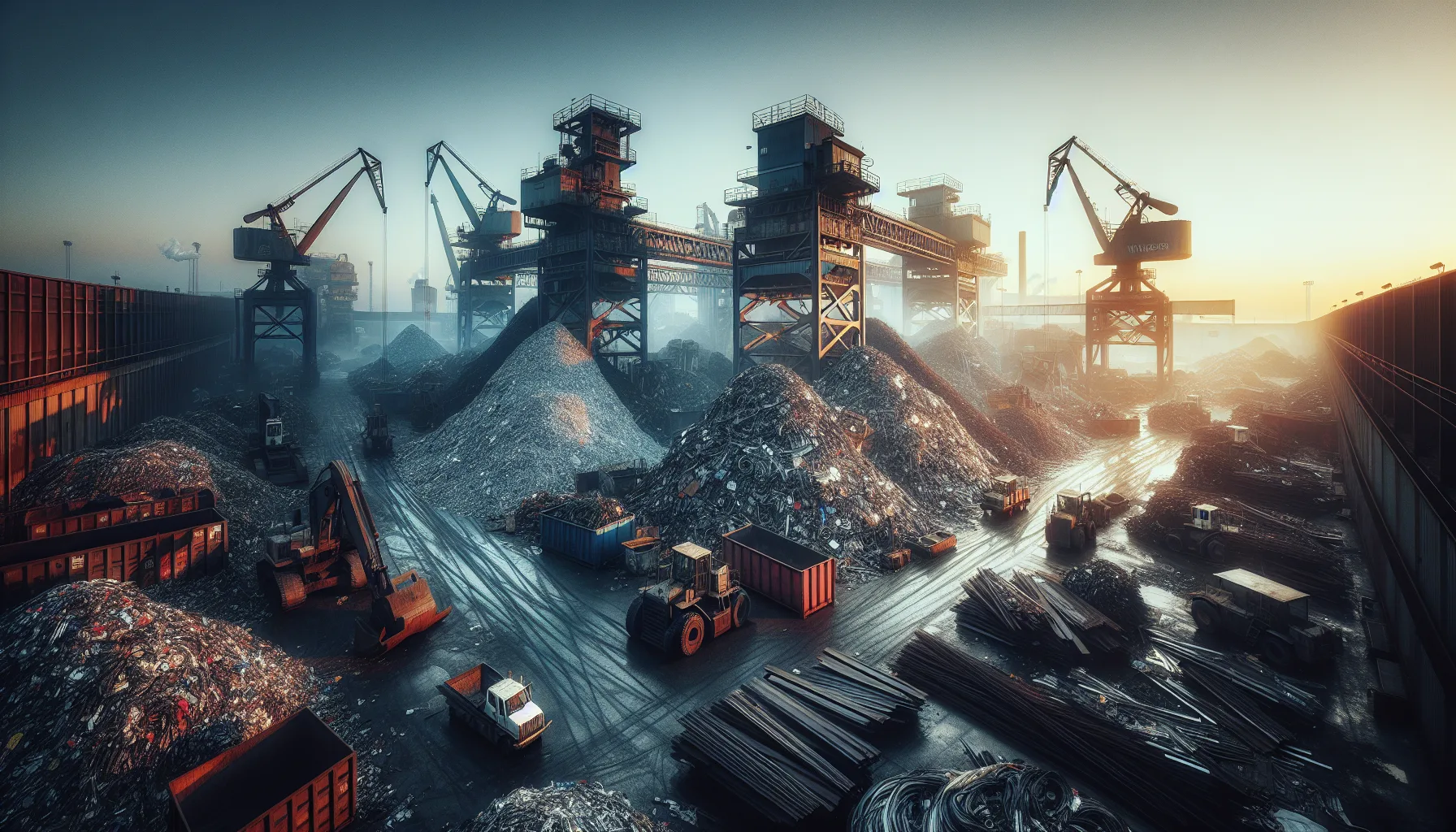
Steel commands $150-200 per ton while iron scrap barely reaches $120-150 per ton at Canadian yards. This pricing gap confuses many sellers, especially when both metals look nearly identical to the untrained eye. Understanding why steel fetches higher prices than iron can transform your scrap metal revenue, particularly for sellers looking to find the best Canadian scrap metal prices today in competitive markets like Windsor.
The distinction between steel and iron scrap isn't just academic — it directly impacts your bottom line. Steel's higher carbon content and processing refinement make it more valuable to recyclers and manufacturers. Meanwhile, cast iron and wrought iron varieties carry different price points based on their composition and intended reuse applications.
Steel vs. Iron: Composition Drives Canadian Market Values
Steel contains 0.3-2.1% carbon content, making it stronger and more versatile than pure iron. This higher carbon percentage creates superior tensile strength and durability, explaining why manufacturers pay premium prices for steel scrap. Canadian recyclers process steel into new automotive parts, construction materials, and industrial equipment.
Iron, conversely, contains minimal carbon — typically under 0.08%. Pure iron is softer and more malleable, limiting its industrial applications. Cast iron contains 2-4% carbon but becomes brittle, while wrought iron has virtually no carbon content. These composition differences directly translate to market pricing across Ontario's scrap yards.
Windsor's automotive manufacturing sector drives strong steel demand, keeping local prices competitive. Ford's Windsor Engine Plant and other regional manufacturers create consistent steel scrap demand. However, iron scrap sees less industrial demand, resulting in lower per-ton pricing throughout the province.
SMASH connects sellers with buyers who understand these material distinctions. The platform's auction system allows steel grades to compete for top dollar while ensuring iron scrap finds appropriate buyers at fair market rates.
Identifying Steel and Iron Scrap for Maximum Pricing
Visual identification separates profitable steel sales from disappointing iron pricing. Steel scrap typically appears darker with a more uniform surface texture. It produces bright sparks when ground against metal, indicating higher carbon content. Steel also demonstrates magnetic properties while maintaining structural rigidity.
Iron scrap presents differently across its varieties. Cast iron appears gray or black with a coarser, more porous surface. It breaks rather than bends under pressure. Wrought iron shows a fibrous grain structure and resists rust better than steel. Pure iron exhibits a silvery-white color but rarely appears in scrap form.
Weight differences help distinguish materials. Steel density ranges from 7.75-8.05 g/cm³, while iron density sits around 7.87 g/cm³. However, alloy additions in steel can alter these measurements. Professional testing with XRF analyzers provides definitive composition analysis for high-value loads.
Magnet tests work for both materials since steel and iron exhibit magnetic properties. However, stainless steel grades may show reduced magnetism due to nickel content. Always combine multiple identification methods before pricing your materials.
Regional Pricing Patterns Across Canadian Markets
Ontario's steel scrap prices reflect the province's manufacturing concentration. Toronto-Hamilton industrial corridor drives premium pricing, with rates often 10-15% above national averages. Windsor benefits from automotive sector demand, maintaining competitive rates despite transportation costs to major mills.
Prairie provinces see different pricing dynamics. Scrap yards in Winnipeg handle significant agricultural equipment containing both steel and iron components. Western Canada's resource extraction industries create steady demand for steel products, supporting regional scrap values.
Atlantic Canada experiences more volatile pricing due to limited local steel production. Maritime scrap often ships to Quebec mills or exports internationally. Transportation costs impact final pricing, making local check current Canadian scrap metal prices comparisons essential for sellers.
British Columbia's steel market depends heavily on Asian export demand. Vancouver port facilities enable efficient international shipping, but currency fluctuations and trade policies affect regional pricing. Interior BC markets rely on trucking to coastal facilities, adding logistics costs.
The scrap metal auction process through SMASH helps sellers access broader markets beyond their immediate region. This expanded reach often results in better pricing than local yard offers, especially for quality steel grades.
Processing Methods Impact Your Scrap Metal Revenue
Steel processing requires high-temperature furnaces reaching 1600-1700°C to achieve proper melting. Electric arc furnaces consume significant energy, making clean, prepared steel scrap more valuable. Contamination with other metals or materials reduces processing efficiency and final pricing.
Iron processing varies by grade and intended use. Cast iron melts at lower temperatures (1200-1300°C) but requires careful composition control. Foundries purchasing iron scrap need specific carbon content ranges for their casting operations. Clean, sorted iron commands better prices than mixed ferrous loads.
Preparation methods directly influence pricing offers. Removing non-ferrous attachments, cleaning oil and grease, and cutting oversized pieces to manageable dimensions increases value. Steel beams over 5 feet typically require cutting for standard processing equipment.
Torch cutting creates clean edges but may alter steel chemistry through heat exposure. Cold cutting methods preserve material properties but require more powerful equipment. Professional scrap yards often provide cutting services, but sellers receive better pricing for pre-processed materials.
Sorting mixed ferrous loads separates steel from iron varieties. This additional effort pays dividends when dealing with experienced buyers who recognize material quality. SMASH's detailed listing capabilities allow sellers to highlight their preparation efforts, attracting premium bids.
Market Demand Factors Affecting Steel and Iron Prices
Global steel production trends influence Canadian scrap pricing throughout the year. China's manufacturing cycles, European automotive demand, and North American infrastructure spending create price volatility. Steel's versatility means broader market exposure compared to specialized iron applications.
Construction industry activity drives steel demand across Canada. Spring and summer building seasons typically strengthen steel scrap pricing as mills ramp up production. Infrastructure projects funded by federal and provincial governments create sustained demand periods lasting multiple years.
Iron scrap demand remains more specialized and stable. Foundries producing engine blocks, pipes, and decorative castings maintain consistent iron purchases. However, limited end-use applications mean less competition among buyers, resulting in more stable but lower pricing.
Automotive manufacturing significantly impacts both materials. Steel's prominence in vehicle frames and body panels creates strong demand cycles. Iron components like engine blocks and brake rotors provide steady but smaller volume opportunities. Windsor's automotive sector exemplifies this dynamic interaction.
The read the latest Canadian scrap metal pricing guides to understand how seasonal patterns affect your specific materials. Timing sales around demand cycles can increase revenues by 15-25% compared to random selling schedules.
Maximizing Revenue Through Strategic Selling Approaches
Quality grading systems separate premium steel from lower-grade materials. Number 1 heavy melting steel (HMS) commands top pricing for clean, thick materials over 1/4 inch. Number 2 HMS includes lighter gauge materials and receives 10-15% less per ton. Knowing these classifications helps sellers price their materials appropriately.
Iron scrap categories include cast iron, wrought iron, and mixed iron grades. Cast iron from automotive or machinery applications typically achieves better pricing than general iron scrap. Sorted, clean cast iron may command premiums over mixed ferrous loads.
Quantity considerations affect pricing negotiations. Truckload quantities (25+ tons) often receive better per-ton pricing than smaller loads. However, sellers shouldn't hold materials indefinitely waiting to accumulate larger quantities, as market conditions change frequently.
Documentation helps justify pricing requests. Knowing the source and composition of your materials provides negotiating leverage. Steel from construction demolition often contains known grades, while automotive scrap includes various steel alloys requiring different processing approaches.
SMASH's auction platform enables competitive bidding that often exceeds fixed yard pricing. Multiple buyers competing for quality steel and iron loads drive prices higher than traditional selling methods. The platform's transparency shows actual market demand for your specific materials.
Sellers throughout Ontario, from Windsor to Ottawa, benefit from understanding steel versus iron pricing dynamics. Local market conditions vary, but the fundamental principles remain consistent. Steel's superior properties and broader applications justify premium pricing over iron alternatives.
Professional buyers on smashrecycling.ca understand these material distinctions and price accordingly. Whether you're selling construction steel, automotive components, or mixed ferrous loads, proper classification and presentation maximize your revenue potential. Get the best Canadian scrap metal prices — check rates at best-scrap-prices.ca for current market information and connect with qualified buyers ready to pay competitive rates for quality materials.
Frequently Asked Questions
Q: How much more does steel scrap pay compared to iron scrap in Windsor?
Steel scrap typically pays 20-30% more than iron scrap at Windsor area yards. Current steel prices range $150-200 per ton while iron scrap brings $120-150 per ton, depending on grade and market conditions.
Q: Can I sell mixed steel and iron loads, or should I separate them?
Separating steel from iron maximizes your revenue. Mixed ferrous loads receive lower pricing based on the least valuable component. Spending time sorting typically increases total payout by 15-25%.
Q: What's the easiest way to tell steel from iron when selling scrap metal near me in Windsor?
Steel produces bright sparks when ground against metal and appears darker with uniform texture. Iron breaks rather than bends and often shows a coarser, more porous surface. Both are magnetic, so use multiple identification methods.
Q: Do SMASH scrap metal auctions handle both steel and iron materials?
Yes, SMASH processes all ferrous materials including various steel grades and iron types. The auction format often achieves better pricing than fixed yard rates, especially for quality, well-sorted materials.
Q: How do seasonal patterns affect steel versus iron pricing in Ontario?
Steel prices typically strengthen during spring construction season and remain elevated through summer. Iron pricing stays more stable year-round due to consistent foundry demand, but generally tracks below steel pricing levels.
Follow SMASH on LinkedIn for regular updates on Canadian scrap metal market trends and pricing insights that help maximize your selling success.