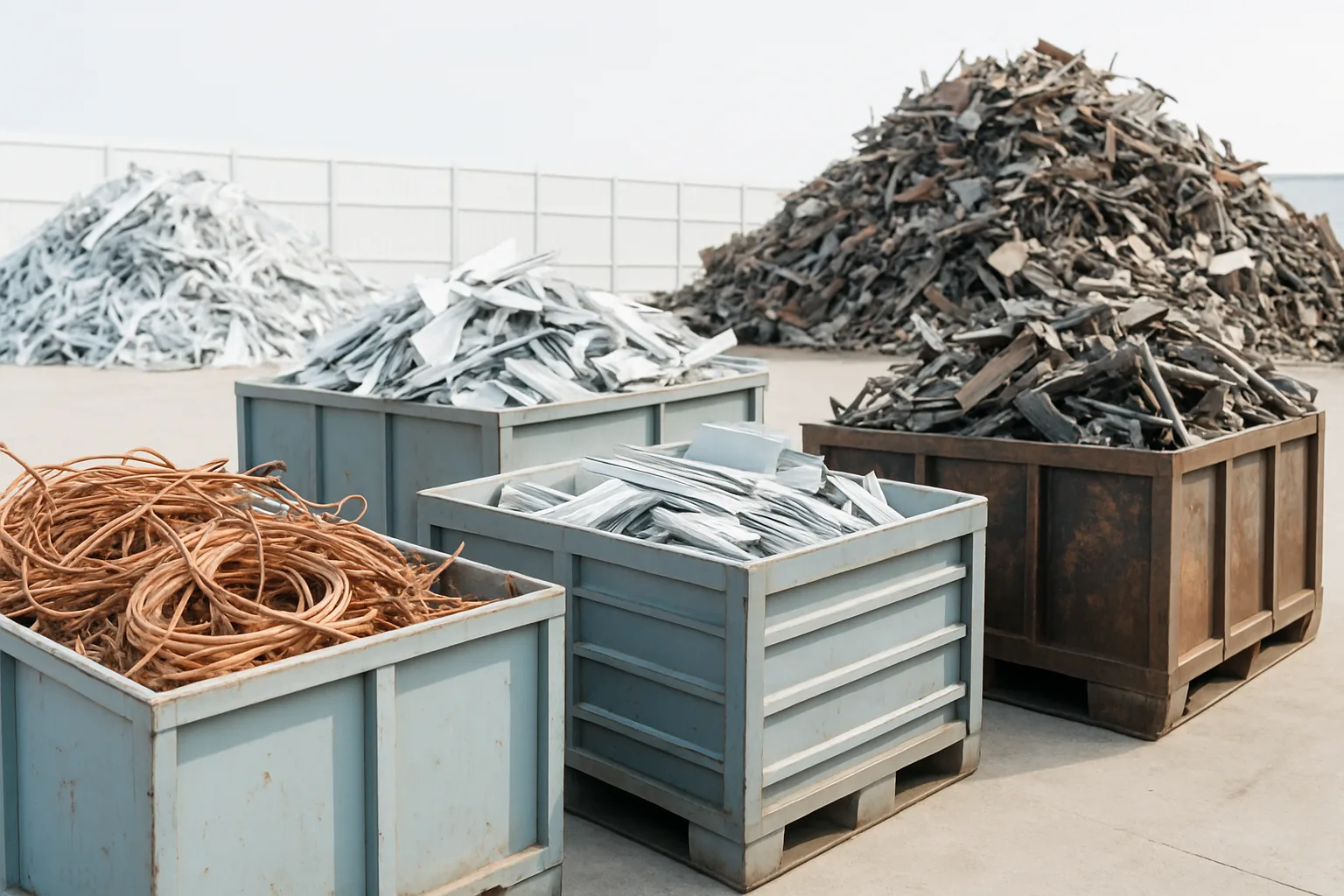
Most scrap sellers in Barrie are leaving money on the table — not because they have bad material, but because they don't know what they're actually holding. Ferrous and non-ferrous metals price out completely differently, pay out at completely different rates, and attract completely different buyers. If you're sorting your loads wrong or selling everything together, you're almost certainly getting less than you should.
This week's market recap breaks down the real difference between ferrous and non-ferrous scrap metals — what they are, why it matters for your payout, and how to make smarter decisions when you're ready to sell. Whether you're a yard operator, a contractor clearing a site, or a first-time seller trying to figure out what your pile is worth, this guide is for you.
If you want to find the best Canadian scrap metal prices today, understanding your material is step one. Let's get into it.
What Are Ferrous Metals — and Why Do They Pay Less?
Ferrous metals contain iron. That's the defining characteristic. Steel and cast iron are the two most common ferrous materials you'll encounter in scrap, and they show up everywhere — old appliances, car frames, structural steel, rebar, I-beams, pipes. If a magnet sticks to it, you're almost certainly looking at a ferrous metal.
Ferrous scrap prices in Canada trade in dollars per gross ton, not per pound. That's your first signal that the margins are different. Steel prices fluctuate based on mill demand, construction activity, and global trade conditions. In 2026, North American steel markets have been watching closely as infrastructure spending continues to move through project pipelines, keeping demand for prime and shredded grades reasonably active — but ferrous is always a volume game. You need a lot of it to make serious money at the yard.
Common ferrous grades you'll encounter:
- #1 Heavy Melt Steel (HMS1): Clean, unprepared steel over 1/4 inch thick. High-value ferrous grade.
- #2 Heavy Melt Steel (HMS2): Lighter gauge, mixed quality. Pays less per ton than HMS1.
- Shredded Steel: Auto bodies and mixed light steel, shredded and processed. A volume grade.
- Cast Iron: Engine blocks, radiators (without fins), old stoves. Prices separate from steel.
- Rebar/Structural: Often sold as a separate grade depending on the yard.
The key point with ferrous: separation matters. A clean load of HMS1 pays more per ton than a mixed pile of light steel and HMS1 thrown together. Sorting your loads before you hit the scale gives you leverage. It's not just a yard habit — it's a pricing decision.
Non-Ferrous Metals: Where the Real Scrap Metal Prices Are
Non-ferrous metals contain no iron (or negligible amounts). The magnet won't stick. And the price per pound? Dramatically higher than ferrous grades.
Copper, aluminum, brass, stainless steel, lead, zinc, nickel — these are all non-ferrous. They're used in electrical systems, plumbing, HVAC equipment, automotive components, and industrial machinery. Because they're more conductive, more corrosion-resistant, and more energy-intensive to produce from ore, they command premium recycling prices.
In Barrie and across Ontario, copper scrap prices are consistently among the highest-watched numbers in the non-ferrous market. Copper trades globally on the London Metal Exchange (LME) and the COMEX in New York, and those benchmark prices ripple directly into what local yards will pay you. When copper prices in Canada are strong, the whole non-ferrous market tends to firm up.
Key non-ferrous grades to know:
- Bare Bright Copper (#1 Copper Wire): The cleanest, highest-paying copper grade. Uncoated, unalloyed, stripped wire.
- #1 Copper: Clean copper pipe and bus bar with no solder, paint, or fittings.
- #2 Copper: Copper with solder joints, fittings, or light coating. Pays less than #1.
- Insulated Copper Wire: Grade depends heavily on copper content percentage inside the insulation. Always ask how the yard grades it.
- Cast Aluminum / Extruded Aluminum: Two different grades, two different prices. Know which you have.
- Yellow Brass / Red Brass: Different zinc content, different prices.
- Stainless Steel: Non-magnetic (mostly), pays well compared to carbon steel, varies by grade (304 vs. 316).
Copper scrap prices Barrie sellers can access have been subject to significant movement in 2026 as global demand for copper in EV manufacturing, grid infrastructure, and data centers keeps underlying demand strong. That doesn't mean prices are always high — they move daily. But understanding that your copper wire and your steel pipe are entirely different commodities is non-negotiable knowledge for anyone serious about getting the best scrap metal prices Ontario has available.
To check current Canadian scrap metal prices for both ferrous and non-ferrous grades, always compare multiple buyers — a single phone call to a single yard is the old way of doing this.
Catalytic Converters: The Non-Ferrous Category Most Sellers Undervalue
Catalytic converters deserve their own conversation. They're technically non-ferrous in terms of what makes them valuable — but the pricing mechanism is completely different from copper or aluminum.
Inside every cat is a ceramic substrate coated with platinum group metals (PGMs): platinum, palladium, and rhodium. These are among the most valuable metals on the periodic table. The external shell is stainless steel, which has scrap value too, but it's the PGM content that drives the real payout.
Cat prices vary by make, model, year, and engine type. A domestic cat off a full-size truck pays very differently from a small import cat off a four-cylinder sedan. If you're selling cats without knowing what's inside them, you're guessing — and guessing usually means leaving money on the table.
The ability to sell catalytic converters online through platforms like SMASH changes the game here. SMASH uses VIN lookup and serial tracking to properly identify and document your cores before they go to buyers. That documentation matters. Vetted buyers competing for your cats — rather than one local offer with no competition — is how you get better price discovery on high-value material.
If you're sitting on a load of cats and you've only gotten one offer, that's not a market price. That's a guess from one buyer. Competition reveals the real number. For sellers in Barrie or anywhere across Ontario, that's worth understanding before you move your next load of cores.
How to Sort Your Scrap for Better Prices: Practical Tips for Barrie Sellers
Knowing the difference between ferrous and non-ferrous is only useful if you act on it. Here's what good sorting actually looks like in practice:
- Run a magnet through everything. Sort iron and steel into one pile. Everything the magnet won't stick to goes into a separate category and gets sorted further from there.
- Keep copper grades separated. Don't mix bare bright with #2 copper or insulated wire. Each grade has a different price, and mixing contaminates your clean material.
- Don't mix aluminum grades. Cast aluminum and extruded aluminum pay at different rates. Sheet aluminum is another grade again.
- Pull your cats, cores, and non-ferrous out of vehicles before scrapping. If you're selling a vehicle, separate the catalytic converters and copper wiring before the car goes to the shredder — otherwise that value disappears into the ferrous pile.
- Document your loads. Photos, weights, and grade descriptions. Buyers on platforms like SMASH make higher offers when they can see what they're buying.
- Know what you can't sort yourself. Sealed units (transformers, motors) contain copper inside. Yards or platforms that can help you understand the copper content give you better transparency on value.
The best scrap metal prices near me — whether you're in Barrie, Hamilton, or anywhere else in Ontario — don't come from walking in with an unsorted, mixed load and hoping the scale operator gives you a fair split. They come from knowing your material and presenting it clearly.
You can read the latest Canadian scrap metal pricing guides to stay current on grade definitions and market pricing trends across ferrous and non-ferrous categories.
How SMASH Helps Ontario Scrap Sellers Get Competitive Prices
The traditional model — one yard, one call, one offer — is a pricing problem. Not a logistics problem. It's a pricing problem because without competition, you have no way to know if you're getting market value or just whatever that one buyer feels like paying today.
SMASH is a vetted-buyer auction platform built for exactly this situation. Whether you're moving non-ferrous loads, catalytic converter cores, or mixed ferrous material, SMASH puts documented inventory in front of multiple competing buyers. The auction format creates price discovery. Competition pushes the number. No subscription fees — SMASH only wins when you win.
For sellers in Barrie, that means access to buyers across North America, not just whoever picks up the phone locally. The platform handles inventory documentation, photo requirements, VIN lookup for automotive material, serial tracking for high-value items, and auto-invoicing. It's built so that more information about your load leads to more confident bids from buyers — and more confident bids trend higher.
If you're moving serious volume or high-value non-ferrous material, reach out directly: jeff@smashscrap.com. That's the fastest path to getting your loads in front of vetted buyers.
You can also find the best price for your scrap in Canada through the SMASH platform directly.
This Week's Market Snapshot: Ferrous and Non-Ferrous in 2026
July 2026 markets continue to reflect a mixed picture across ferrous and non-ferrous categories. Steel mill activity in North America remains active but cautious, with buyers watching inventory levels closely heading into late summer. Ferrous scrap grades are moving, but margins are tight and volume matters.
Non-ferrous, particularly copper, continues to benefit from structural demand drivers — electrification, grid upgrades, and manufacturing investment in North America. That demand doesn't guarantee high prices day to day, but it creates a floor of activity that keeps the market liquid.
Aluminum remains active, particularly for automotive and extruded grades. Catalytic converters have seen PGM prices settle somewhat from earlier 2026 peaks, but well-documented, properly identified cats still attract strong buyer interest on platforms like SMASH.
Disclaimer: Scrap metal prices fluctuate daily based on global commodity markets, local yard conditions, and material quality. Always check current rates before selling. The information in this article reflects general market conditions as of July 2026 and should not be treated as a price guarantee.
Whether you're a Barrie scrap metal services customer or selling anywhere across Ontario, the bottom line is the same: know your material, sort it properly, and don't settle for the first number you hear. The best Canadian scrap metal prices are out there — check rates at best-scrap-prices.ca.
Frequently Asked Questions
Q: How do I know if my scrap metal is ferrous or non-ferrous?
Use a magnet. Ferrous metals like steel and cast iron will stick to a magnet because they contain iron. Non-ferrous metals like copper, aluminum, brass, and stainless steel won't. This simple test is how most scrap yard operators sort material on the floor every day.
Q: What non-ferrous metals pay the most at scrap yards in Barrie?
Bare bright copper consistently commands the highest price per pound among common non-ferrous grades. After that, #1 copper, yellow brass, and certain aluminum grades pay well. Catalytic converters can be extremely high-value depending on make and model — never sell them without identifying what's inside first.
Q: Can I sell catalytic converters online instead of at a local yard?
Yes — and for many sellers, online platforms like SMASH offer better price discovery because multiple vetted buyers compete for your material. Local yards typically give you a single offer with no competition. Proper documentation and identification of your cats before selling is essential to getting a fair number.
Q: How often do scrap metal prices change in Ontario?
Non-ferrous prices like copper and aluminum can change daily based on commodity exchange prices (LME, COMEX). Ferrous prices tend to move weekly or monthly, tied to mill buying programs and scrap inventory levels. Always check current rates before you haul a load — prices from last week may not reflect today's market.
Q: Is it worth sorting my scrap before going to a yard?
Absolutely. Mixing clean copper with insulated wire, or throwing aluminum in with your steel, results in the yard pricing everything at the lowest grade in the pile. Sorted, clean loads get grade-specific prices — which almost always adds up to a better total payout. Sorting is free. Leaving money on the table isn't.
Stay current on scrap market trends and pricing insights — follow SMASH on LinkedIn for weekly industry updates and non-ferrous market news.