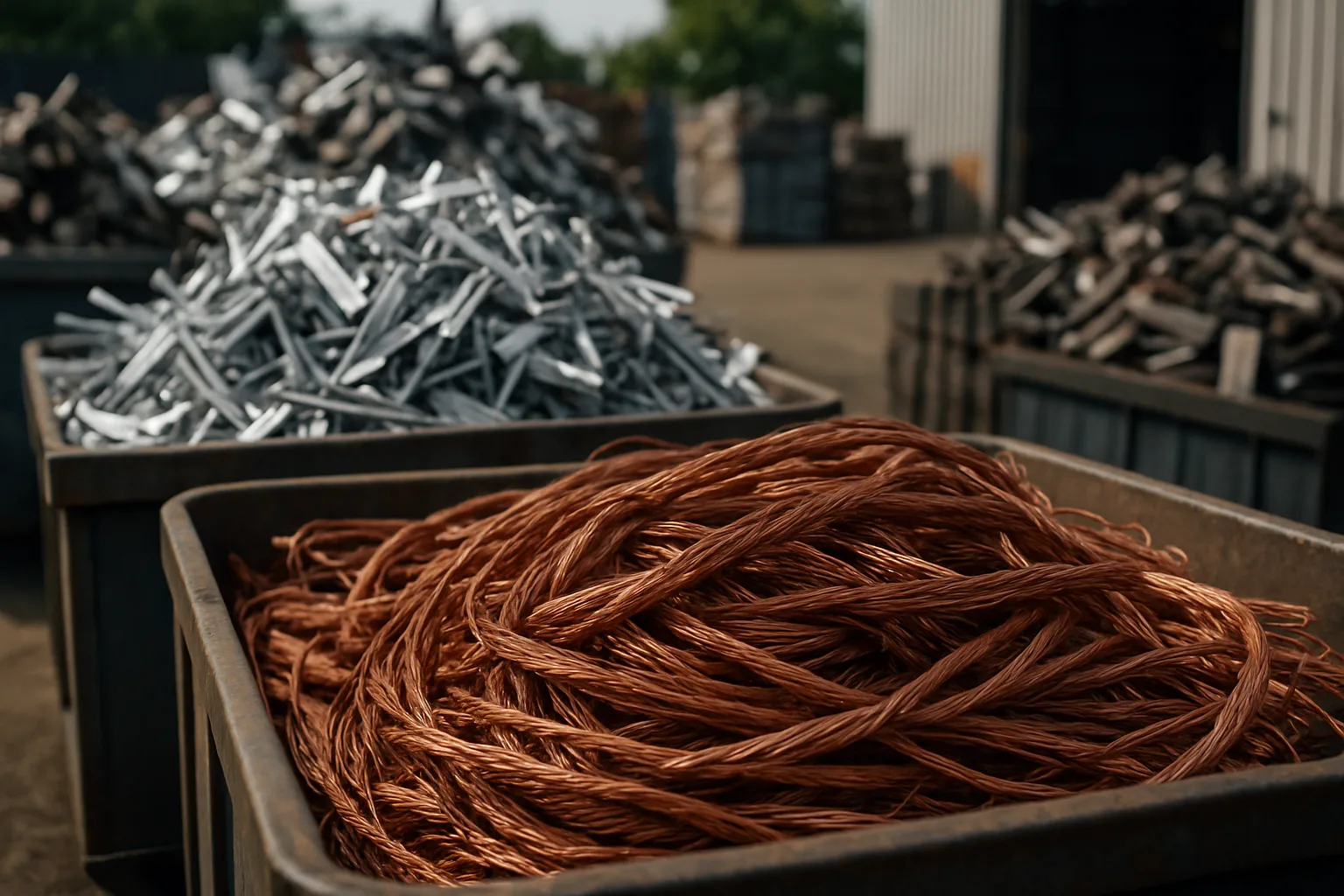
The scrap metal market in mid-2026 looks nothing like it did two years ago. Global steel output is under pressure. Copper demand from EV manufacturing and grid infrastructure continues to reshape non-ferrous pricing. And yards across British Columbia are fielding more questions about catalytic converter values than ever before. If you're doing scrap metal recycling in Richmond without watching these trends, you're leaving money on the table — plain and simple.
This isn't a generic market overview. It's a ground-level breakdown of what's actually moving prices right now, what to watch heading into Q3 and Q4 of 2026, and how sellers in the Lower Mainland can position themselves to get a better return on every load. Platforms like smashrecycling.ca are making it easier to stop guessing and start selling with actual price discovery behind you.
---Copper Is Still the Benchmark — But the Story Is More Complicated
Copper remains the metal everyone watches first. It's the canary in the economic coal mine. When construction slows, copper drops. When grid investment accelerates — and right now, North American grid upgrades are moving at a pace not seen in decades — copper gets support from multiple demand sources simultaneously.
In 2026, that competition for copper supply is real. EV battery systems, charging infrastructure, industrial motors, and traditional construction are all drawing on the same scrap stream. For sellers in Richmond with access to bare bright wire, #1 copper tubing, or even mixed copper loads, this matters. Don't assume your yard is offering you a competitive number just because they're busy. Check current Canadian scrap metal prices before you book a pickup or haul a load anywhere.
- Bare bright wire: Consistently commands the highest premium — keep it separated.
- #1 copper: Tubing, bus bar, clean copper — still strong demand from domestic processors.
- #2 copper: Mixed or lightly contaminated — price spread from #1 can be significant, so cleaning your material pays off.
- Copper breakage / mixed loads: Know what you have. Bundling clean copper with dirty copper costs you money.
The takeaway: copper scrap prices in Richmond can vary meaningfully from yard to yard. Don't settle for one quote.
---What's Happening With Steel and Ferrous Metals in British Columbia
Steel has had a rougher 2026. North American mills are navigating a complicated mix of tariff uncertainty, import competition, and softer domestic construction starts in some regions. That pressure flows downstream to scrap yards, and ultimately to you as a seller.
That said, HMS (heavy melting steel), shredded steel, and structural scrap still move in volume. The key shift is margin compression. Yards are tighter on their spread, which means sellers who can deliver clean, well-sorted loads — free of excessive attachments, non-ferrous contamination, or oversized pieces — are in a better negotiating position than those hauling mixed, dirty material.
In British Columbia, where demolition and construction activity remains active in Metro Vancouver and the surrounding regions, there's consistent supply of structural steel entering the scrap stream. If you're a contractor, demolition crew, or yard operator moving ferrous volume, preparation matters more now than it did when margins were fat.
- Sort your ferrous loads. HMS 1 and HMS 2 are priced differently — know which you have.
- Remove excess non-ferrous attachments where practical. It signals professionalism and can influence your offer.
- Timing still matters. End-of-quarter inventory movements by mills can create short windows of better pricing.
Catalytic Converter Prices: The Most Volatile Line Item in Your Load
If you've got cats in your inventory, you already know this market has been anything but predictable. Platinum group metal (PGM) prices — palladium, platinum, rhodium — drive catalytic converter values, and those markets respond to auto production forecasts, EV adoption curves, and mining supply from a handful of concentrated global sources.
In 2026, the trend toward hybrid vehicles has actually sustained PGM demand longer than some analysts predicted. Full EV adoption is happening, but slower than projected — and hybrids still use catalytic converters. That's kept the floor under cat prices more stable than some feared two years ago.
The ability to sell catalytic converters online through platforms with serial tracking and photo documentation has changed the game for yards and individual sellers. Instead of accepting a single yard's offer on a pile of cats, you can document what you have — by serial number, condition, and vehicle application — and let vetted buyers compete for that inventory. SMASH uses VIN lookup and serial tracking specifically to bring transparency to a market that has historically rewarded the buyer who knows more than the seller.
If you're sitting on a pallet of mixed cats, that documentation step alone can change your outcome significantly. Buyers pay more when they know exactly what they're bidding on. Read the latest Canadian scrap metal pricing guides for more detail on how to document and value your catalytic converter inventory before you sell.
---How Richmond Sellers Can Position Themselves for Better Prices This Quarter
Here's a real-world scenario that plays out regularly. A Richmond-area seller — maybe a tow yard, auto recycler, or small demolition contractor — has been calling the same buyer for years. One price, one call, done. It's easy. It's also costing them money they don't know they're missing.
The shift to auction-based selling isn't about distrust. It's about information. When you put a load in front of multiple vetted buyers simultaneously, you find out what the market actually thinks your material is worth — not just what one buyer wants to pay this week. That's price discovery. And for Richmond scrap metal services, having access to that competition can make a meaningful difference on every transaction.
Here's what the more sophisticated sellers in the region are doing differently in 2026:
- Documenting inventory properly. Photos, weights, grades, condition — before the sale. This removes uncertainty and supports higher bids.
- Separating materials. Mixed loads invite lowball offers. Sorted, graded material invites competition.
- Timing loads strategically. Selling at month-end, before or after major LME moves, can affect outcomes. Watch the calendar, not just the price board.
- Using platforms that bring buyers to you. SMASH aggregates vetted buyers across North America who are actively competing for loads. That's leverage you don't have with a single-buyer relationship.
- Checking prices before committing. Find the best Canadian scrap metal prices today — don't walk into a yard without knowing what the market looks like.
Aluminum, E-Scrap, and the Non-Ferrous Metals Worth Watching
Aluminum deserves more attention than it gets from casual sellers. Cast aluminum, extrusion aluminum, and aluminum used in vehicles and electronics all price differently. With North American auto manufacturing leaning harder on aluminum-intensive body structures to hit weight targets, clean auto-body aluminum is seeing steady demand from downstream processors.
E-scrap — circuit boards, wire harnesses, power supplies — is another stream that rewards sellers who know what they have. Precious metal content in high-grade boards can make this material worth far more than its weight in plastic and aluminum suggests. If you're discarding electronics as a side stream of your core scrap operation, get a second opinion on value before you move it at commodity rates.
Stainless steel, brass, and lead round out the non-ferrous picture. Brass plumbing fixtures from demo work in Richmond's active housing and renovation market are worth sorting and weighing separately. Don't let a yard mix them into a catch-all non-ferrous bucket without getting a proper grade-specific offer.
---What to Watch in Q3 and Q4 2026
The second half of 2026 brings a few market variables worth tracking closely if you're a regular scrap seller in British Columbia.
Trade policy remains a wildcard. Steel and aluminum tariff structures on cross-border trade have shifted multiple times in recent years. Any changes to Section 232 provisions or Canadian countermeasures affect domestic mill demand for scrap — and that flows directly into yard buying prices. Watch for federal announcements out of Washington and Ottawa in Q3.
Infrastructure spending remains a demand driver. Grid upgrades, transit projects, and public infrastructure work across Canada and the U.S. continue to support copper and steel demand. British Columbia specifically has active transit and utility projects in the pipeline. That regional demand matters for scrap flow.
Seasonal patterns still apply. Construction activity — and the scrap it generates — typically peaks in summer and into early fall. That's where you are right now. If you have inventory, this is not the time to sit on it hoping for a November rally. Move your material while demand from processors is strong.
PGM prices and the auto market. Watch global auto production data. Any supply chain disruption that slows new car production typically supports PGM prices, which supports catalytic converter values. Conversely, a surge in EV adoption announcements can create short-term downward pressure on palladium.
The market rewards sellers who pay attention. Checking rates regularly — especially for copper scrap prices in Richmond and catalytic converter values — takes minutes and can change the outcome on a significant load. That's not complicated. It's just discipline.
If you're ready to stop guessing and start selling with real market competition behind you, the tools are there. Platforms like SMASH connect vetted buyers to seller inventory — with documentation, transparency, and an auction format that does the work your phone calls never could. When it's time to move your next load, find the best Canadian scrap metal prices today and go in with data, not hope.
---Frequently Asked Questions
Q: What scrap metals are worth the most for sellers in Richmond right now?
Non-ferrous metals consistently outperform ferrous on a per-pound basis. Bare bright copper wire, clean #1 copper, and properly documented catalytic converters typically command the highest per-unit prices. Aluminum extrusions and clean stainless steel also offer solid returns when separated and graded properly before selling.
Q: How do copper scrap prices in Richmond compare to the rest of Canada?
Copper pricing in Richmond tracks global LME benchmarks but can vary from yard to yard based on local demand, processing capacity, and buyer competition. Getting multiple offers — rather than relying on a single yard's posted price — is the most reliable way to ensure you're seeing the actual market rate for your material.
Q: Can I sell catalytic converters online from British Columbia?
Yes. Platforms with serial tracking and photo documentation allow sellers in British Columbia to list catalytic converter inventory and receive competitive bids from vetted buyers across North America. Proper documentation of each unit — by serial number and condition — typically supports stronger offers than walk-in sales at a single yard.
Q: How do I know if a scrap buyer is offering me a fair price?
The best benchmark is comparison. Check posted price guides, use auction platforms that create buyer competition, and sort your material before selling — mixed or dirty loads invite lower offers. Platforms like SMASH create transparency by putting your inventory in front of multiple vetted buyers simultaneously, which gives you real price discovery rather than a single buyer's number.
Q: Is now a good time to sell scrap metal in Richmond?
Mid-2026 shows active demand in key categories, particularly non-ferrous metals tied to infrastructure and EV-adjacent industries. Summer typically brings strong scrap supply, and yards are moving material actively. That said, prices fluctuate — check current rates before you commit to a sale and use competitive platforms to maximize your return on each load.
---Disclaimer: Scrap metal prices fluctuate daily based on global commodity markets, local demand, and material grade. All pricing references in this article are general in nature. Always verify current rates before selling.
Follow SMASH on LinkedIn for ongoing scrap metal market updates, pricing insights, and industry news: SMASH on LinkedIn.