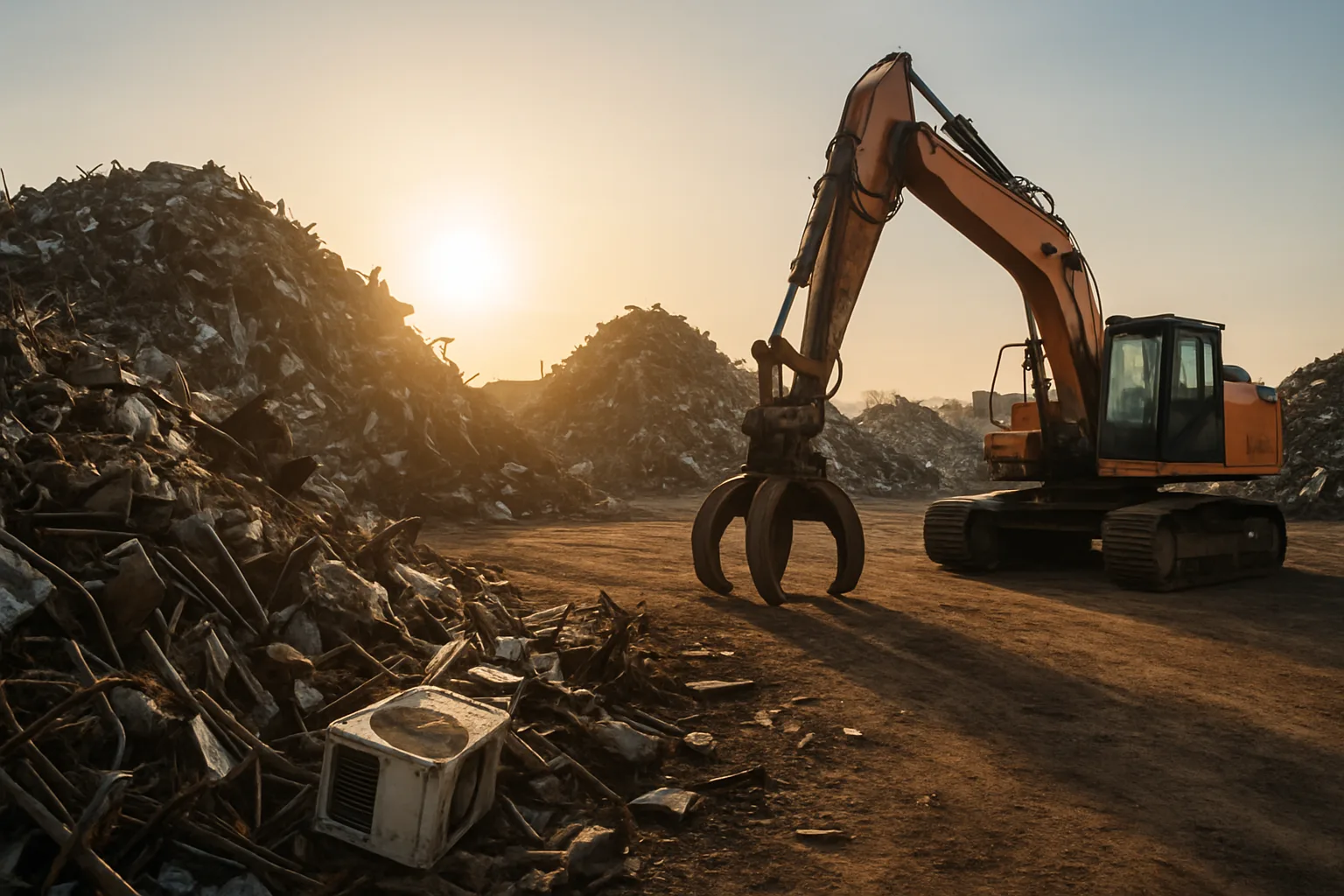
Why Small-Scale Scrap Collectors in Fredericton Leave Money on the Table
Most small-scale collectors don't lose money on bad hauls — they lose it on bad information. You're pulling copper wire, aluminum extrusions, or a trunk full of mixed non-ferrous, and you have no real idea what the market is paying today. You drive to the nearest yard, take whatever they offer, and call it a win. That's not a win. That's a guess dressed up as a transaction.
If you're collecting scrap in Fredericton or anywhere across New Brunswick, the gap between what you accept and what you could earn is almost always about preparation, not volume. Here's how to close that gap — load by load.
Know What You're Carrying Before You Pull In
This sounds obvious. It isn't. A lot of collectors sort loosely — "copper stuff" in one bin, "aluminum stuff" in another — without understanding that grade distinctions inside those categories can swing your payout significantly. Bare bright copper and insulated wire are not the same thing. Cast aluminum and sheet aluminum are not the same thing. Yards pay differently for each, and if you can't name what you've got, you can't argue the price.
Before any haul, spend time learning the grades you typically handle. Focus on what you actually collect. If you're pulling a lot of old plumbing, learn the difference between #1 copper and #2 copper. If you're stripping appliances, know the difference between cast aluminum and clean sheet. The more precisely you can describe your load, the harder it is for a buyer to lump everything into a lower grade just because it's easier.
- Copper grades to know: Bare bright, #1 copper, #2 copper, insulated wire (by insulation percentage), copper solids
- Aluminum grades to know: Clean sheet, cast, extrusion, painted/coated, mixed/contaminated
- Steel and iron: HMS (heavy melting steel), light iron, cast iron, auto bodies — each priced separately
- Non-ferrous catch-all: Brass, stainless, zinc, lead — all worth calling out individually rather than lumping
Understanding aluminium scrap value per kg matters more than most collectors realize, because aluminum volume adds up fast. A 200-pound load of clean extrusion pays noticeably better than the same weight in mixed or coated material. Sorting before you arrive at the yard takes maybe 20 minutes. It can make a real difference in what you walk away with.
Track Prices — Don't Just React to Them
Metal markets move. Copper doesn't sit still. Aluminum doesn't either. If you're collecting regularly, you need a baseline sense of where prices are trending, not just a snapshot from last Tuesday. When copper is climbing, that's the time to move your stockpile. When it's dropping, sitting on clean material for a few weeks might make sense if storage allows.
This doesn't mean obsessing over commodity markets. It means checking in regularly. Use resources that give you real Canadian pricing context — not U.S. spot prices that don't reflect what New Brunswick yards are actually paying. To check current Canadian scrap metal prices, bookmark a reliable source and make it part of your routine before major hauls.
A few habits that help:
- Check prices weekly, not monthly — weekly tracking catches trends early
- Note what local yards are posting versus national benchmarks — the spread tells you something about local supply and demand
- Keep a simple log: date, metal type, weight, price per kg, total payout — three months of data will show you patterns you can act on
- Factor in fuel and time — a marginally higher price across town might not be worth it for a small load, but for a significant haul, it might be
Collectors who track prices even loosely outperform those who don't. You don't need a spreadsheet or software — a notes app on your phone works fine. The point is awareness, not precision.
Sort Better, Earn More — The Simple Math of Clean Loads
Contamination is expensive. A load of aluminum with plastic still attached, or copper with too much insulation left on it, gets graded down. The yard isn't trying to cheat you — they're managing processing costs. But the result is the same: you get less per kilogram than the clean version of that material would have paid.
Stripping wire before delivery pays off almost every time on higher-value material. For low-grade insulated wire in small quantities, it may not be worth the labor — run the math based on what clean wire pays versus insulated in your area. But for anything you're moving regularly in decent volume, clean prep is money in your pocket.
The same logic applies to steel and mixed loads. A bin full of clean HMS moves faster and pays better than a mixed load full of light gauge, painted steel, and random hardware. Sort aggressively at the collection point — not at the yard gate where you're rushed and the pricing pressure is already on.
For collectors in Fredericton working construction sites, demolition cleanups, or appliance pickups, the sorting discipline is especially important. Those sources produce mixed material by default. The collector who takes the time to separate comes out ahead of the one who just dumps everything in a pile and hopes for the best.
Stop Selling to One Buyer
This is the single biggest earner mistake in small-scale collecting. You find a yard that's easy to deal with, they're friendly, the process is smooth — so you just keep going back. Comfortable isn't the same as competitive. If only one buyer knows what you have, only one buyer sets the price.
Competition is how you find out what your load is actually worth. Even calling two or three yards before a significant haul gives you real data. You might find that the yard you've been using is paying fairly — or you might find there's a meaningful difference. Either way, you know. Guessing is not a pricing strategy.
Platforms built for exactly this problem exist. SMASH Recycling — where verified buyers bid on your metal — puts your load in front of multiple vetted buyers who compete for it. That's not a sales pitch, it's just how price discovery works. More bidders on the same load means you're more likely to find out what the market actually wants to pay, rather than what a single buyer feels like offering today.
For collectors moving consistent volume — even at the smaller end — connecting with a B2B scrap metal marketplace changes the dynamic. Instead of you chasing buyers, buyers come to you. The old model (one phone call, one price, no comparison) is how yards stay comfortable. The new model is how collectors get paid properly.
Find the Right Buyers for Your Material — Especially for Specialty Scrap
Not every yard is set up to handle every type of scrap. If you're collecting catalytic converters, for example, you need a buyer who actually assesses PGM (platinum group metal) content — not one who's just throwing out a flat-rate guess. The same applies to stainless, electronic scrap, or high-grade non-ferrous material that requires assay or grading expertise.
When you search scrap metal near me open now, you're optimizing for convenience. That's fine for everyday loads of light iron or mixed steel. But for specialty material, optimize for expertise and competition. A general yard might lowball a converter or a bundle of high-grade brass because they're not set up to process it. A specialized buyer with real volume in that category will pay more because they can move it more efficiently.
Doing a little research on which buyers in and around Fredericton specialize in what saves you from leaving money on the table just because you went to the closest place. Ask directly: "Do you handle a lot of [material type]?" Their answer — and their price — will tell you everything. To find the best Canadian scrap metal prices today, matching your material to the right buyer category matters as much as the price itself.
Document Everything — It Protects You and Builds Your Credibility
Small-scale collectors often skip documentation because they think it's only for big commercial accounts. That's a mistake. Photo documentation of your loads before delivery — weights, grades, condition — creates a record that protects you in disputes and builds your reputation as a serious seller over time. Yards that see you come in with organized, documented loads tend to deal with you more seriously. That translates to better pricing relationships.
Weight tickets are the obvious minimum — always get them, always keep them. But going further than that costs almost nothing. A few photos on your phone before you drop a load takes 90 seconds. Over time, that documentation gives you data on your own hauls: what grades you're consistently pulling, what your average load weights look like, and where your pricing sits against the market. If you ever scale up and start working with a platform like SMASH, that kind of documentation makes listing your material faster and your listings more credible to buyers.
To read the latest Canadian scrap metal pricing guides and stay current on what documentation and market knowledge can do for your bottom line, make it a regular habit — not a one-time read.
Collecting scrap in New Brunswick is real work. The collectors who get paid well for that work are the ones who treat it like a business — even when it's a side hustle. Know your material, track the market, sort clean loads, and never settle for one buyer's number on anything worth competing for. The market is there. You just have to show up informed enough to access it. Check rates and get started at best-scrap-prices.ca — knowing what your load is worth before you pull into a yard is the simplest thing you can do to earn more from every haul. Explore Fredericton scrap metal services for local pricing resources built for collectors in your area.
Frequently Asked Questions
Q: What are the best scrap metal prices in Fredericton right now?
Scrap metal prices change frequently based on commodity markets, local supply, and buyer demand. The best way to know current rates in Fredericton is to check a live pricing resource like best-scrap-prices.ca and compare what local yards are posting. Prices for copper, aluminum, and steel can vary week to week, so checking before a major haul is always worth it.
Q: How much is aluminium scrap worth per kg in Canada?
Aluminum scrap value per kg in Canada depends heavily on the grade — clean extrusion pays significantly more than cast aluminum or mixed/contaminated material. Prices also vary by region and market conditions. Always sort and identify your aluminum grade before selling, as it directly affects what you're paid. Check current rates at best-scrap-prices.ca for up-to-date Canadian figures.
Q: Is it worth stripping copper wire before selling it as scrap?
For higher-gauge wire with significant copper content, stripping before delivery almost always improves your payout per kilogram. For thin or low-grade insulated wire in small quantities, the labor may not be worth it — compare what your local yard pays for insulated versus bare wire to decide. On larger volumes, clean wire consistently pays more and speeds up the transaction at the yard.
Q: How do I find a scrap metal buyer near me in Fredericton that's open now?
Searching "scrap metal near me open now" will surface local yard hours and locations in the Fredericton area. For routine loads of steel or light iron, convenience matters most. For specialty material — converters, high-grade copper, non-ferrous — prioritize buyers with expertise in that material type over just proximity, as specialized buyers typically pay more for material they actively handle.
Q: What is a B2B scrap metal marketplace and can small collectors use one?
A B2B scrap metal marketplace connects sellers directly with multiple verified buyers who compete on price — rather than the seller negotiating with one yard at a time. Platforms like SMASH are designed to bring competition to the sale, which helps with price discovery. Small collectors with consistent volume or specialty material can benefit, particularly on loads where a single buyer's offer might not reflect the real market.
Stay current on scrap metal market trends and industry news — follow SMASH on LinkedIn for regular updates, pricing insights, and practical guides for collectors and yard operators across North America.
Disclaimer: Scrap metal prices fluctuate based on commodity markets, regional demand, and material grade. All pricing information is general in nature. Always verify current rates with local buyers or at best-scrap-prices.ca before making selling decisions.