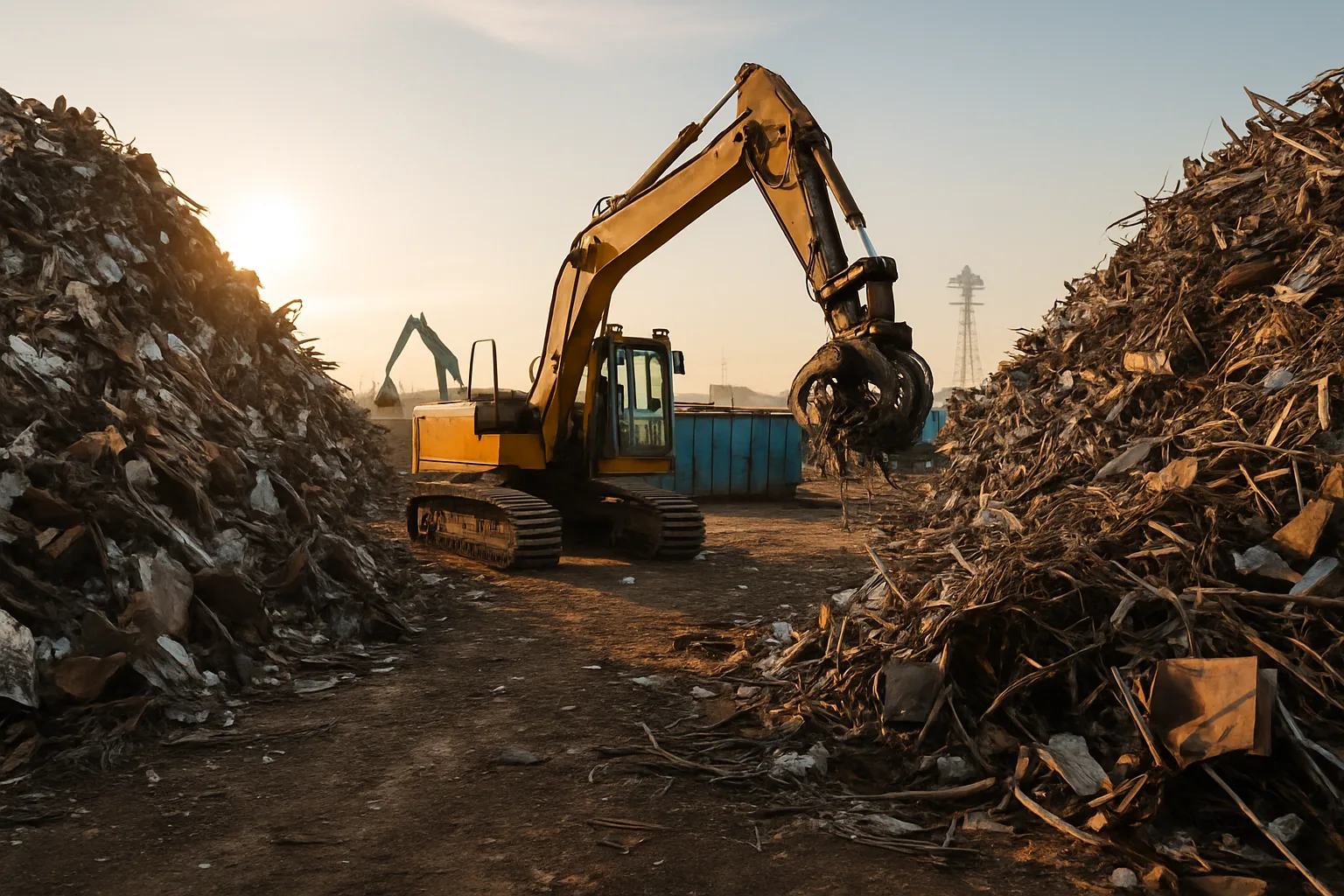
Why Environmental Regulations Are Reshaping the Scrap Metal Market in 2026
Most scrap sellers think about one thing: price. But in 2026, the rules around how you sell matter just as much as what you get paid. Environmental regulations for scrap metal recycling have tightened across Canada — and if you're operating in Quebec, you're dealing with some of the most detailed compliance requirements on the continent. Understanding these rules isn't just about avoiding fines. It's about knowing how they affect your bottom line, your buyer options, and where a scrap metal auction fits into the picture.
Quebec City yards and sellers across the province have felt this shift directly. Stricter documentation requirements, tighter rules on hazardous materials handling, and increased scrutiny of scrap transactions are all part of the landscape right now. The good news: sellers who adapt are finding that better compliance often comes with better prices — because documented, clean loads attract more serious buyers.
The Current Regulatory Environment for Scrap Metal in Quebec
Quebec operates under a layered regulatory framework. The province's environmental rules — enforced through the Loi sur la qualité de l'environnement (Environment Quality Act) and associated regulations — set the baseline. Federal rules around the transport of dangerous goods add another layer. And municipal requirements in areas like Quebec City can add local conditions on top of that.
As of 2026, here's what scrap metal sellers in Quebec need to stay aware of:
- Hazardous materials documentation: Fluids, batteries, and certain metals must be tracked and disposed of according to provincial hazmat rules. This includes mercury switches in older vehicles and PCB-containing components.
- Catalytic converter traceability: Provincial regulations require detailed records for catalytic converter transactions. If you want to sell catalytic converters online or through any platform, serial numbers, photos, and chain-of-custody documentation are now standard — not optional.
- Bill of Lading and packing list requirements: Loads moving across provincial or national borders require accurate BOLs and packing lists. Incomplete paperwork delays payment and flags loads for inspection.
- Facility licensing: Operating a collection or processing facility in Quebec requires specific environmental authorizations. Running without proper licensing exposes operators to significant fines.
- Anti-theft compliance: Quebec's regulations around scrap metal purchasing — particularly copper and catalytic converters — require identity verification, transaction logs, and waiting periods before resale in certain categories.
This isn't just red tape. These requirements exist because the scrap sector has historically been a target for theft, fraud, and improper disposal of hazardous materials. Platforms and buyers who take compliance seriously are filtering out the bad actors — and that creates real advantages for legitimate sellers.
How Environmental Rules Affect Steel Scrap Prices and Non-Ferrous Values
If you're watching the steel scrap price today, you already know global factors drive the market — demand from steel mills in the U.S. and Asia, energy costs, freight rates. But environmental compliance costs are increasingly baked into local pricing as well.
Yards that invest in proper fluid drainage, separation of regulated materials, and documented processing pass some of those costs into their buying spreads. A seller showing up with a clean, documented load — fluids drained, components catalogued, photos taken — is worth more to a compliant buyer than an undocumented pile of mixed metal. That's not opinion. It's the reality of how serious buyers assess risk in 2026.
For non-ferrous metals like copper and aluminum, the same logic applies. Clean, properly sorted copper commands a meaningfully better price per pound than contaminated mixed loads. Aluminum from documented sources moves faster through auction because buyers know exactly what they're bidding on. If you're trying to get the best scrap metal prices in Quebec, the path runs directly through documentation and load quality — not just volume.
Want to understand how current rates line up against your material? You can check current Canadian scrap metal prices before you decide when and how to sell.
Catalytic Converters: The Most Regulated Category Right Now
No category in scrap has attracted more regulatory attention than catalytic converters. The precious metals inside — platinum, palladium, and rhodium — make cats a high-value, high-theft-risk material. Quebec City has seen its share of catalytic converter theft cases, and that pressure has pushed stricter rules at the provincial level.
If you're looking to sell catalytic converters online, here's what you need to have in order:
- VIN documentation: Tying a cat to a specific vehicle through VIN lookup is increasingly expected by compliant buyers. Platforms like SMASH include built-in VIN lookup to make this straightforward.
- Serial number tracking: Each catalytic converter has a serial number. Documenting this protects you legally and gives buyers the confidence to bid competitively.
- Photo documentation: Clear photos of the unit, including serial numbers and visible condition, reduce disputes and increase buyer confidence in an auction environment.
- Identity verification: Quebec regulations require sellers to provide verifiable identification for catalytic converter transactions. Platforms that handle this digitally save time and keep you compliant.
The sellers who have this dialed in are finding that compliant, documented cats move quickly through auction and attract real competition. SMASH was built with exactly this workflow in mind — serial tracking, VIN lookup, photo documentation, and vetted buyers who know what they're looking for.
What a Scrap Metal Auction Does That a Phone Call Can't
Here's the old way: you call your one buyer, they give you a number, you accept it or walk away. No visibility into whether that number is fair. No way to know if three other buyers would have paid more. No documentation trail if something goes sideways.
A scrap metal auction flips that dynamic entirely. Competition between vetted buyers creates price discovery. Documentation requirements — built into the platform — mean you're already compliant before the load ships. Auto-invoicing handles the paperwork. And GST/HST handling is built in for Quebec sellers, which matters when you're dealing with provincial tax obligations.
For sellers in Quebec City looking for a Quebec City scrap metal services that actually competes for your loads, the auction model is the clearest path to knowing what your material is actually worth in today's market. Not what one buyer tells you — what the market actually pays when buyers compete.
Platforms like SMASH connect sellers with vetted buyers across North America. No subscription fees. No guessing. More buyers means better price discovery — that's not a slogan, it's how auctions work. You can learn more about how this works through Canada's B2B scrap recycling marketplace.
Practical Steps for Quebec Sellers to Stay Compliant and Get Competitive Prices
Regulation doesn't have to slow you down. The sellers who move fastest and get the best prices are the ones who've built compliance into their process — not bolted it on at the last minute. Here's a practical checklist for Quebec scrap sellers in 2026:
- Document everything before it leaves your yard. Photos, serial numbers, VINs, material grades. If a buyer asks, you want the answer ready.
- Separate your loads by material type. Mixed loads pay mixed prices. Clean copper is worth far more than copper mixed with insulation and steel. Same goes for aluminum grades.
- Know your hazmat obligations. Fluids, batteries, and regulated components have specific disposal requirements in Quebec. Non-compliance exposes you to provincial enforcement — and it's not worth it.
- Use platforms that handle compliance paperwork. Auto-generated invoices, GST/HST handling, and built-in documentation tools reduce your administrative burden and keep your transactions clean.
- Stay current on regulation changes. Quebec's environmental rules have evolved in recent years and will continue to. Follow updates from the Ministère de l'Environnement and industry associations.
- Check prices before you sell. Market conditions shift. Steel scrap prices, copper rates, and platinum group metal values for cats all move with global supply and demand. Selling without checking current rates leaves money on the table.
If you want to stay current on market trends and regulatory updates that affect scrap metal pricing across Canada, read the latest Canadian scrap metal pricing guides to stay ahead of the curve.
The Bottom Line: Compliance Is a Competitive Advantage
The sellers doing best right now aren't fighting the regulations — they're using them. A well-documented load, properly processed and ready to ship, is simply worth more in a competitive auction than a mystery pile with no paperwork. Vetted buyers on platforms like SMASH bid harder on loads they trust. That trust comes from documentation, photos, and clean compliance records.
Quebec City has a strong industrial base and a meaningful flow of scrap metal moving through it — ferrous, non-ferrous, and specialty materials like cats and cores. The sellers who treat compliance as a competitive tool, not a burden, are the ones positioning themselves to get the most out of every load they move.
If you're ready to stop guessing what your scrap is worth and start letting buyers compete for it, find the best Canadian scrap metal prices today and see what the market is actually paying. Prices fluctuate — always verify current rates before you sell.
Disclaimer: Scrap metal prices fluctuate based on global market conditions, material grade, and regional demand. All price references in this article are general in nature. Always check current rates before making selling decisions.
Frequently Asked Questions
Q: What environmental regulations apply to scrap metal sellers in Quebec City?
Quebec sellers must comply with the provincial Environment Quality Act, federal dangerous goods transport rules, and municipal requirements specific to their operating area. Key obligations include hazardous materials documentation, catalytic converter traceability, proper fluid disposal, and transaction record-keeping for regulated materials like copper and cats. If you operate a collection facility, you'll also need proper environmental authorization from the province.
Q: How does a scrap metal auction help with regulatory compliance?
A well-built scrap metal auction platform incorporates compliance tools directly into the selling process — including photo documentation, VIN lookup, serial number tracking, auto-invoicing, and GST/HST handling. This means your transaction records are built automatically as you list your loads, reducing the administrative burden and keeping you covered if documentation is ever requested.
Q: Do I need special documentation to sell catalytic converters in Quebec?
Yes. Quebec regulations require detailed records for catalytic converter transactions, including serial numbers, VIN documentation where applicable, and seller identification. Using a platform like SMASH that includes built-in VIN lookup and serial tracking makes this significantly easier — and gives buyers the confidence to bid competitively on your material.
Q: Where can I find a scrap yard in Quebec City that accepts regulated materials?
Search for licensed recycling facilities in Quebec City that hold the required provincial environmental authorizations. For sellers looking to go beyond a single local yard, platforms that connect you with vetted buyers across a wider network — like SMASH — can open up more competitive options for your loads, including regulated categories like cats and non-ferrous metals.
Q: How do environmental rules affect the steel scrap price today in Quebec?
Compliance costs — proper processing, hazmat handling, documentation — are increasingly factored into local buying spreads. Clean, compliant loads typically attract better offers because they carry less risk for the buyer. The global market sets the baseline for steel scrap values, but load quality and documentation directly influence what you actually get paid at the local level.
---Stay current on scrap metal market trends and regulatory shifts that affect your prices — follow SMASH on LinkedIn for industry updates, pricing insights, and news that matters to scrap metal sellers across Canada.