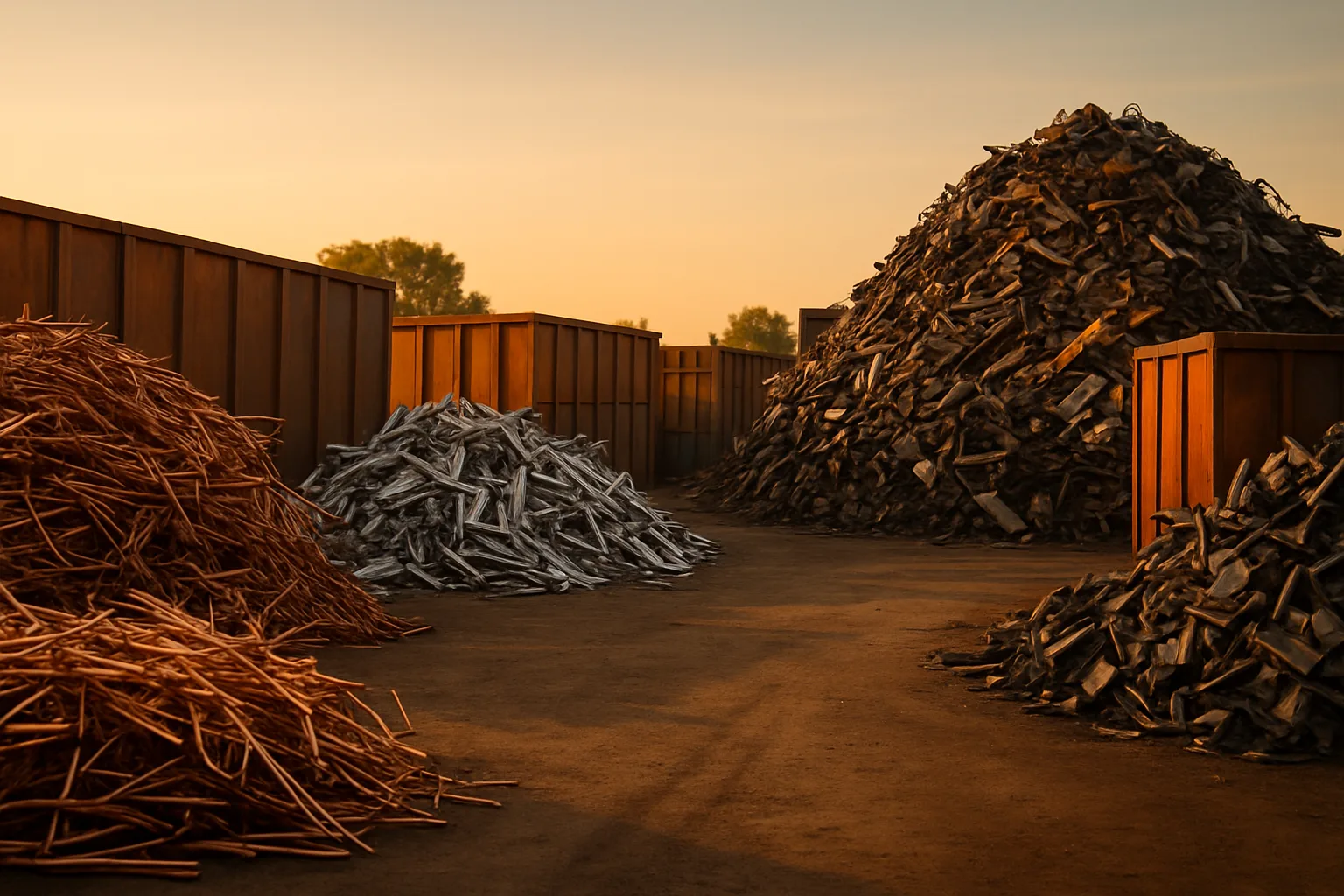
Why Sorting Your Scrap Before You Sell Changes Everything
Most sellers leave money on the table before they ever set foot in a yard. Not because they have bad scrap — because they show up with a mixed, unsorted load and accept whatever the buyer offers. In scrap metal recycling Regina, that's a common and costly mistake. Sorted loads give buyers confidence. Confidence drives better offers.
The difference between a sorted load and a mixed pile isn't just convenience for the buyer — it's real dollars. Contaminated copper gets downgraded. Mixed ferrous loads lose value. Catalytic converters thrown in with shredder material get missed entirely. When you do the sorting work upfront, you control the narrative at the scale.
This guide breaks down exactly how to sort, clean, and prepare your scrap for the best possible return — whether you're hauling a truck bed full of mixed metal or managing a steady stream of non-ferrous material from a shop or yard.
The Big Separation: Ferrous vs. Non-Ferrous
Start here. Every sort begins with one question: does a magnet stick to it? If yes, it's ferrous. If no, it's non-ferrous. This single step is the foundation of smart scrap prep, and it takes about thirty seconds with a cheap handheld magnet.
Ferrous metals include steel, iron, and most structural material. They're lower value per pound but often make up the bulk of a load by weight. Think old appliances, rebar, structural steel, vehicle frames, and sheet metal. These get priced by the ton.
Non-ferrous metals are where the real money lives. Copper, aluminum, brass, stainless steel, lead, and zinc all fall here. They're lighter but far more valuable per pound. Never mix non-ferrous into a ferrous pile — you'll be paid ferrous rates on metal worth significantly more.
- Ferrous examples: cast iron, car bodies, structural steel, rebar, appliances
- Non-ferrous examples: copper wire, aluminum sheet, brass fittings, stainless steel, catalytic converters
- Always separate: stainless steel looks like steel but is non-ferrous and commands a premium
How to Sort Non-Ferrous for Maximum Copper Scrap Prices in Regina
Once you've pulled the non-ferrous from the pile, the real sorting begins. Each metal type has its own grade, and grade determines price. Mixing grades is the same as mixing metals — you get paid for the lowest-value item in the batch. If you want the best copper scrap prices Regina buyers will pay, you need to understand the grades.
Copper grades to know:
- #1 Bare Bright Copper: Clean, uncoated, unalloyed copper wire at least 16 gauge. No insulation, no corrosion, no solder. Highest copper price.
- #1 Copper: Clean tubing and bus bars. No paint, insulation, or fittings. Slightly below bare bright.
- #2 Copper: Tubing with solder joints, light corrosion, or unclean bus bars. Still solid value.
- Insulated Copper Wire (ICW): Priced based on recovery percentage. Stripping it bumps it up a grade — but only worth doing on thick wire where the copper-to-insulation ratio is high.
Aluminum grades:
- Cast vs. sheet vs. extrusion — all priced differently
- Painted aluminum drops in value; clean aluminum extrusion pays more
- Aluminum cans are their own category — keep separate from structural aluminum
- Radiators: separate aluminum radiators from copper-brass radiators
Brass fittings, valves, and plumbing fixtures should be sorted from yellow brass, red brass, and bronze — all different prices. When in doubt, sort into separate containers and let the buyer grade it. You'll at least know what you're working with and can push back if the grade call seems off.
To check current Canadian scrap metal prices before you sort, it helps to know which grades are moving and where the spread sits between clean and contaminated material.
Catalytic Converters: Don't Bury Them in a Mixed Load
Catalytic converters are one of the highest-value items in a scrap load — and also one of the most undervalued when they're not handled separately. If you can sell catalytic converters online through a platform that identifies them properly, you'll almost always do better than tossing them into a general metals pile.
Why? Because cats contain platinum group metals (PGMs) — platinum, palladium, and rhodium. These aren't priced like scrap steel. They're priced based on assay, serial number, and current PGM spot prices. A converter buried in a ferrous load might get missed entirely or lumped into a generic "cat" price that doesn't reflect its actual PGM content.
Platforms like Canada's B2B scrap recycling marketplace, SMASH, use serial tracking and photo documentation to identify individual converters and get them in front of vetted buyers who know their actual value. That's a fundamentally different outcome than dropping them in a bin at a yard that processes everything by eyeball.
How to prepare cats for sale:
- Keep them separate — never in a mixed ferrous or non-ferrous load
- Don't cut or damage the housing (reduces value, raises red flags)
- Document serial numbers if visible — it helps with accurate identification
- Photograph each unit before sale — front, back, and serial if available
- Know if you have OEM or aftermarket — they price very differently
Physical Prep: What Actually Moves the Needle on Price
Sorting by type is step one. Physical prep is step two. Buyers — especially in a competitive market across best scrap metal prices Saskatchewan searches — aren't just buying metal. They're buying predictability. Clean, prepared loads cost them less to process, and they'll price that in.
Here's what prep actually means in practice:
- Strip insulation from high-gauge copper wire. On 4/0 or larger wire, stripping pays off. On thin, multi-strand communication wire, it usually doesn't — the copper yield is too low to justify the labor.
- Remove steel attachments from non-ferrous. Brass valves with iron nipples, aluminum ladders with steel hardware — the steel drags the price down if it's not removed.
- Cut oversized pieces. Some yards have length restrictions. Know the yard's specs before you haul. Oversized steel may be rejected or docked.
- Clean oil and debris off aluminum. Greasy aluminum gets downgraded. A quick wipe doesn't take long and changes the grade call.
- Separate stainless steel completely. It looks like steel, it sounds like steel — but stainless is non-ferrous and pays a premium. Don't let it disappear into a ferrous pile.
- Keep radiators intact. Don't crush radiators before you know the buyer's preference. Some buyers want them flat; others want them as-is. Crushing wrong can destroy value.
Shops and yards in Regina that run regular volumes of scrap know this workflow. If you're newer to it, even doing steps 1 and 5 consistently will separate your loads from the average walk-in.
Documentation and Photos: The Underrated Prep Step
You'd be surprised how much a photo can do for your scrap value. Documentation isn't just for large commercial loads — it matters for anyone who wants to sell scrap metal near me and not get a lowball because the buyer couldn't assess the material remotely.
When you photograph your load before sale, you create a baseline. You can dispute a grade downgrade. You can prove a weight if there's a discrepancy. And if you're selling through a platform rather than walking up to a scale, photos are how buyers bid with confidence — which means more competitive offers for you.
SMASH builds photo documentation and inventory tracking directly into the platform. That documentation follows the load through the transaction, creates a record, and gives both sides — seller and buyer — something to reference. For yards managing multiple loads across Regina and broader Saskatchewan, that paper trail is worth more than most people realize until something goes sideways.
For anyone managing higher volumes, read the latest Canadian scrap metal pricing guides to stay current on what documentation buyers expect and how market conditions affect what grades they'll accept.
Where to Sell Once You've Sorted: Getting Competitive Prices Across Saskatchewan
Sorting is the preparation. Selling smart is the payoff. Walking your sorted load into a single buyer and taking their first offer is still leaving money on the table — just less than before. The goal is competition. Competition is what actually reveals the market.
For scrap metal downtown Regina or across Saskatchewan, the traditional approach is one buyer, one phone call, one price. SMASH changes that. Vetted buyers bid against each other on your documented load. You see the bids. You choose the best one. That's how price discovery actually works.
There are no subscription fees. SMASH only wins when you win — the model is built around alignment, not monthly charges. For a seller who's already done the work of sorting, grading, and documenting their material, SMASH is where that preparation converts into real dollars.
Whether you're managing a few loads a month or running a full-scale yard operation, find the best Canadian scrap metal prices today and see what a prepared, documented load can actually command when buyers compete for it.
If you're in Regina and want to know what your sorted load is worth before it hits the scale, connecting with Regina scrap metal services gives you a starting point grounded in local market data.
The scrap market moves fast. Copper prices shift. PGM markets fluctuate. What your load is worth today may not be what it's worth next week. But one thing stays constant: a sorted, documented, prepared load always outperforms a mixed pile. Do the work upfront. Then let buyers compete for it.
Disclaimer: Scrap metal prices fluctuate based on commodity markets, regional demand, and material grade. Always verify current rates before selling.
Frequently Asked Questions
Q: Is it worth sorting scrap metal before going to a yard in Regina?
Yes — consistently. Sorted loads reduce processing time for the buyer, which translates directly into better grade calls and higher offers. Mixed loads often get priced at the lowest-value material in the batch. Even a basic separation of ferrous from non-ferrous makes a measurable difference on a typical load.
Q: What's the highest-value scrap metal I can bring to a Regina yard?
Bare bright copper, catalytic converters, and clean aluminum extrusion typically sit at the top of the value range. Catalytic converters in particular can vary dramatically based on the specific unit and current PGM spot prices — always identify and document them separately rather than lumping them with general scrap.
Q: Should I strip copper wire before selling?
It depends on the gauge and the copper recovery percentage. Heavy gauge wire (4/0 and larger) is generally worth stripping because the copper yield is high. Thin communications wire usually isn't — the labor outweighs the grade bump. When in doubt, bring both stripped and unstripped samples and ask the buyer what they're paying for each grade.
Q: How do I sell catalytic converters for the best price in Saskatchewan?
Keep converters separate from all other scrap, document serial numbers and take photos, and use a platform that identifies them individually rather than pricing them as a generic batch. Platforms like SMASH that use serial tracking and connect sellers with vetted buyers who specialize in PGM-bearing materials will almost always outperform a general yard price.
Q: What documentation do I need for scrap metal recycling in Regina?
Requirements vary by yard and load size, but most buyers will want a valid ID, and commercial sellers should have bills of lading or packing lists for larger loads. If you're selling catalytic converters or high-value non-ferrous, photo documentation and serial tracking protect you and improve the accuracy of the buyer's bid. Always ask the yard what they require before you haul.
Stay current on market moves and pricing trends — follow SMASH on LinkedIn for industry updates and scrap metal market insights across Canada.